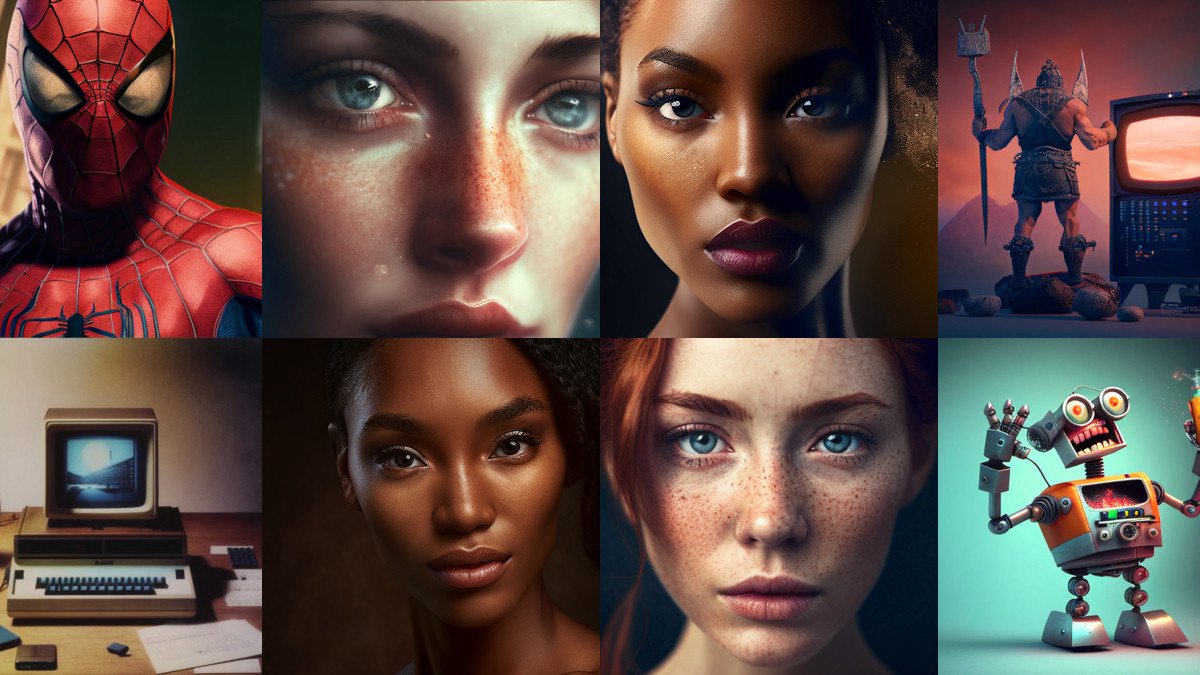
Summary Verdict: Which AI Image Generator Should You Actually Use?
This ranking is for creative professionals, marketers, and business owners who need high-quality visual content without hiring a full design team or photographer. If you’re tired of stock photos that look generic or design tools that require years of Adobe training, AI image generators have become legitimate production tools in 2026.
Quick verdict on the top 3:
Midjourney remains the gold standard for artistic quality and creative control, ideal for brands that need distinctive, publication-ready visuals. DALL-E 3 (via ChatGPT Plus) wins for speed and integration, perfect for content creators who need “good enough” images in seconds. Adobe Firefly dominates for commercial safety and workflow integration, essential for agencies and enterprises with legal compliance needs.
Critical disclaimer: No single AI image generator fits every creative need. A tool that produces stunning landscape art may fail at product mockups. One that excels at photorealism might struggle with brand consistency. This ranking evaluates design quality, but your specific use case—whether that’s social media graphics, print materials, or web design—will determine which tool actually delivers results for your business.
Why AI Image Generator Rankings Matter Now
The AI image generation space has exploded from experimental curiosity to essential business tool in less than three years. In 2026, there are hundreds of options claiming to be the “best AI image generator,” each with different strengths, limitations, and pricing structures. This abundance creates a genuine problem: businesses waste weeks testing tools that don’t match their actual needs, or worse, commit to expensive subscriptions based on impressive demo images that don’t translate to their real-world use cases.
Traditional feature-based reviews fail because they treat all image generation equally. A tool might excel at creating fantasy landscapes but produce unusable results for product photography. Another might generate stunning portraits but lack the consistency needed for brand materials across a campaign. The technical specifications—resolution, generation speed, model architecture—tell you nothing about whether the output will actually work for your Instagram ads, pitch decks, or website headers.
What businesses actually need is outcome-based evaluation: which tool produces the design quality you need, for your specific visual requirements, within your budget and technical comfort zone. A solo consultant creating LinkedIn post graphics has completely different needs than an e-commerce brand photographing products or a game studio designing character concepts. This ranking focuses on real creative output and practical business fit, not theoretical capabilities or feature checklists that look impressive but don’t translate to results you can actually use.
How We Ranked These AI Image Generators
Our ranking methodology prioritizes practical creative output over technical specifications. We evaluated each platform based on five criteria that determine whether a tool actually delivers value in real business contexts, not just impressive examples in promotional materials.
Design quality and aesthetic control measures how well the AI interprets creative direction and produces visually professional results. This includes composition, lighting, color accuracy, and the ability to match specific artistic styles. A tool that generates technically correct images but with amateurish composition or inconsistent aesthetic quality fails this test regardless of its other features.
Ease of adoption and learning curve evaluates how quickly someone can go from first prompt to usable output. Tools that require extensive prompt engineering knowledge, complex parameter tuning, or deep technical understanding create barriers that slow down actual content production. The best AI image generator for your business is one your team will actually use consistently, not one that sits unused because it demands expertise you don’t have.
Output consistency and reliability examines whether the tool produces predictable results across multiple generations. Businesses need to create coherent visual content across campaigns, not one-off lucky shots. A generator that produces one stunning image followed by three unusable ones wastes time and budget on regeneration costs.
Commercial viability and licensing clarity considers whether you can legally use the outputs for business purposes without copyright concerns. This includes training data transparency, commercial licensing terms, and protection against potential intellectual property issues. For agencies and enterprises, unclear licensing can create legal exposure that outweighs any creative benefits.
Cost-to-value ratio and scalability measures whether the pricing structure makes sense for your output volume and whether the tool can grow with your needs. A platform might offer incredible quality but become prohibitively expensive at scale, or provide unlimited generations that don’t matter if the quality isn’t there.
These criteria intentionally exclude technical metrics that don’t translate to business outcomes. We don’t rank based on parameter counts, training dataset size, or generation speed in milliseconds—we focus on whether the tool helps you create professional visual content that drives real business results.
Ranking Overview Table
| Rank | AI Image Generator | Best For | Key Strength | Main Limitation |
| #1 | Midjourney | Creative professionals and brands needing distinctive visuals | Consistently highest artistic quality with strong aesthetic coherence | Discord-only interface creates workflow friction |
| #2 | DALL-E 3 | Content creators needing fast, integrated image generation | Seamless ChatGPT integration for rapid iteration | Less artistic control than Midjourney for specific styles |
| #3 | Adobe Firefly | Agencies and enterprises requiring commercial safety | Commercially safe training data with Creative Cloud integration | Conservative outputs, less creative risk-taking |
| #4 | Stable Diffusion | Developers and tech-savvy creators wanting customization | Complete control through open-source architecture | Steep technical learning curve for non-developers |
| #5 | Leonardo AI | Game developers and character designers | Excellent consistency for characters and game assets | Narrower use case focus than general-purpose tools |
This table provides a quick reference for initial decision-making, but the detailed reviews below explain the nuanced differences that determine which tool actually fits your specific creative needs. The “best” tool varies dramatically based on your output requirements, technical comfort level, and business context. A marketing manager at an enterprise company has completely different constraints than a freelance designer or indie game developer.
#1: Midjourney — Best for Artistic Quality and Creative Control
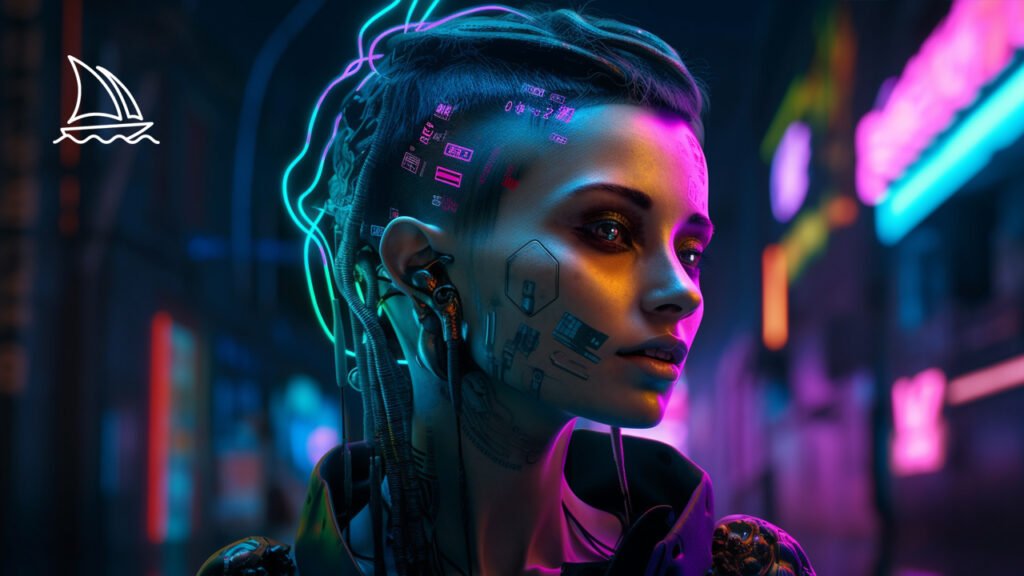
Midjourney ranks first because it consistently produces the highest quality artistic output with the strongest aesthetic coherence across diverse creative directions. When businesses need images that look professionally designed rather than obviously AI-generated, Midjourney delivers results that can compete with human-created work in many contexts. You can explore Midjourney at https://www.midjourney.com.
The platform excels at interpreting creative intent and translating abstract concepts into visually compelling images. Where other generators produce literally correct but aesthetically mediocre results, Midjourney demonstrates an understanding of composition, lighting, color harmony, and visual storytelling that elevates outputs from “usable” to “publication-ready.” This makes it ideal for brand marketing, editorial content, concept art, and any context where visual quality directly impacts professional credibility.
Midjourney’s strength in stylistic control allows creators to specify artistic approaches—from photorealistic product shots to painterly illustrations to geometric abstractions—with remarkable consistency. The tool doesn’t just follow instructions; it applies genuine aesthetic judgment to create images that feel intentionally designed rather than randomly generated. For businesses building brand identity through visual content, this consistency is invaluable for maintaining cohesive creative direction across campaigns.
The platform’s community-driven development through Discord, while sometimes inconvenient, has created sophisticated prompt engineering knowledge and shared techniques that accelerate results. Users can reference successful images, learn from community experiments, and iterate on proven approaches rather than starting from scratch with every project.
However, Midjourney’s Discord-only interface creates real workflow friction for teams accustomed to traditional design tools. There’s no web interface, no direct Creative Cloud integration, and collaboration happens through Discord channels rather than familiar project management systems. For solo creators this matters less, but for agencies managing client work or marketing teams with approval workflows, the Discord requirement adds unnecessary complexity.
The subscription model starts at $10 monthly for limited generations, with professional tiers reaching $60-120 monthly for higher volume and commercial licensing. This pricing makes sense for businesses that need dozens or hundreds of high-quality images monthly, but casual users may find DALL-E 3’s ChatGPT integration more cost-effective for occasional needs.
When another tool might be better: If you need instant generation integrated into your existing workflow without learning Discord, DALL-E 3 provides faster iteration. If commercial licensing clarity is your top priority, Adobe Firefly’s enterprise-safe approach offers more legal protection. If you require technical customization or want to avoid subscription costs entirely, Stable Diffusion’s open-source model provides more control despite the steeper learning curve.
#2: DALL-E 3 — Best for Speed and ChatGPT Integration
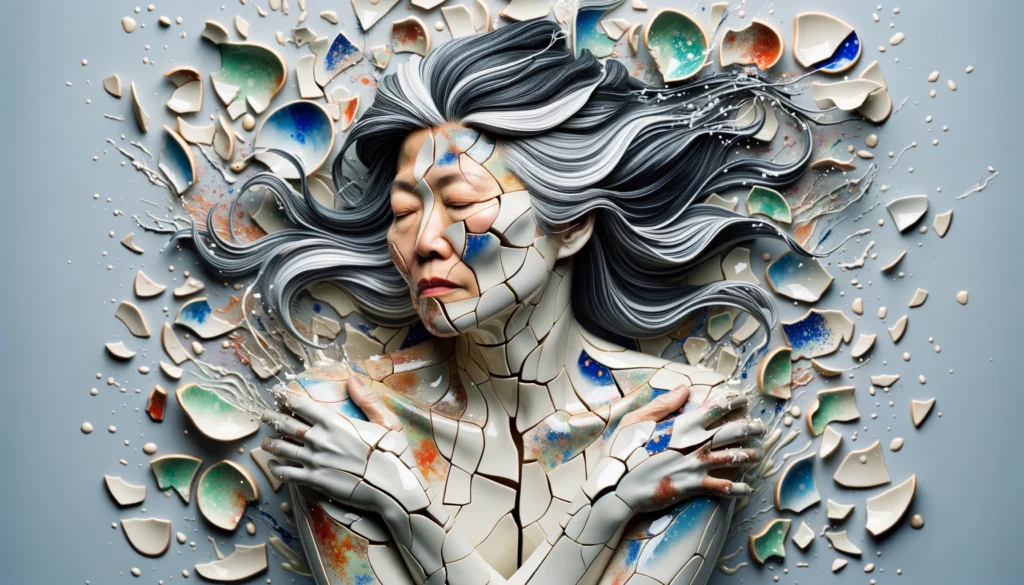
DALL-E 3 ranks second for its exceptional combination of quality, speed, and seamless integration with ChatGPT, making it the most accessible high-quality image generator for content creators who prioritize workflow efficiency over maximum artistic control. The ability to generate, refine, and iterate on images within a natural language conversation eliminates the friction that slows down other platforms. Access DALL-E 3 through ChatGPT Plus at https://openai.com/chatgpt.
The integration advantage cannot be overstated for practical business use. Content creators can describe what they need in conversational language, receive an image, request specific modifications in natural follow-up messages, and continue refining until the output meets requirements—all within the same ChatGPT interface they’re already using for writing, brainstorming, and research. This workflow integration means image generation becomes a natural extension of content creation rather than a separate tool requiring context-switching.
DALL-E 3’s understanding of natural language prompts has improved dramatically from earlier versions, reducing the prompt engineering expertise required to get good results. You can describe images the way you’d explain them to a human designer—including context, mood, purpose, and constraints—and the AI interprets intent rather than just keywords. For non-designers who need professional-looking visuals without learning complex prompting syntax, this accessibility is transformative.
The quality output sits in a sweet spot between Midjourney’s artistic excellence and the lower-tier generators. While Midjourney may produce more aesthetically refined results for brand-critical work, DALL-E 3 generates consistently professional images that work perfectly well for blog headers, social media posts, presentation decks, and other business content where “very good” matters more than “absolutely perfect.” The faster iteration cycle often compensates for slightly less artistic sophistication.
The main limitation compared to Midjourney is less granular artistic control. You can’t fine-tune specific parameters, reference previous community work, or apply the same level of stylistic precision that Midjourney’s advanced features enable. For use cases requiring exact brand aesthetic matching or highly specific artistic direction, this constraint becomes significant.
ChatGPT Plus subscription at $20 monthly includes DALL-E 3 access along with the full language model capabilities, making it extraordinarily cost-effective for users who already subscribe to ChatGPT for other work. The generation limits (currently around 50 images daily, though this fluctuates) suit most content creation needs without requiring separate image generation subscriptions.
When another tool might be better: If your visual content is core to brand differentiation and requires maximum aesthetic quality, Midjourney’s superior artistic output justifies the learning curve. If you need commercial legal protection for enterprise use, Adobe Firefly provides clearer licensing. If you’re generating hundreds of images weekly, the ChatGPT Plus limits may require supplementing with dedicated image generation tools.
#3: Adobe Firefly — Best for Commercial Safety and Workflow Integration

Adobe Firefly ranks third for businesses that prioritize commercial licensing clarity and Adobe Creative Cloud workflow integration over absolute creative flexibility. When legal compliance and established design tool compatibility matter more than cutting-edge artistic capabilities, Firefly provides enterprise-ready image generation with minimal risk. Adobe Firefly is available at https://www.adobe.com/products/firefly.html.
The platform’s core advantage is training exclusively on Adobe Stock images, openly licensed content, and public domain materials—creating defensible commercial usage rights without the copyright ambiguity that plagues other generators. For agencies working with risk-averse corporate clients, publishers concerned about intellectual property claims, or enterprises with strict legal review requirements, this training data transparency eliminates a major barrier to AI adoption. You can use Firefly outputs in client work, commercial products, and marketing materials without the legal uncertainty that comes from generators trained on scraped internet images.
Creative Cloud integration means Firefly works within Adobe’s existing design ecosystem rather than requiring separate workflows. Designers can generate images directly in Photoshop, apply Firefly-powered generative fill for specific image areas, and integrate AI-generated elements with traditional design work seamlessly. For creative teams already standardized on Adobe tools, this native integration preserves established workflows instead of forcing process changes.
The quality output has improved substantially since Firefly’s initial release, now producing professional-grade images suitable for most commercial applications. While the aesthetic tends toward safe, commercially conventional results rather than Midjourney’s more adventurous artistic interpretations, this conservative approach actually benefits many business contexts. Corporate marketing, product photography, and professional services content often require polished, professionally appropriate visuals rather than boundary-pushing artistic experimentation.
However, Firefly’s strength as an enterprise-safe tool comes with creative limitations. The training on commercially licensed content means less stylistic diversity and fewer avant-garde options compared to generators trained on broader internet imagery. Results tend toward technically proficient but aesthetically conventional outputs that won’t offend but also won’t stand out as particularly distinctive or creative.
The pricing integrates with Adobe Creative Cloud subscriptions, starting around $5 monthly for standalone Firefly access or included in higher-tier Creative Cloud plans. For businesses already paying for Adobe tools, this represents minimal incremental cost. For users without existing Adobe subscriptions, you’re essentially paying for both the image generator and the broader Creative Cloud ecosystem.When another tool might be better: If you’re a solo creator without Adobe Creative Cloud and don’t need enterprise legal protection, DALL-E 3 or Midjourney offer better value and often superior creative output. If you want maximum artistic quality for brand-defining visuals, Midjourney’s results consistently exceed Firefly’s more conservative aesthetic. If you’re comfortable with technical tools and want to avoid ongoing subscriptions, Stable Diffusion provides more control at lower long-term cost.
#4: Stable Diffusion — Best for Customization and Open-Source Control
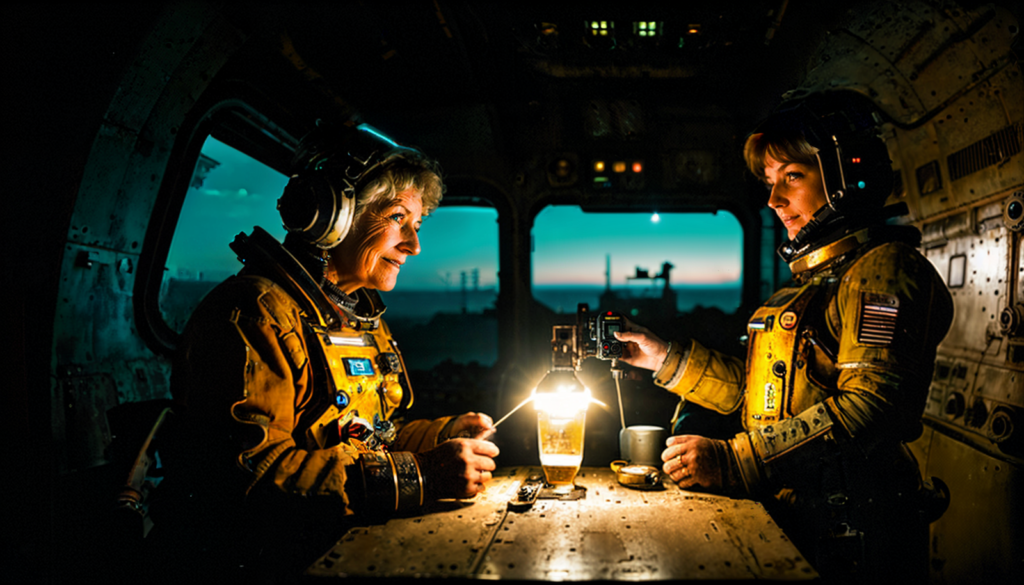
Stable Diffusion ranks fourth for developers, tech-savvy creators, and businesses that need complete control over their image generation infrastructure without ongoing subscription costs. When customization flexibility and ownership of the generation process matter more than ease of use, Stable Diffusion’s open-source architecture provides capabilities that closed commercial platforms cannot match. Learn more about Stable Diffusion at https://stability.ai.
The open-source nature means you can run Stable Diffusion locally on your own hardware, customize the underlying model for specific use cases, train on your own image datasets for brand-consistent outputs, and integrate generation capabilities directly into your own applications or workflows. For businesses with technical resources and specific requirements that off-the-shelf tools don’t address, this flexibility is transformative. You’re not limited by what the platform vendor decides to support—you can modify the tool itself to solve your exact problem.
The ability to fine-tune models on custom datasets creates possibilities for brand consistency that subscription tools cannot match. A company can train Stable Diffusion on their existing brand photography, product images, and approved visual styles to generate new content that automatically adheres to established brand guidelines. E-commerce companies can create product variants, marketing teams can generate campaign assets in exact brand aesthetic, and game studios can maintain visual consistency across thousands of generated game assets.
Cost structure for serious users becomes dramatically more favorable than subscription tools. While initial setup requires technical investment and potentially hardware costs for capable local generation, the long-term expense is minimal compared to monthly fees for commercial platforms. Businesses generating hundreds or thousands of images monthly can justify the upfront technical investment through ongoing savings.
The critical limitation is the steep learning curve and technical requirements. Setting up Stable Diffusion properly requires comfort with command-line interfaces, Python environments, model management, and troubleshooting technical issues. Most non-technical creators will find this barrier prohibitive, making other platforms more practical despite higher subscription costs. Even with improved user interfaces like Automatic1111 and ComfyUI, Stable Diffusion remains fundamentally a developer tool that happens to generate images rather than a designer tool with technical options.
Quality output depends heavily on which specific model version, LoRA fine-tuning, and parameter configurations you’re using. The flexibility that empowers advanced users creates complexity that overwhelms beginners. Out-of-the-box results from basic Stable Diffusion setups often lag behind Midjourney or DALL-E 3, requiring experimentation and expertise to achieve comparable quality.
When another tool might be better: If you lack technical expertise or dedicated development resources, DALL-E 3 or Midjourney deliver better results with far less complexity. If you need images immediately without setup time, any commercial platform provides faster time-to-value. If you’re a solo creator or small team without custom training data needs, the flexibility advantages don’t outweigh the learning curve compared to user-friendly alternatives.
#5: Leonardo AI — Best for Game Assets and Consistent Character Design
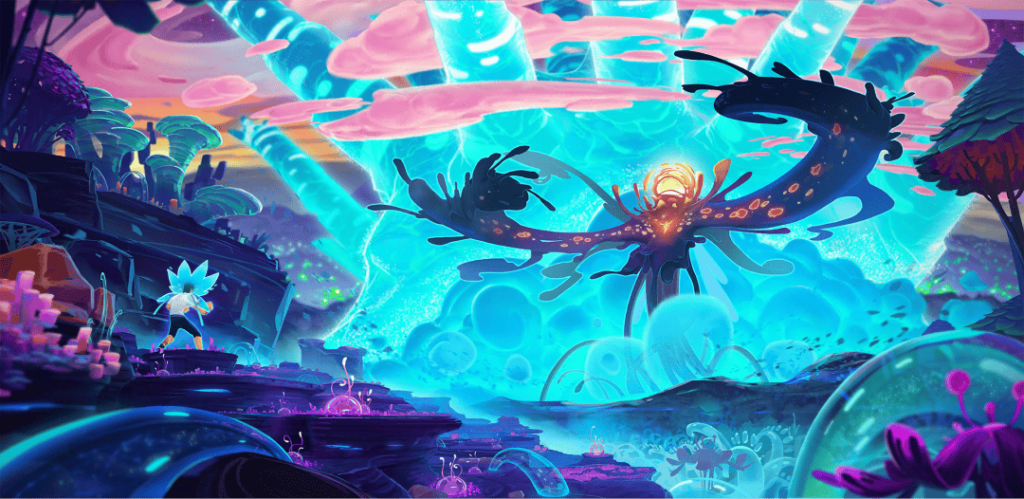
Leonardo AI ranks fifth for its specialized strength in generating consistent characters, game assets, and iterative design work where maintaining visual coherence across multiple images matters more than single-image perfection. When your use case requires creating multiple views of the same character, consistent art style across game levels, or iterative variations on a specific design concept, Leonardo’s focused capabilities excel beyond general-purpose tools. Explore Leonardo AI at https://leonardo.ai.
The platform’s core differentiation is sophisticated control over consistency and variation within specific visual parameters. Game developers can generate a character design, then create that same character in different poses, expressions, outfits, and contexts while maintaining recognizable visual identity. This consistency is technically possible but practically difficult with general-purpose generators like Midjourney or DALL-E 3, which excel at single impressive images but struggle with serialized content requiring exact style matching.
Leonardo’s interface is explicitly designed for iterative creative work rather than one-off generation. Features like canvas editing, element isolation, and style reference systems support professional game development and illustration workflows where you’re building complex scenes from multiple generated and edited components. For indie game developers creating character sprites, environment tiles, or UI elements, this workflow-focused design accelerates production compared to adapting general-purpose tools.
The quality output for the specific use cases Leonardo targets—game assets, character designs, fantasy and sci-fi illustration—competes well with top-tier generators. The platform understands genre conventions, maintains appropriate aesthetic consistency, and produces technically usable assets rather than just visually impressive but impractical concept art. For businesses actually building games, apps, or interactive content rather than creating marketing images, this practical orientation matters.
However, Leonardo’s specialization becomes a limitation for general business content creation. The tool is optimized for game developers, illustrators, and content creators working in specific aesthetic territories—primarily fantasy, sci-fi, character design, and stylized art. For businesses needing diverse content across photorealistic product shots, abstract conceptual imagery, and varied marketing materials, Leonardo’s focused capabilities don’t justify adding another platform to your toolkit alongside more versatile options.
Pricing starts free with limited generations, scaling to $12-48 monthly for professional tiers with higher generation limits and advanced features. For game development teams, this represents reasonable value when compared to traditional asset creation costs. For general business content creation, the cost isn’t compelling relative to more versatile alternatives like DALL-E 3 through ChatGPT Plus.
When another tool might be better: If you’re creating general marketing content, business presentations, or web design rather than game assets, Midjourney or DALL-E 3 provide broader capability and better value. If you need maximum image quality for brand-critical work regardless of use case, Midjourney produces superior artistic results. If you require commercial legal protection for enterprise use, Adobe Firefly offers clearer licensing despite less specialized game development features.
Use-Case Comparison: Which AI Image Generator Should You Choose?
Choosing the right AI image generator depends less on which tool has the most features and more on matching platform strengths to your specific creative workflow, output requirements, and resource constraints.
Solo creators and freelance designers producing diverse content across client projects typically get best results from either DALL-E 3 or Midjourney, depending on whether workflow integration or maximum quality matters more. DALL-E 3 through ChatGPT Plus at $20 monthly provides exceptional value when you’re already using ChatGPT for writing and ideation—the ability to generate images without leaving your primary workspace eliminates friction that slows down other platforms. The conversational iteration makes it easy to refine outputs without learning complex prompting syntax, and the quality suits most client work that doesn’t require absolute artistic perfection.
Midjourney becomes worth the additional complexity when your client work depends on visual differentiation and distinctive aesthetic quality. Freelance brand designers, editorial illustrators, and creators where image quality directly impacts client satisfaction should invest time learning Midjourney’s interface and prompting approaches. The Discord workflow inconvenience is offset by consistently superior artistic results that justify premium pricing for client deliverables.
Small marketing and content teams at startups or growing businesses need to balance image quality with production velocity and cross-functional accessibility. DALL-E 3 wins for teams where multiple people need to generate images occasionally rather than dedicated designers creating high volumes. A content marketer can create blog header images, a product manager can generate presentation visuals, and a founder can produce social media graphics—all using the same ChatGPT Plus subscription they access for other work, with minimal training required.
Adobe Firefly makes sense for small teams already standardized on Adobe Creative Cloud who need commercial licensing clarity for published content. If you’re paying for Photoshop and Illustrator anyway, Firefly’s integration provides image generation within existing workflows without requiring team members to learn separate platforms. The conservative aesthetic suits corporate communications, B2B marketing, and professional services content where visual polish matters more than creative distinctiveness.
Growth-stage businesses and agencies producing significant content volume need to evaluate total cost of ownership and workflow scalability. Teams generating dozens of images weekly should compare Midjourney’s $60 professional tier against ChatGPT Plus with occasional Midjourney access when maximum quality matters. The professional tier includes commercial licensing, higher generation limits, and priority processing that make it cost-effective for serious production use.
Agencies managing multiple client accounts benefit from Adobe Firefly’s legal clarity and Creative Cloud integration despite sometimes sacrificing creative edge. The ability to confidently license outputs for client commercial use without copyright concerns justifies the subscription cost compared to legal exposure from generators with ambiguous training data. For client work where getting sued would be catastrophically expensive, Firefly’s defensible licensing is worth the creative constraints.
Game studios and product designers with specialized consistency requirements should evaluate Leonardo AI for character and asset work, supplemented by Midjourney or DALL-E 3 for marketing materials and general content. The focused capabilities for iterative character design and game asset creation justify adding Leonardo despite its narrower scope, because generic tools struggle with the specific consistency demands of game development.
Technical teams and developers building products that incorporate image generation should seriously consider Stable Diffusion despite the learning curve. The one-time setup investment provides ongoing capability without recurring subscription costs, and the customization flexibility enables product features that commercial APIs cannot support. For SaaS products, mobile apps, or automated content systems that generate images programmatically, owning the generation infrastructure provides both cost savings and strategic control.
Common Mistakes When Choosing an AI Image Generator
Businesses consistently make three critical errors when evaluating AI image generators, leading to tool choices that look impressive in demos but fail in actual production use.
Choosing based on impressive example images rather than your specific use case represents the most common mistake. Every platform showcases their best outputs in marketing materials—stunning landscapes, perfect portraits, dramatic concept art. These cherry-picked examples don’t predict whether the tool will produce usable results for your specific needs, whether that’s product photography, technical diagrams, social media graphics, or website headers. A generator that creates gallery-worthy fantasy art may fail completely at generating the corporate headshot variations or product mockups your business actually needs. Evaluate tools using prompts that match your real requirements, not generic impressive demos.
The error compounds when businesses commit to annual subscriptions or enterprise contracts based on successful trial tests with idealized use cases. The tool that performed well generating aspirational lifestyle imagery for your demo may struggle with the mundane-but-necessary business graphics your team creates daily. Test extensively with realistic production scenarios before committing, including the less glamorous content types that represent the majority of your actual image generation needs.
Over-automation and unrealistic expectations about replacing human creative judgment leads to disappointment when AI-generated images don’t magically solve all visual content needs without human oversight. Even the best AI image generators in 2026 produce outputs that benefit from human art direction, selection, editing, and refinement. Businesses that expect to eliminate design roles entirely or generate finished publishable content with zero human review consistently report dissatisfaction, not because the tools failed but because expectations were unrealistic.
The successful approach treats AI image generators as leverage for human creativity rather than replacement. A designer can explore ten visual directions in the time previously required for one, a marketer can rapidly prototype campaign concepts for stakeholder feedback, a founder can create functional placeholder graphics while building the business case for dedicated design resources. The AI accelerates and augments creative work; it doesn’t eliminate the need for human aesthetic judgment, brand alignment, and strategic thinking about visual communication.
Ignoring team capability, workflow reality, and change management requirements causes tools to go unused regardless of their technical capabilities. A platform requiring Discord proficiency won’t get adopted by a marketing team comfortable with Google Workspace. A solution demanding prompt engineering expertise sits idle when team members lack training time. An open-source option requiring command-line comfort fails at organizations without technical resources.
The best AI image generator for your business is the one your team will actually use consistently, not the one with theoretically superior capabilities that require expertise you don’t have. Evaluate adoption barriers honestly: if your team struggles with new software generally, prioritize tools with minimal learning curves like DALL-E 3. If you have designers comfortable with Adobe tools, Firefly’s Creative Cloud integration reduces friction. If you lack dedicated technical resources, open-source solutions like Stable Diffusion will likely fail despite their flexibility advantages.
Successful implementation requires considering training time, workflow integration, collaboration tools, and cultural fit alongside pure image quality. A slightly less capable tool that matches your team’s existing skills and workflows will deliver better business results than a powerful platform that nobody uses because it demands capabilities your organization doesn’t possess.
FAQs: People Also Ask
What is the best AI image generator for professional design work?
Midjourney currently produces the highest consistent quality for professional design work where visual excellence directly impacts business outcomes. The artistic coherence, composition sophistication, and aesthetic control make it the top choice for brand marketing, editorial content, and client deliverables where image quality matters. However, “best” depends heavily on your specific design needs—Adobe Firefly may be better for commercial safety in enterprise contexts, DALL-E 3 for speed and workflow integration, or Stable Diffusion for technical customization. Professional design work spans too many use cases to declare one universal winner.
Are free AI image generators enough for business use?
Free tiers of AI image generators can work for occasional casual use but rarely provide sufficient capability for serious business content production. Free options typically limit generation quantity, resolution quality, commercial licensing rights, or access to advanced features that matter for professional results. A business producing regular visual content will quickly exceed free tier limits and need either paid subscriptions or time-consuming tool-switching between multiple free options. The $10-20 monthly investment in ChatGPT Plus or Midjourney basic tier pays for itself immediately for any business creating more than a few images weekly through time savings alone.
Can AI image generators replace human designers and photographers?
AI image generators augment but don’t replace human creative professionals for most business applications in 2026. The technology excels at rapid concept generation, variation exploration, and producing functional content for contexts where “good enough” quality matters more than artistic perfection. However, human designers remain essential for brand strategy, aesthetic judgment, complex compositions requiring precise control, client relationship management, and creative direction that AI cannot replicate. The realistic expectation is increased productivity for existing creative teams rather than eliminating creative roles entirely. A designer using AI tools can accomplish significantly more work, not be replaced by non-designers using AI tools.
How fast can businesses see results from implementing AI image generation?
Immediate results are possible for straightforward use cases like blog post headers, social media graphics, or presentation visuals—you can generate usable images within minutes of subscribing to platforms like DALL-E 3 or Midjourney. More sophisticated applications requiring brand consistency, specific aesthetic matching, or integration with existing design workflows may need weeks of experimentation to dial in effective prompting approaches and establish quality standards. The learning curve varies dramatically based on use case complexity and team technical comfort. Simple content replacement happens immediately; strategic creative workflow transformation requires planned implementation over multiple months.
Is AI image generation worth the investment for small businesses?
AI image generation delivers exceptional value for small businesses with limited design budgets who previously relied on expensive stock photography, freelance designers for simple graphics, or founders creating amateur visuals themselves. A $20 monthly ChatGPT Plus subscription that includes DALL-E 3 access costs less than a single stock photo license or hourly designer rate, while providing unlimited generation capability for routine content needs. The ROI becomes compelling when you calculate time savings and professional quality improvement versus previous alternatives. Small businesses should not expect AI tools to replace all design needs, but the cost-effectiveness for routine visual content is undeniable.
Next Steps
If you’re still deciding which AI image generator fits your business needs, explore our comparison resources that evaluate platforms based on specific use cases rather than generic feature lists.
For businesses trying to choose between multiple AI tools across different functions—not just image generation but writing, automation, analytics, and more—our Compare AI section provides side-by-side evaluations that help you build an integrated AI toolkit rather than accumulating random subscriptions that don’t work together.
If you’re interested in how AI image generation fits into broader creative workflow optimization, our AI Efficiency resources examine practical implementation strategies for teams adopting AI tools without disrupting existing processes or requiring extensive retraining.
For businesses wondering whether AI investments actually drive measurable business outcomes, our AI Revenue Boost case studies show real examples of companies using AI tools to accelerate growth, reduce costs, or create new capabilities that translate to revenue impact.
Solo founders and independent creators balancing multiple responsibilities should explore Solo DX guidance on using AI to accomplish work that previously required hiring specialized help, with realistic expectations about what you can achieve versus what still requires human experts.
Our AI Workflows section provides step-by-step implementation guides for integrating AI image generation into actual content production processes, marketing campaigns, and design systems—moving beyond individual tool capabilities to systematic approaches that deliver consistent business results.
Finally, if you want to compare AI tools beyond image generation—including writing, automation, marketing, and productivity—AI Plaza provides structured, use-case-based comparisons to help you build a practical AI toolkit for your business.
Final Summary
This ranking evaluates AI image generators based on design quality, practical business fit, and real creative output rather than technical specifications or feature checklists. Midjourney leads for artistic excellence and aesthetic control. DALL-E 3 wins for workflow integration and accessible quality. Adobe Firefly dominates commercial safety for enterprise use. Stable Diffusion provides customization for technical teams. Leonardo AI specializes in game assets and character consistency.
The critical insight: fit matters more than features. The best AI image generator for your business depends on your specific visual content needs, team capabilities, workflow requirements, and resource constraints. A tool that excels at fantasy landscapes may fail at product photography. A platform perfect for game development may waste money for general marketing content. A sophisticated system requiring technical expertise delivers no value if your team can’t use it.
Successful implementation requires matching platform strengths to your actual use cases, setting realistic expectations about AI as creative leverage rather than replacement, and evaluating total workflow impact beyond just image quality. The businesses seeing real value from AI image generation in 2026 are those that thoughtfully integrate appropriate tools into existing creative processes rather than expecting the technology to magically solve all visual content challenges without human judgment and strategic direction.
Start with the platform that matches your immediate needs and technical comfort level, experiment systematically with realistic production scenarios, and expand your toolkit strategically as you identify genuine capability gaps. The best AI image generator is ultimately the one that makes your team more effective at creating visual content that drives real business results.
Leave a Reply