
Introduction
If you’ve grown your team from just yourself to five or ten people, you’ve probably noticed something unsettling: the chaos doesn’t decrease—it multiplies. What once took you fifteen minutes as a solo founder now requires three Slack threads, two approval rounds, and a design review that somehow produces three different brand interpretations. You’re not alone in this struggle, and 2026 has made it painfully clear that growing teams need more than talent—they need systems.
The challenge isn’t that your team lacks skill. It’s that visual knowledge lives in your head, design preferences exist as vague “you know what I mean” statements, and every new marketing campaign becomes a referendum on brand consistency. When you were solo, you could maintain quality through sheer personal involvement. Now, with multiple people creating graphics, presentations, and marketing materials, you’re drowning in revisions and off-brand content.
This is where Ideogram 3.0 enters as the best AI for image generation that actually understands team operations. Unlike traditional design tools that assume everyone shares the same aesthetic vision, Ideogram 3.0 helps small teams systemize their visual branding, build repeatable design workflows, and create consistent output without requiring a full-time creative director. It’s not about replacing designers—it’s about giving your growing team the structured visual systems they desperately need to operate smoothly.
What is Solo DX?
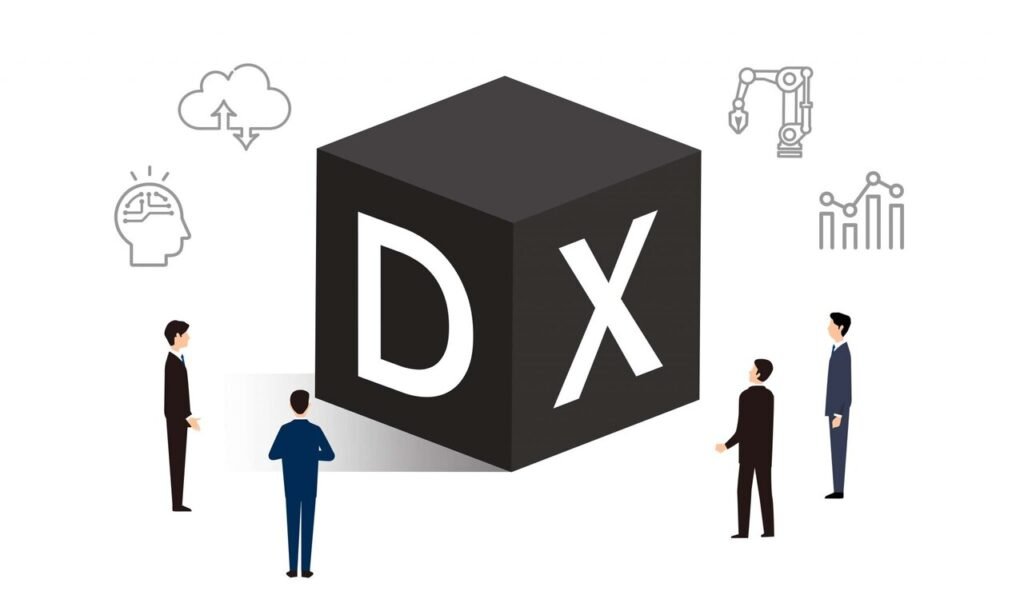
Solo DX represents the critical transition phase that hits small business founders right after they’ve hired their first few team members. It’s the moment when you realize that the scrappy, improvisational approach that worked when you were solo now creates bottlenecks, inconsistencies, and operational chaos. Digital transformation at this scale isn’t about enterprise software or massive budgets—it’s about implementing lightweight systems that prevent your five-person team from feeling like fifteen confused individuals.
The distinction matters because Solo DX sits between two other AI categories. AI Efficiency focuses on personal productivity—helping individual founders write faster, research better, or automate their own tasks. AI Revenue Boost targets growth tactics like conversion optimization, sales automation, and customer acquisition. Solo DX addresses the messy middle: you’ve grown beyond solo work, but you’re not ready for complex enterprise systems. You need structure without bureaucracy.

cz that just landed their fifth client. Suddenly, the founder realizes that each team member interprets the client’s “modern but approachable” brand differently. One designer uses bold sans-serifs and neon accents. Another gravitates toward pastels and rounded shapes. The founder spends hours in revision cycles, trying to verbally explain a visual language that should be documented, systematized, and accessible to everyone. This is the core Solo DX problem: operational knowledge that exists only in the founder’s mind, creating dependency and inconsistency.
What separates Solo DX from general team management is the founder-led aspect. You don’t have an operations manager, a brand director, or a documentation specialist. You’re building systems while simultaneously running the business, serving clients, and managing people. The AI design tools for business teams that support Solo DX must therefore be intuitive enough for non-technical founders yet powerful enough to create genuine operational consistency.
A successful Solo DX implementation using Ideogram AI for marketing content might look like this: the founder spends one afternoon creating a visual brand system—documenting color palettes, typography preferences, image styles, and composition rules. From that point forward, team members can generate on-brand graphics for social media, client presentations, and website updates without constant founder oversight. The system, not the founder’s availability, ensures consistency.
Why AI is Key for Mini-Team Systemization

Small teams without documented Standard Operating Procedures suffer from a specific type of operational chaos that’s hard to see from the outside but devastating from within. Unlike large companies where role confusion means emailing the wrong department, in a five-person team it means the founder becomes the bottleneck for every decision, the quality of deliverables depends entirely on who’s working that day, and institutional knowledge evaporates the moment someone takes vacation.
Problem 1: Knowledge Lives Only in the Founder’s Head
When you’re managing a growing team, the most valuable asset isn’t your time—it’s your accumulated knowledge about how things should be done. You know that client presentations should always include a mood board on slide three. You understand that Instagram graphics need 20% more contrast than website images because of mobile viewing conditions. You’ve learned through trial and error that certain color combinations test better with your target audience. But none of this knowledge is documented, which means every team member either has to interrupt you constantly (“Should this be more blue or more teal?”) or make their best guess and hope for approval.
AI-powered visual branding tools solve this by transforming your implicit knowledge into explicit, reusable systems. Instead of explaining your aesthetic preferences fifteen times, you document them once using AI-generated style guides, reference libraries, and visual templates. Your team accesses this knowledge directly through the tool, reducing dependency on your constant availability.
Problem 2: New Hires Slow Down Operations

Every new team member represents a potential productivity boost—but first comes the productivity crater. Training someone on your visual standards traditionally means shadowing, feedback cycles, and weeks of subpar output while they learn your preferences. In a small team, you can’t afford dedicated training time, so new hires learn reactively: create something, get it rejected, try again. This is exhausting for everyone and expensive in terms of wasted effort.
Automated graphic design workflow systems change this dynamic entirely. When a new designer joins your team, they don’t start from zero. They begin with access to your complete visual library: approved color palettes, brand-compliant templates, successful past projects, and AI-generated variations that demonstrate your quality standards. Their first outputs aren’t wild guesses—they’re informed by the system you’ve already built. Training time drops from weeks to days because the AI tools encode your standards directly into the workflow.
Problem 3: Quality Varies Across Team Members

Perhaps the most frustrating aspect of small team operations is inconsistent output quality. Your most experienced team member produces gorgeous, on-brand work. Your newest hire creates adequate but generic designs. Everyone in between lands somewhere on that spectrum. The result? Clients receive inconsistent quality depending on who handled their project. Your brand identity becomes mushy because five people interpret “professional yet approachable” in five different ways.
AI doesn’t eliminate individual skill differences, but it raises the floor dramatically. When your entire team uses Ideogram 3.0 with shared brand parameters, style references, and quality benchmarks built into the system, even junior team members produce work that meets your minimum standards. The AI isn’t doing the creative thinking—it’s enforcing the visual grammar you’ve established, the way a spell-checker doesn’t write your sentences but ensures they don’t contain obvious errors.
This systemization also protects your business from expertise concentration. If your best designer quits, you don’t lose all institutional knowledge about what “good” looks like. The AI-powered visual branding tools have captured and codified that expertise, making it accessible to whoever takes over the role.
The deeper insight here is that small teams fail not from lack of talent but from lack of systems. Your people are capable—they just need structured guidance about what “right” looks like in your specific context. AI for team operations provides that structure without requiring you to hire a full-time operations manager or brand director.
How Ideogram 3.0 Enables Solo DX
Brand Memory System: Creating Visual Consistency Across Projects

Ideogram 3.0’s most powerful Solo DX feature is its ability to learn and remember your brand identity across all projects. Unlike traditional design tools where every new project starts from a blank canvas, Ideogram maintains a persistent understanding of your visual language—color palettes, typography preferences, composition styles, and even subtle aesthetic choices like whether your brand uses high contrast or muted tones.
Here’s how it works in practice: You begin by feeding Ideogram 3.0 examples of your approved brand materials—your best social media graphics, successful client presentations, effective marketing assets. The AI analyzes these examples and extracts the underlying visual patterns: “This brand uses sans-serif headlines with serif body text, favors asymmetric layouts with bold color blocks, and maintains 30% white space in compositions.” From that analysis, the system creates a reusable brand profile.

The business benefit is immediate and substantial. When any team member creates new visual content—whether it’s an Instagram post, a client proposal, or a website header—they’re working within your established brand parameters from the start. The AI doesn’t guess what “on-brand” means; it knows. A five-person marketing team that previously needed three revision rounds per graphic can now achieve brand consistency on the first draft because the system enforces your visual standards automatically.
Real-world example: A boutique consulting firm with seven employees used Ideogram 3.0 to document their “executive minimalist” brand aesthetic. Within two weeks, their junior marketing coordinator was producing client pitch decks that matched the quality of their founder’s personal work—something that had previously taken six months of mentorship to achieve. As their operations lead noted, “We created our entire visual brand system in one afternoon. Now our team can’t create off-brand content even if they try.”
Template Intelligence: Automating Repetitive Design Workflows
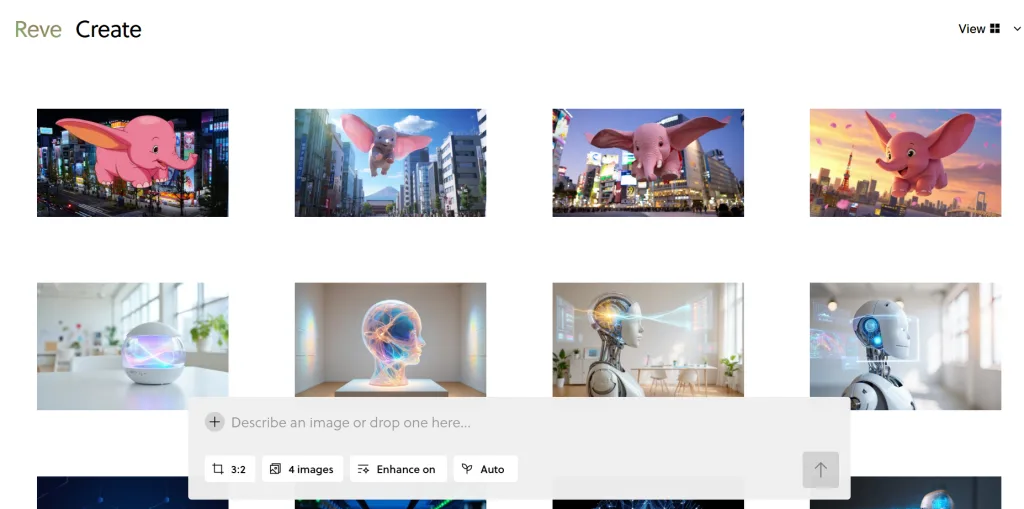
Most small teams waste hours recreating the same types of visual content from scratch: weekly social media posts, monthly client reports, event announcements, product update graphics. Every instance requires someone to open a design tool, set up the layout, adjust the formatting, and manually ensure brand consistency. This repetitive work consumes creative energy that should be spent on strategic thinking.
Ideogram 3.0’s template intelligence solves this through smart, adaptable templates that go far beyond static design files. You create a master template once—say, your standard client case study format—and the AI understands not just the visual layout but the logical structure. When a team member needs to create a new case study, they input the client name, project details, and key metrics. Ideogram automatically generates a branded design that adapts to the specific content: extending layouts for longer text, adjusting image positions based on aspect ratios, maintaining visual hierarchy regardless of content volume.
The business impact: A digital marketing agency reduced their client reporting time from four hours per client to thirty minutes. Their account managers, who had no design training, could generate professional monthly reports by simply entering performance data. The AI handled all visual formatting, brand compliance, and layout optimization. What previously required designer availability now happened on-demand, whenever the account manager had time.
Another example: An e-commerce brand with eight team members systemized their product launch workflow using Ideogram templates. Every new product launch required fourteen different graphics: hero images, social media announcements, email headers, and website banners. Pre-Ideogram, their designer needed two full days per launch. Post-implementation, any team member could trigger the entire suite in forty-five minutes by uploading product photos and key details. The designer shifted from production work to creative strategy—exactly what Solo DX should accomplish.
Prompt Library: Democratizing Design Quality Across Skill Levels
One of the biggest challenges in small team operations is the skill gap between your most experienced members and your newest hires. Traditional design tools amplify this gap—experienced users produce sophisticated work while beginners struggle with basic concepts. Ideogram 3.0’s prompt library inverts this dynamic by capturing expert knowledge and making it accessible to everyone.
The system works like this: When your senior designer creates excellent work, they can save not just the final output but the prompt structure that generated it. These prompts become reusable recipes that encode design expertise. Instead of telling a junior team member “create something modern and energetic,” you share a prompt like “vibrant gradient background, bold sans-serif typography, dynamic diagonal composition, high contrast” that reliably produces on-brand results.
Over time, your organization builds a library of proven prompts for different use cases: “professional LinkedIn headers,” “eye-catching Instagram stories,” “trustworthy client testimonial graphics,” “urgency-driven sale announcements.” New team members don’t need to understand design theory—they need to select the appropriate prompt for their context and customize the details.
Business benefit: A SaaS company with six marketing team members reduced their design revision cycles from an average of 3.2 rounds to 1.1 rounds within their first month using shared prompt libraries. The difference wasn’t that their team suddenly became better designers—it was that they stopped starting from scratch every time. As their marketing director explained, “Our prompt library is basically our design system in AI form. Everyone speaks the same visual language now.”
Cross-Platform Consistency: Maintaining Brand Identity Everywhere

Small teams typically create content for multiple channels—social media, website, email, presentations, print materials—and each platform has different technical requirements. Instagram needs square images; LinkedIn prefers horizontal formats; presentations demand 16:9 ratios; email headers have strict height limitations. Managing these variations traditionally meant either creating everything multiple times or compromising quality by forcing inappropriate formats.
Ideogram 3.0 handles cross-platform adaptation intelligently. You create your core visual concept once, and the AI automatically generates platform-specific versions that maintain brand consistency while respecting each channel’s technical constraints. A single hero image becomes an Instagram post, a LinkedIn banner, an email header, and a presentation slide—each optimized for its context but clearly part of the same campaign.
The operational efficiency this creates is remarkable. A product launch that previously required your designer to create twelve different assets in four different aspect ratios now happens in one workflow. A team member uploads the base creative, selects which platforms need versions, and receives a complete asset package in minutes. No more “can you resize this for Twitter?” requests. No more quality loss from stretching or cropping existing images. The AI understands how to adapt compositions for different formats while preserving visual impact.
Practical example: A B2B consultancy preparing for a conference needed materials across seven different formats—booth graphics, handouts, presentation slides, social announcements, email invitations, website banners, and name badges. Their founder spent one hour designing the core visual theme in Ideogram 3.0, then generated all seven format variations automatically. What would have taken their part-time designer three days happened in an afternoon, with better cross-platform consistency than their previous manual approach.
Ready to systemize your visual operations? Try Ideogram 3.0 ? https://ideogram.ai/
Use Cases by Team Role
Founder Juggling Three Departments: From Bottleneck to System Builder
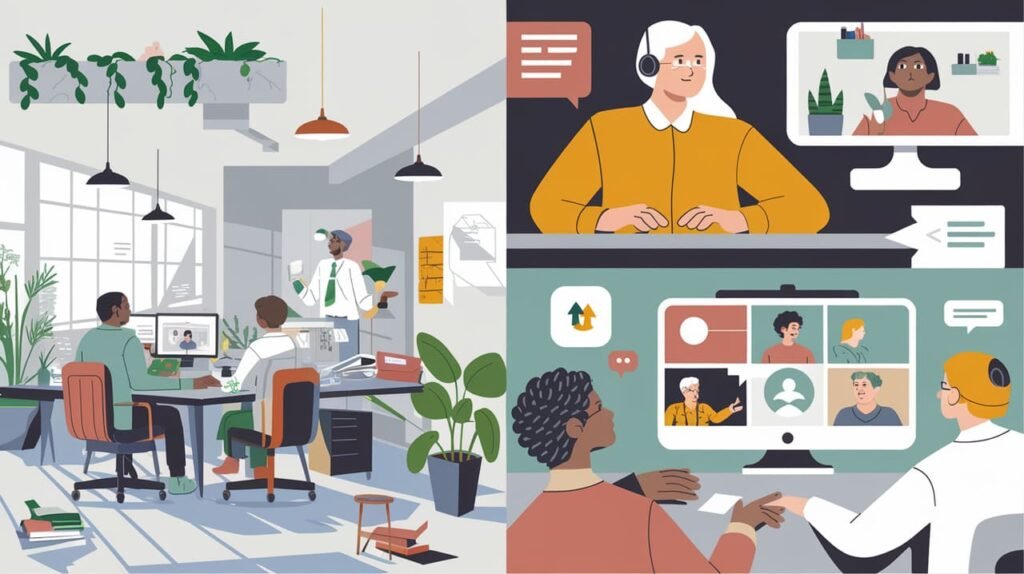
Meet Sarah, founder of a sustainable packaging startup with nine employees across design, sales, and operations. Six months ago, she personally reviewed every piece of visual content before it went public—pitch decks, product photography, trade show materials, social media posts. Her team couldn’t move forward without her approval because brand consistency literally depended on her eyeballs.
Old workflow: Design team creates mockup ? Slack Sarah for review ? wait (she’s in a client meeting) ? feedback arrives eight hours later ? revisions ? second review ? more waiting ? final approval. Average time per graphic: two days. Sarah’s time spent reviewing visuals: twelve hours weekly. Founder stress level: approaching burnout.
AI-powered version using Ideogram 3.0: Sarah spent one Saturday afternoon creating her brand system in Ideogram—uploading her best past work, defining her color theory (earthy but vibrant), establishing her composition preferences (organic shapes, generous white space, nature-inspired imagery), and documenting her typography standards (handwritten headlines for warmth, clean sans-serif for credibility). She then created template workflows for the team’s five most common design needs: product launch graphics, trade show materials, investor presentations, social content, and client proposals.
Now, her team generates on-brand visuals without waiting for her input. They select the appropriate template, input their specific content, and Ideogram produces outputs that already reflect Sarah’s aesthetic judgment. She reviews finished work for strategic alignment, not basic brand compliance. Time per graphic: same day. Sarah’s weekly review time: three hours. Her stress level: manageable, with mental space for actual strategy.
As Sarah puts it: “Ideogram didn’t make me less involved in our brand—it let me involve myself strategically instead of tactically. I’m not checking if someone used the right shade of green anymore. I’m thinking about whether our visual direction supports our market positioning.”
Trainer Documenting Internal Knowledge: From Tribal Wisdom to Institutional System
Marcus trains new employees for a regional real estate firm with fifteen agents. His challenge was capturing and transferring the visual knowledge that separated top-performing agents from struggling newcomers—not sales techniques, but the visual presentation skills that build client trust. Top agents instinctively knew how to present property listings, create compelling market analyses, and design neighborhood guides that resonated with buyers. New agents produced clunky, generic materials that screamed “rookie.”
Old workflow: Marcus shadows top agents ? takes notes on their design choices ? creates written guidelines (“use warm lighting in property photos,” “include neighborhood walkability scores”) ? new agents read guidelines ? still produce mediocre materials because written instructions don’t translate to visual execution ? Marcus provides individual coaching ? slow improvement over six months ? expensive knowledge transfer bottleneck.
AI-powered version: Marcus had top agents create their best property marketing materials directly in Ideogram 3.0, documenting not just final outputs but the prompts and workflows they used. “Luxury condo presentations” became a saved workflow that any new agent could replicate—same composition style, same data visualization approach, same emotional tone through imagery selection. “First-time homebuyer guides” became another reusable system encoding years of expertise about which visuals build confidence versus which create anxiety.
The knowledge transfer acceleration is profound. New agents now learn in weeks what previously took months because they’re not reading abstract guidelines—they’re using the actual systems that top performers created. They see immediate results (professional-quality materials from day one), which builds confidence and motivation. Marcus shifted from one-on-one coaching to system maintenance—updating workflows as market conditions change, adding new templates as the firm expands services, refining prompts based on performance data.
His perspective: “I used to lose sleep knowing that our best agents’ expertise lived only in their heads. If they left, that knowledge walked out the door. Now it’s captured in our Ideogram system. Our institutional knowledge actually accumulates instead of resetting with every hire. That’s the difference between a job and a profession.”
Common Pitfalls & How to Avoid Them

Pitfall 1: Using Too Many Disconnected Tools
The most common Solo DX mistake is treating AI adoption like a shopping spree—adding Ideogram for images, ChatGPT for copywriting, Canva for presentations, Notion for documentation, and five other tools that each solve specific problems but don’t talk to each other. Your team ends up with eight logins, conflicting brand assets across platforms, and no single source of truth about what “correct” looks like.
Solution: Build your AI stack around your central workflow, not around individual features. If visual content is your primary operational challenge, choose Ideogram 3.0 as your core system and integrate other tools around it rather than creating a disconnected ecosystem. Fewer tools used deeply beats many tools used shallowly. Establish one platform as your brand truth—where templates live, where standards are documented, where team members go first when they need to create visual content.
Pitfall 2: Delegating Without Documentation
Some founders treat AI tools as a delegation escape hatch—”Just use Ideogram to create the graphics, figure it out yourself”—without actually documenting their expectations, brand standards, or quality benchmarks. The AI can only work with the guidance you provide. If you haven’t defined what “professional” means in your context, the tool will generate generic professional-looking content that doesn’t reflect your specific brand identity.
Solution: Invest the upfront time to document your visual standards properly. Spend one focused afternoon creating your brand profile in Ideogram—your color theory, typography preferences, composition styles, imagery guidelines. This isn’t wasted time; it’s leverage. Every hour you spend documenting your standards saves your team dozens of hours in revision cycles and confusion. Think of it as creating an instruction manual that your AI tools can read and execute, freeing you from having to verbally explain the same preferences repeatedly.
FAQs

What is Solo DX?
Solo DX refers to digital transformation at the small team scale—specifically, the systems and workflows that founders need when they’ve grown beyond solo operations but aren’t ready for enterprise-level complexity. It addresses the chaotic middle phase where you have five to fifteen team members and need operational consistency without hiring operations specialists. Solo DX focuses on lightweight systemization: documenting workflows, creating repeatable processes, and ensuring quality doesn’t depend entirely on the founder’s personal involvement. For visual operations, Solo DX means building brand systems that let your entire team create consistent, professional content without requiring constant founder oversight.
How can AI write my SOPs?
AI doesn’t exactly “write” your Standard Operating Procedures—it helps you externalize and structure the knowledge that currently exists only in your head. With Ideogram 3.0, you demonstrate what “right” looks like by showing examples of your best work, and the AI extracts the underlying patterns, preferences, and standards. These become reusable systems—templates, workflows, and brand parameters—that your team can follow without needing to ask you for guidance every time. Think of it less as AI writing instructions and more as AI observing your expertise and making it accessible to others. You’re still the source of knowledge; the AI just helps you package it in a form that scales beyond your personal availability.
Is Ideogram 3.0 hard to set up?
Setup difficulty for Ideogram 3.0 depends less on technical complexity and more on organizational clarity. The software interface is straightforward—creating templates, saving prompts, and generating images requires no coding or design expertise. The harder part is the thinking work: defining what your brand actually is, identifying which visual workflows need systemization, and documenting your standards clearly enough for AI to replicate them. Most small teams can complete initial setup in one afternoon—uploading brand examples, creating core templates, establishing color palettes and typography preferences. The ongoing effort is minimal: refining templates based on team feedback, adding new workflows as needs emerge, updating brand parameters as your identity evolves. Think of it like setting up a filing system—the initial organization takes focused time, but maintaining it afterward is straightforward and saves you exponentially more time than it costs.
Conclusion

Small team operations fail not because founders lack ambition or team members lack talent, but because knowledge stays trapped in individual minds instead of living in accessible systems. When your visual brand exists only in your aesthetic judgment rather than in documented workflows, every team member becomes dependent on your availability, every new hire requires months of training, and quality becomes a dice roll based on who’s working that day. This is the core challenge that Solo DX addresses—and it’s why the best AI for image generation isn’t just about creating pretty pictures, but about systemizing the knowledge that makes those pictures consistently on-brand.
Ideogram 3.0 succeeds as a Solo DX tool precisely because it understands this system-building imperative. It doesn’t just generate images; it captures and replicates your visual standards across your entire team. It doesn’t just offer templates; it encodes your expertise into reusable workflows that work whether you’re personally available or not. The result is operational transformation that happens gradually, without requiring you to pause business operations for a massive implementation project.
The path forward isn’t adopting AI for its own sake—it’s recognizing that your growing team needs structure more than they need more hours from you. Start with your most repetitive visual workflows: those weekly social posts, monthly client reports, or standard presentation decks that consume hours but don’t require strategic thinking. Build those systems first in Ideogram 3.0. Let your team experience the relief of creating good work without constant oversight. Then expand gradually to more complex workflows as your confidence grows.
Solo DX isn’t just about saving time—it’s about creating a business that works without burning you out, a brand that maintains consistency without your constant vigilance, and a team that can execute your vision without depending on your perpetual availability. That’s not a luxury for growing businesses in 2026. It’s survival.
Next Steps
Ready to continue building operational systems for your growing team? Explore these resources:
Compare AI – Evaluate different AI tools for your specific business needs and find the right fit for your team size and industry
AI Efficiency – Discover how to optimize your personal productivity with AI before scaling to team-wide systems
AI Revenue Boost – Learn how AI can drive growth once your operations are systemized and ready to scale
AI Workflows – Access ready-to-implement workflow templates across marketing, sales, operations, and creative functions
Each category addresses different stages of your business evolution. Start where your biggest pain point lives today, then expand as your needs and capabilities grow.
Leave a Reply