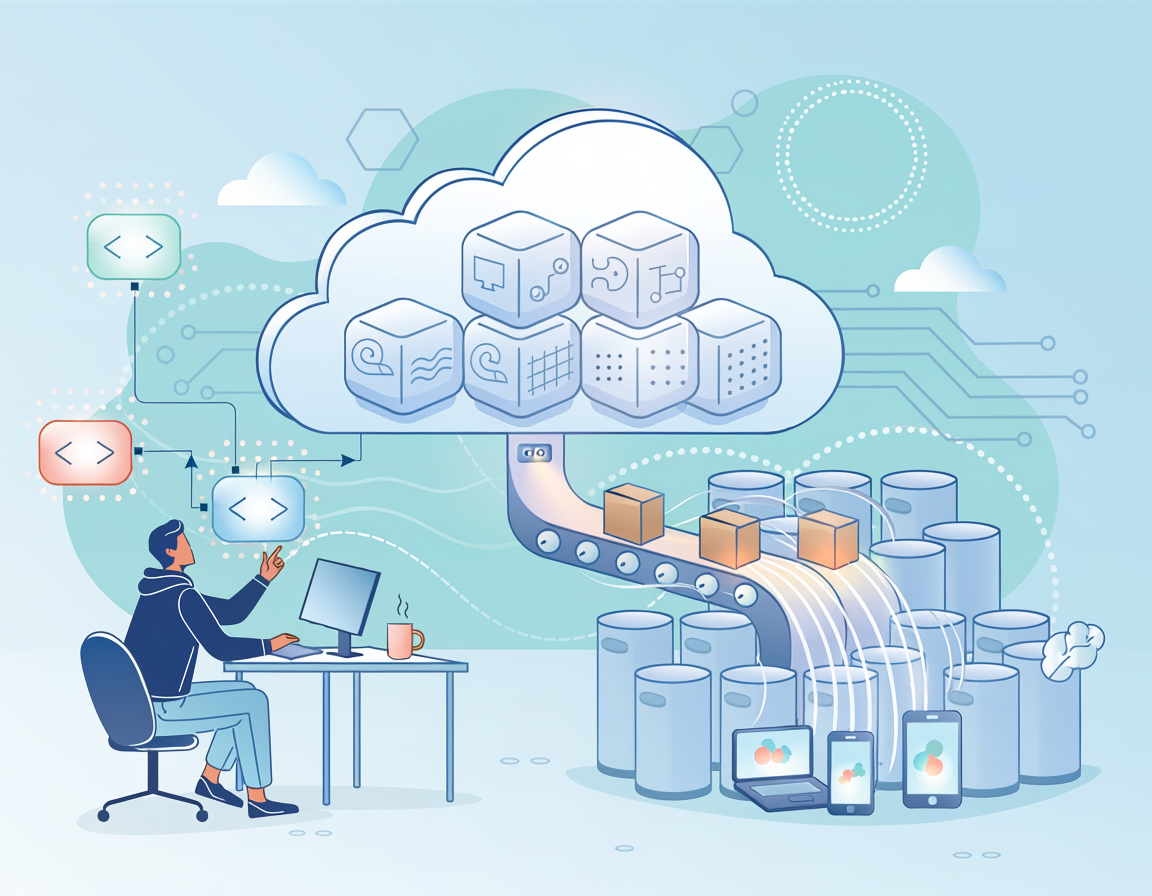
The fastest path from idea to AI-powered product isn’t better code — it’s the right ai model api platform eliminating infrastructure as a bottleneck.
In 2026, American developers and indie hackers face a brutal productivity paradox. The AI model landscape has never been richer — hundreds of open-source models for image generation, video synthesis, audio transcription, text analysis, and code assistance are available right now. Yet accessing them still requires navigating GPU provisioning, Docker containers, CUDA dependencies, and cloud infrastructure that can eat six to twelve weeks of setup time before a single line of product logic gets written.
For US-based technical founders billing at $100–200/hour in consulting or opportunity cost, that infrastructure tax is existential. Every week spent configuring servers is a week not spent acquiring users, closing deals, or shipping features.
Replicate changes this equation entirely. It is a fully managed ai model api platform that lets developers run AI models via simple REST API calls — no GPU setup, no server management, no container orchestration. The platform hosts over 100,000 open-source and community models, scales automatically from zero to thousands of GPUs on demand, and charges only for actual compute seconds consumed.
This article delivers four concrete workflows you can implement this week, each capable of saving 2–8 hours of developer time. Whether you are a solo SaaS founder integrating image generation, an indie hacker prototyping a voice clone feature, or a freelance developer building client AI products, Replicate removes the infrastructure layer so you can ship what actually matters.
For US developers billing $100–150/hour in opportunity cost, the ROI calculus is stark: every hour freed from infrastructure management translates directly to product hours, client billable time, or revenue-generating features. Replicate is built precisely for that math.
Try Replicate’s API free and run your first model in under 10 minutes. Start Free at Replicate.com | Pay only for what you use
Key Concepts of AI Model API Efficiency
Concept 1: The Infrastructure Tax
Every AI model that runs in production traditionally demands a stack of invisible work: renting and configuring GPU instances, managing CUDA drivers and dependencies, containerizing the model, setting up autoscaling, monitoring uptime, and patching security vulnerabilities. According to industry estimates cited in this technical breakdown, self-hosting AI infrastructure typically consumes up to 40% of developer time — time that could otherwise go toward user-facing features.
Consider Tyler, a solo SaaS developer in Denver building an AI design tool. Before Replicate, every new AI model he wanted to test required 8–12 hours of infrastructure setup: spinning up an AWS EC2 GPU instance, wrestling with driver compatibility, writing Dockerfiles, and configuring load balancers. He was shipping one new AI feature per month. After switching to an API-first approach via Replicate, that same integration dropped to under 2 hours — a 6x improvement in iteration speed. He now ships 3–4 AI features monthly.
For explore Replicate in detail, this concept is foundational: the platform exists specifically to zero out the infrastructure tax for developers who want to run ai models via api without standing up their own compute.
Concept 2: Pay-Per-Second Pricing as a Productivity Unlock
Traditional cloud GPU pricing operates on reserved instance or hourly billing models. Developers pay for GPU capacity whether or not they use it — forcing a decision between over-provisioning (expensive) and under-provisioning (slow or unavailable). For indie hackers and solo founders, this creates financial inefficiency that directly impacts how aggressively they can experiment.
Replicate’s usage-based pricing — billed per second of actual compute time — flips this model. Aisha, a freelance developer in Atlanta building AI-powered client products, runs roughly 1,200 image generation API calls per month for three clients. Under a traditional GPU rental model, she would pay a fixed monthly fee for an instance large enough to handle peak load. Under Replicate’s model, she pays only for the seconds those 1,200 calls actually run. Her monthly AI infrastructure cost dropped from an estimated $180 in reserved capacity to under $40 in actual usage — freeing $1,680/year to reinvest in tools or client acquisition.
Concept 3: Model Breadth as Competitive Advantage
The third efficiency concept is less obvious but equally powerful: having access to 100,000+ models through a single unified API creates a massive selection advantage for developers. Instead of discovering a model, evaluating its hosting requirements, and then deciding whether the integration effort is justified, developers on Replicate can run any model with the same five lines of code — making experimentation nearly free from a time perspective.
This breadth matters for ai development tools decision-making. When building a client prototype, a developer can evaluate five different image models in an afternoon rather than spending a week standing up each one. Faster model selection means faster client feedback cycles, faster pivoting, and ultimately faster revenue.
How Replicate Helps Developer Efficiency
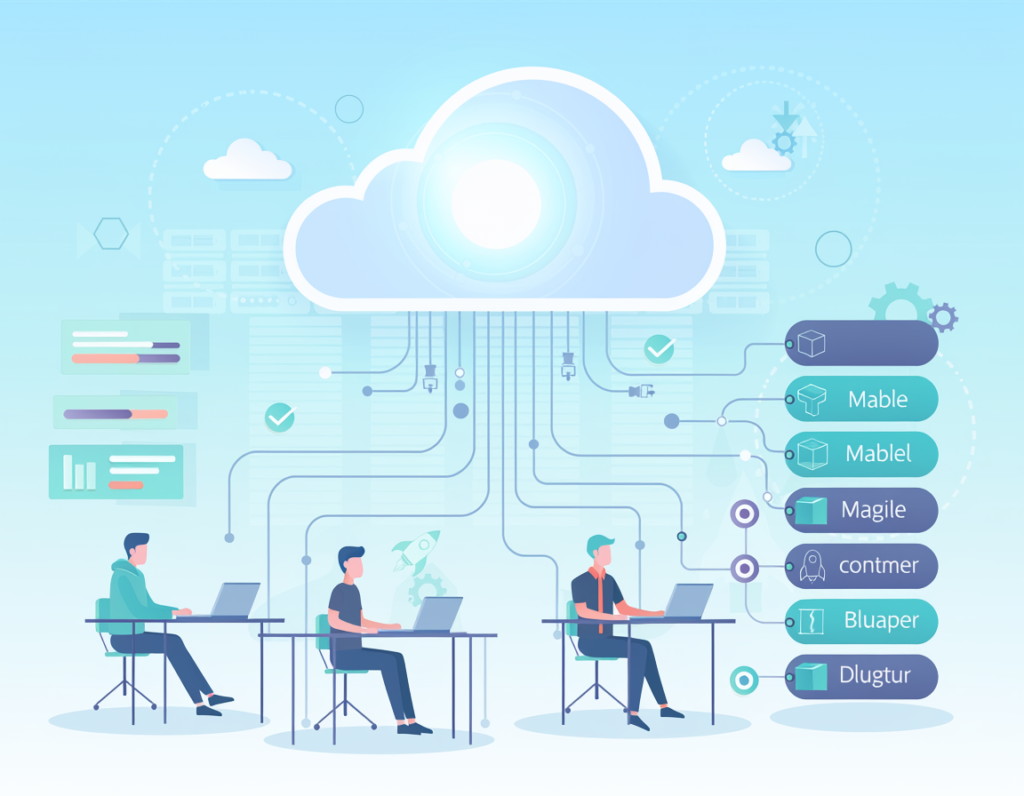
Feature 1: Unified REST API for 100,000+ Models
Every model on Replicate — whether it’s FLUX.1 for image generation, Whisper for speech-to-text, Llama 3 for text generation, or Stable Diffusion for creative visuals — is accessible via the same REST API pattern. The call structure is identical regardless of model:
import replicate
output = replicate.run("model-owner/model-name", input={"prompt": "your input"})
This uniformity has a compounding efficiency benefit. Developers learn the API once and gain access to every model on the platform. Switching from one image model to another for a client’s preference takes minutes, not days. For a freelance developer handling 4–6 clients simultaneously, this standardization eliminates per-integration learning curves — estimated time saved: 35–50 hours annually per developer. For a practical look at how developers are structuring Replicate into their toolchains, this developer-focused Replicate guide offers useful context on setup patterns.
At $100/hour opportunity cost, that’s a $3,500–5,000 annual return from API standardization alone.
Feature 2: Zero Cold-Start Infrastructure
Replicate’s managed infrastructure handles autoscaling automatically, including cold-start management. Developers do not configure minimum instances, worry about warm-up latency strategies, or manage availability zones. The platform routes requests to available GPU capacity and scales to zero when idle — meaning no infrastructure cost during off-peak periods.
For api for ai models that power SaaS products with variable traffic — a common pattern for indie hacker tools — this eliminates the traditional “always-on” GPU cost. Annual infrastructure savings compared to reserved GPU instances range from $1,200–4,800 depending on usage patterns and model type.
Feature 3: Webhooks and Async Processing for Production Workflows
Many AI model tasks — video generation, high-resolution image synthesis, long-form audio transcription — take 10–60 seconds to complete. Replicate supports asynchronous API calls with webhooks, allowing developers to fire-and-forget requests and receive results via callback rather than holding open HTTP connections. This architectural pattern is critical for production-grade AI products and eliminates the need for developers to build custom polling logic or queue management systems.
Time saved building custom async infrastructure: 20–40 hours per project. At $125/hour, that’s $2,500–5,000 saved per product a developer ships.
To see these features in production with workflow examples and pricing breakdowns, see our full Replicate review.
Ready to ship AI features in hours, not weeks? Try Replicate’s API free and run your first model in under 10 minutes. Start Free at Replicate.com | Pay only for what you use
Best Practices for Implementing Replicate
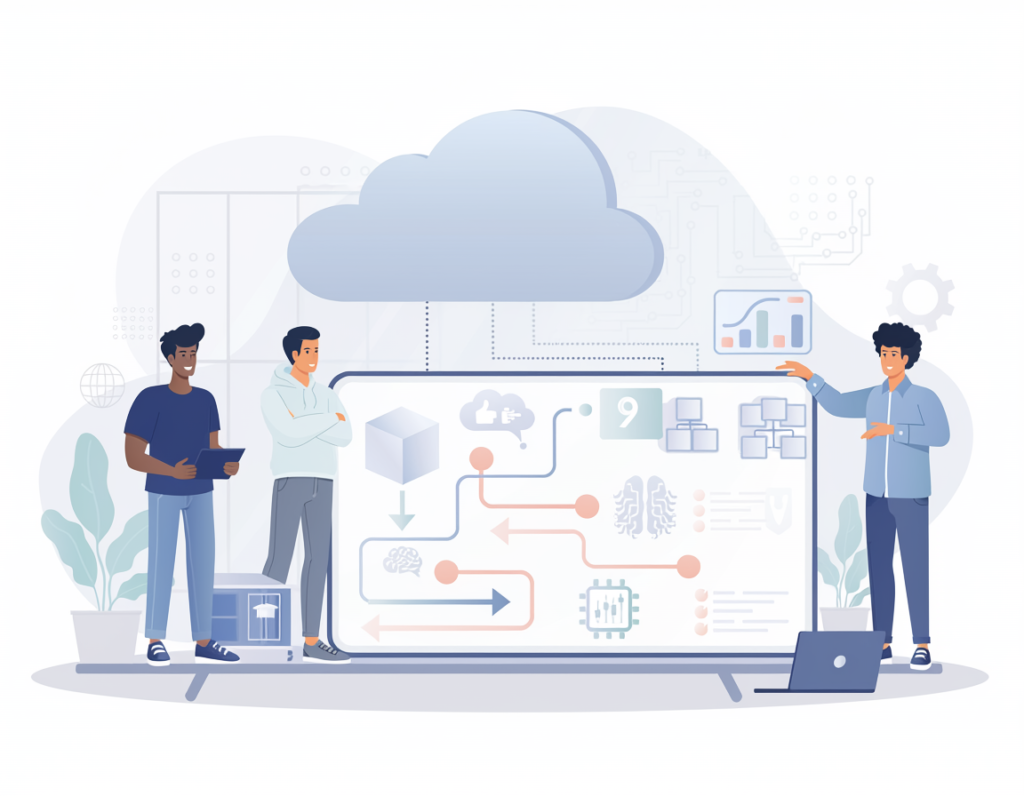
Start with a Single High-Pain Integration
Resist the temptation to migrate every AI workflow at once. Identify the single model integration currently costing the most setup or maintenance time and replace it first. A complete migration in one week of focused work is more valuable than a partial migration across six. Most developers find that the first integration teaches them 80% of what they need to know about Replicate’s API patterns, webhook handling, and error behavior.
Build Wrapper Functions Early
Create internal wrapper functions around Replicate’s API calls from day one — functions that handle authentication, error retrying, and logging. This adds 2–3 hours of upfront work but prevents the common failure mode where Replicate API calls are scattered throughout a codebase, making model swaps or cost optimization difficult later. When a better model launches (and it will), a well-wrapped architecture lets you swap it in under an hour.
Limitations and Considerations
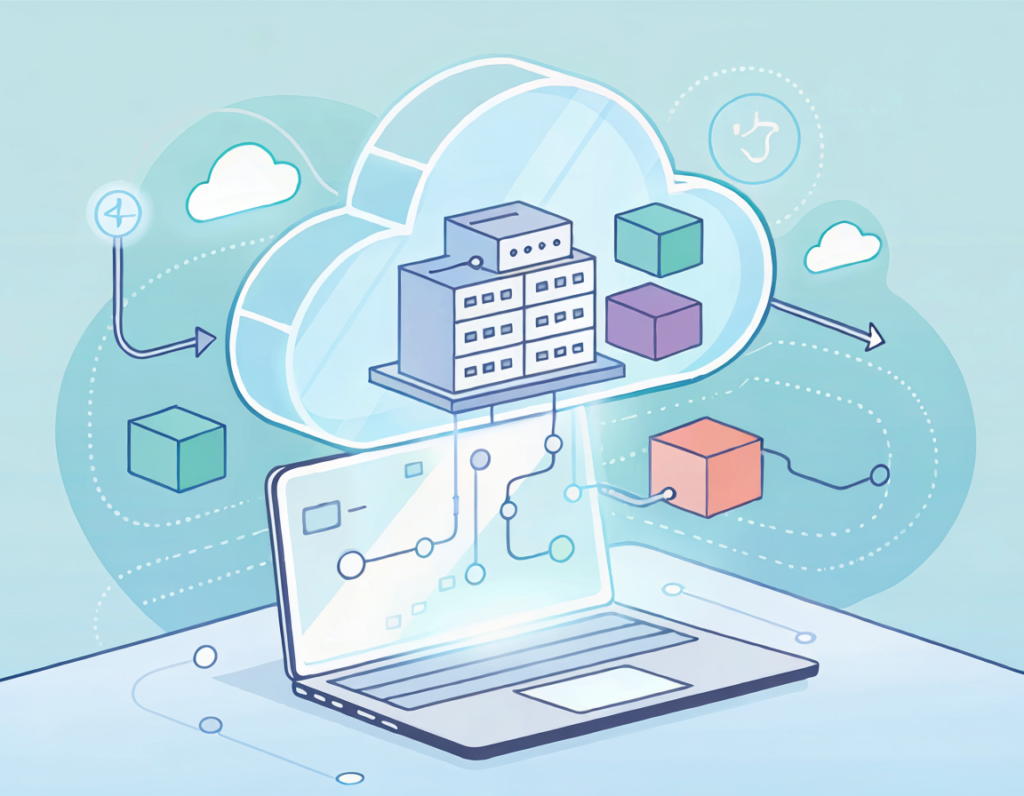
Latency is not guaranteed at the lowest tier. Cold-start times on Replicate can range from 5–30 seconds for models that have not recently been used. For products where sub-second response times are a hard requirement — real-time voice applications, interactive games, live video processing — cold-start latency makes Replicate unsuitable as the primary backend without dedicated deployments, which carry higher cost. Dedicated deployments that keep instances warm are available but change the pricing model from pure pay-per-use.
Data privacy requires explicit architecture decisions. By default, inputs sent to Replicate’s public models pass through Replicate’s infrastructure. For applications handling HIPAA-regulated health data, financial PII, or confidential client documents, this is a compliance concern. Replicate offers private deployments for sensitive workloads, but developers must explicitly architect for this — it is not automatic.
Model availability is community-dependent. The 100,000+ model library is largely community-maintained. Models can be deprecated, updated with breaking changes, or see performance regressions when maintainers update them. Production applications should pin to specific model versions using Replicate’s versioned API endpoints rather than calling the latest alias. Failure to version-pin is the most common source of unexpected behavior in production.
Frequently Asked Questions
What is an AI model API platform and why does it matter for developers?
An AI model API platform is a service that hosts pre-built AI models and makes them accessible via standard API calls, eliminating the need for developers to manage GPU infrastructure, model serving, or scaling. For developers and technical founders, this means the difference between spending weeks on infrastructure and spending hours on product features. Replicate is one of the leading platforms in this category, offering access to 100,000+ models through a single unified API with pay-per-use pricing.
Can I run my own custom fine-tuned model on Replicate?
Yes. Replicate’s Cog tool allows developers to package any custom PyTorch, JAX, or other framework model into a production-ready container and deploy it to Replicate’s infrastructure. The custom model then becomes accessible via the same REST API interface as any other model on the platform, with the same autoscaling and webhook support. This is particularly useful for client projects requiring proprietary model weights or fine-tunes on specific datasets.
How do I use Replicate’s API to run AI models in my application?
The basic workflow involves four steps: create a Replicate account and obtain an API token, install the Replicate client library for your language (pip install replicate or npm install replicate), authenticate by setting REPLICATE_API_TOKEN as an environment variable, and call replicate.run("model-name", input={...}) with your model inputs. Most developers have their first API call working within 10 minutes. For production applications, Replicate’s asynchronous API with webhooks handles longer-running tasks without blocking requests.
Conclusion
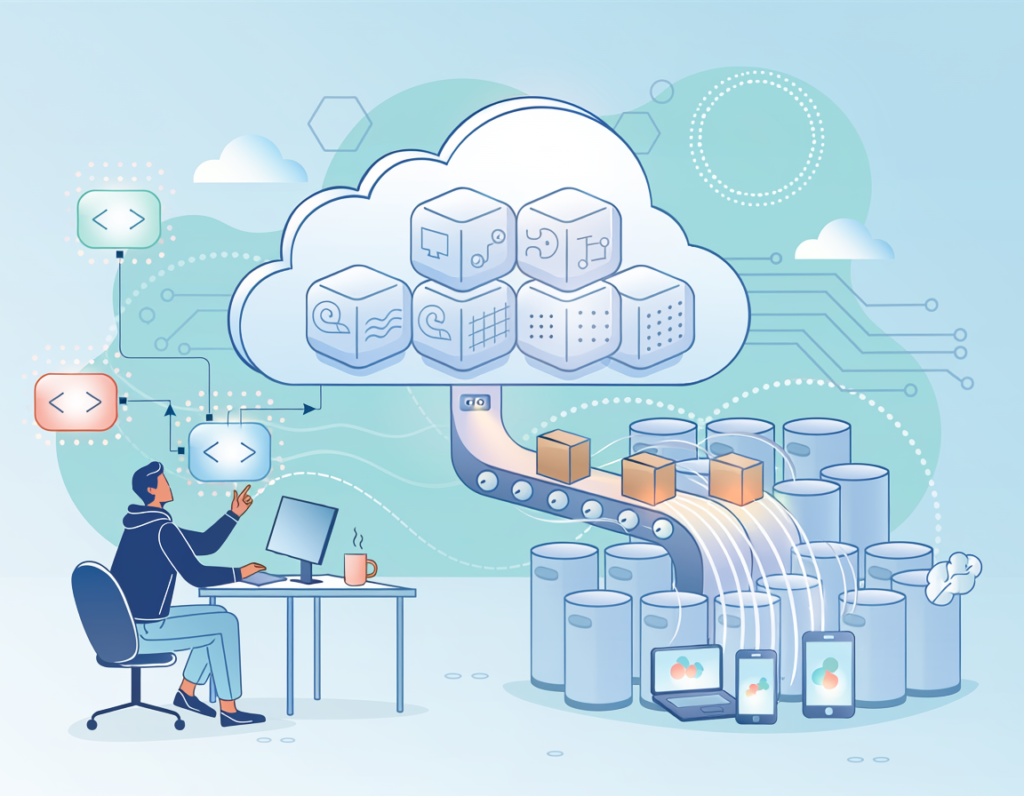
In 2026, the constraint on AI product development is not the availability of models — it is the infrastructure overhead that separates a model’s existence from its production deployment. Replicate directly attacks this constraint with a unified ai model api platform that removes GPU management, autoscaling, and model serving from the developer’s problem set entirely.
For US developers and technical founders billing their time at $100–150/hour, the efficiency math compounds quickly. Infrastructure setup time eliminated, maintenance hours reclaimed, model evaluation cycles accelerated, and custom model deployment simplified — each of these efficiency gains translates directly to product hours, billable client time, or features that generate revenue.
Replicate is not a replacement for deep AI engineering judgment. Model selection, prompt engineering, evaluation, and product architecture still require human expertise. What Replicate eliminates is the infrastructure tax — the invisible overhead that has historically separated developers who can afford to experiment aggressively with AI from those who can’t.
The teams shipping the most AI products in 2026 are not the ones with the best DevOps setups. They are the ones who decided not to build DevOps setups at all. The question isn’t “Should I use an API platform for AI models?” — it’s “Can I afford the weeks I’m losing without one?”
Try Replicate’s API free and run your first model in under 10 minutes. Start Free at Replicate.com | Pay only for what you use
Leave a Reply