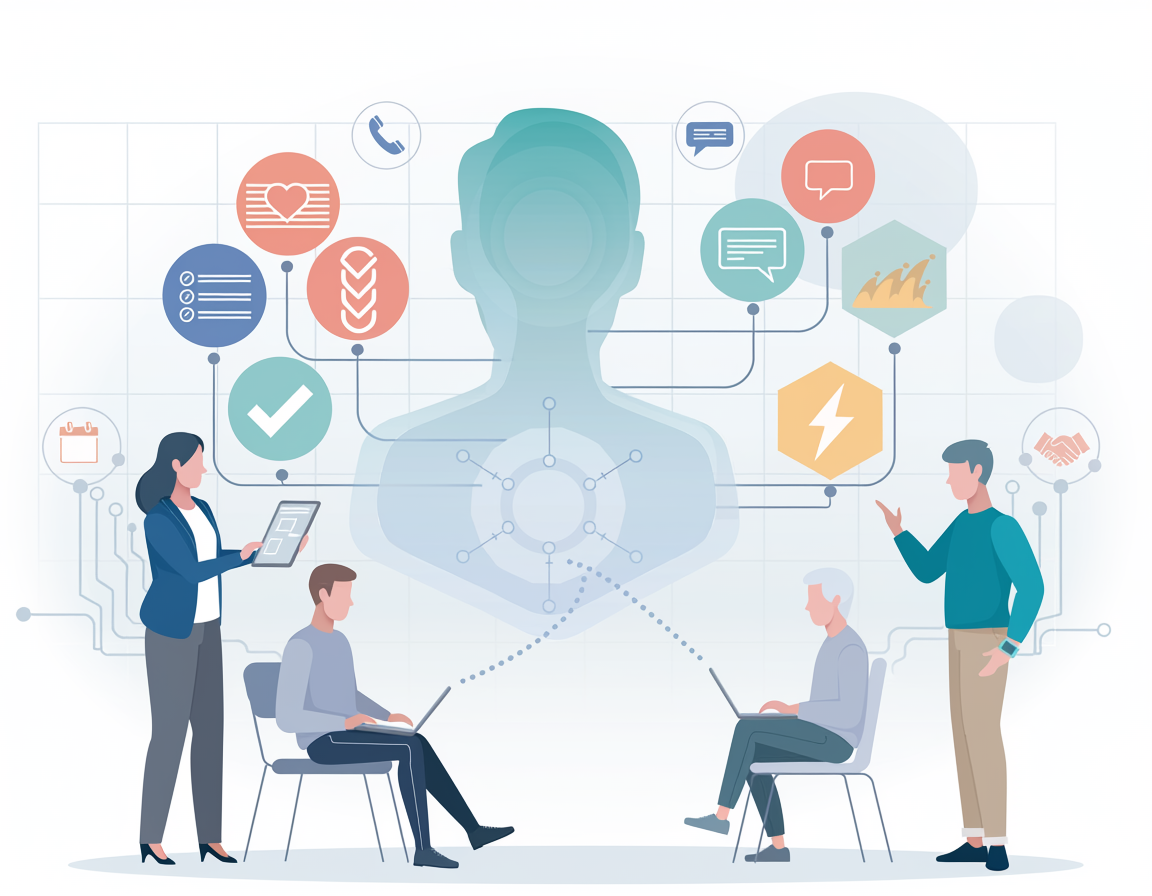
The best ai sales intelligence tools don’t just find leads — they decode the human behind the deal before you ever send the first message.
In 2026, US-based sales professionals face a conversion paradox that no CRM dashboard can solve alone. They have access to more prospect data than ever — LinkedIn profiles, firmographic databases, intent signals — yet response rates to cold outreach keep declining. The problem isn’t volume. It’s relevance.
Every buyer is different. One prospect wants you to lead with ROI data and skip the pleasantries. Another shuts down the moment they sense a scripted pitch. A third needs social proof before they’ll even take a meeting. But without insight into who you’re actually talking to, most sales teams send the same generic sequence to everyone and hope for the best.
For US sales professionals at $75–$200 per hour — account executives, independent consultants, founders doing their own outreach — every mismatched touchpoint is a compounding cost. Wrong tone on a cold email: maybe a 1% reply rate. Right tone, right framing: 3–5x that. Multiplied across hundreds of prospects, that gap is the difference between a quarter that makes target and one that doesn’t.
This is where ai sales intelligence tools like Humantic AI change the equation. Rather than adding more data to the noise, Humantic AI analyzes the behavioral psychology behind your buyers — their DISC personality type, communication preferences, decision-making style — and translates that into hyper-personalized outreach recommendations that actually land.
This article covers four specific use cases for US sales teams in 2026, explains the core concepts behind Humantic AI’s approach, and gives you an honest assessment of where the tool delivers and where it falls short.
Explore Humantic AI and get your first buyer profile free.
Key Concepts of AI Buyer Intelligence
Concept 1: Personality-Driven Personalization
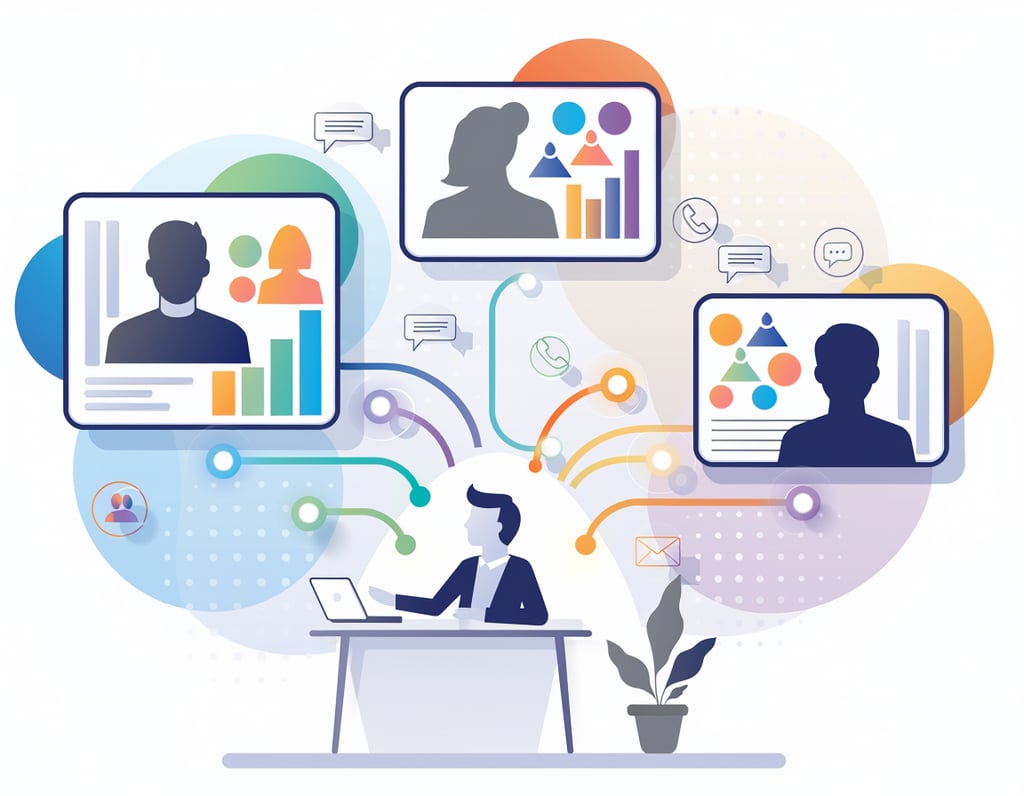
Traditional sales personalization means using someone’s name, referencing their company, and mentioning a mutual connection. That’s table stakes in 2026. Personality-driven personalization goes a layer deeper — it predicts how someone processes information, whether they prefer data or narrative, whether they want you to cut to the chase or build rapport first.
Humantic AI uses the DISC personality framework (Dominance, Influence, Steadiness, Conscientiousness) to profile buyers based on public data signals — primarily LinkedIn activity, writing style, and professional history. The output isn’t a demographic label. It’s a behavioral guide: how to open the email, what kind of proof points to lead with, how much detail to include, and what objections to anticipate.
Consider a scenario: Ryan, an enterprise sales rep in Denver, was sending the same cold email template to 50 prospects per week. After layering in Humantic AI’s personality profiles, he started sending three distinct template variations calibrated to D-types (direct, results-focused), I-types (relationship-driven, big picture), and C-types (analytical, detail-oriented). His reply rate went from 4% to 11% in the first month.
For a detailed breakdown of how Humantic AI builds these personality profiles and what data it draws on, explore Humantic AI in detail.
Concept 2: The Relevance Gap in Sales Outreach
Research on sales psychology consistently shows that buyers decide within the first few seconds of reading an email or listening to a voicemail whether the sender “gets them.” If the tone is off — too aggressive for a relationship-oriented buyer, too soft for a D-type who wants the bottom line — the message gets deleted regardless of how good the offer is.
This relevance gap is where most sales teams lose the game before it starts. They optimize subject lines and send times but never address the fundamental mismatch between message style and buyer personality. The result: open rates that look decent but conversion rates that don’t move.
Consider Marcus, an independent sales consultant in Atlanta who runs outreach for B2B SaaS clients. Before using Humantic AI, he was sending personalized-ish emails that referenced the prospect’s industry and role. After integrating buyer personality data, he restructured his sequences — leading with social proof for S-types, ROI frames for D-types, feature depth for C-types. His close rate on discovery calls improved by roughly 30% over a quarter, and he attributed most of that to the first-touch message finally matching what each buyer actually wanted to read.
Concept 3: Pre-Call Intelligence as a Competitive Moat
In a world where buyers have taken 70% of their purchase decision journey before they talk to a rep, the quality of the rep’s preparation for that first conversation is everything. Knowing a prospect’s company size and role is baseline. Knowing how they prefer to receive information, what decision-making style they gravitate toward, and what they’re likely to resist — that’s a competitive moat.
Humantic AI’s Agent Pi feature generates complete buyer profiles before a discovery call, pulling from the full public internet rather than just LinkedIn. This means reps walk into conversations knowing not just the “what” about a prospect but the “how” — how to open, how to handle the Q&A phase, how to frame next steps in a way that resonates with that specific person’s style.
How Humantic AI Helps Sales Teams

Feature 1: Agent Pi — Buyer Personality Profiling
Agent Pi is Humantic AI’s core feature: an AI agent that generates a complete personality and behavioral profile for any prospect within seconds. Feed it a LinkedIn URL, and it returns a DISC type classification, a communication style guide, recommended email tone, and specific do’s and don’ts for that buyer.
The ROI here is significant. For a rep sending 100 personalized outreach emails per week, without AI personality data they’re likely spending 5–8 minutes per prospect doing manual research and still guessing at tone. With Agent Pi, that drops to under 60 seconds per profile, and the output is more actionable than anything they’d piece together manually. Over the course of a year, that’s 130–170 hours recovered — and the emails actually convert better.
For a US sales professional at a $100/hour opportunity cost, that’s $13,000–$17,000 in reclaimed time annually, plus the revenue impact of higher reply and conversion rates.
Feature 2: Agent Miia — Account Research in Minutes
Agent Miia handles the account intelligence side: company research, competitive positioning, and solution-fit analysis — all in under three minutes. You enter the target account (and optionally up to three competitors), and Miia returns a complete research brief customized to your solution.
As noted in this breakdown of Humantic AI’s integration ecosystem, the platform connects with CRMs and automation tools like Notion, Google Sheets, Gmail, and Slack — meaning Miia’s output can flow directly into your existing workflow rather than creating a separate research step. For sales teams running structured sequences, this eliminates one of the highest-friction parts of prospecting: the prep work that nobody has time for.
For a team of five reps each spending 3 hours per week on account research, Miia could recover 15 hours per week — roughly $78,000 in annual productivity at $100/hour, before accounting for the quality improvement in the research itself.
Feature 3: Personalization at Scale via the Kairos Activation Engine
Knowing a buyer’s personality type is only valuable if that insight translates into the actual outreach. Humantic AI’s Kairos layer connects personality data to personalization recommendations across email, LinkedIn, and call prep — surfacing the right messaging angle for each contact at the right time.
This is where Humantic AI moves from a research tool to a sales execution tool. Reps don’t just read a profile and adapt manually. The platform generates specific, actionable guidance: open with this, avoid that, use this type of social proof, frame urgency this way. For junior reps or founders doing their own outreach without deep sales training, this is like having a senior sales coach reviewing every message before it goes out.
To see how these features work together in a real sales workflow, see our full Humantic AI review.
Best Practices for Implementing Humantic AI

Start with One Stage of the Funnel
Don’t try to overhaul your entire sales process at once. Pick one stage — most commonly first-touch cold outreach or pre-call discovery prep — and apply Humantic AI exclusively there for 30 days. Track reply rates or show rates against your baseline. This focused rollout gives you clean data to measure impact and builds the habit before expanding.
Treat Personality Profiles as Guides, Not Scripts
Humantic AI’s DISC profiles are probabilistic models, not certainties. A prospect classified as a D-type may still appreciate some relationship context depending on the deal stage or industry. Use the profiles to set your default approach, but stay alert to feedback signals in replies — a short, direct response from a prospect you pegged as an I-type suggests they may be operating in a more analytical mode right now.
Integrate Into Existing Tools Before Building New Workflows
The Chrome extension and CRM integrations are where Humantic AI delivers the most consistent ROI because they remove the friction of adopting a new platform. Get reps using the Chrome extension on LinkedIn first — it’s the lowest-effort on-ramp and produces immediate, visible results. CRM integration can come later once the team is comfortable with the profile format.
Limitations and Considerations
Profile Accuracy Depends on Data Availability
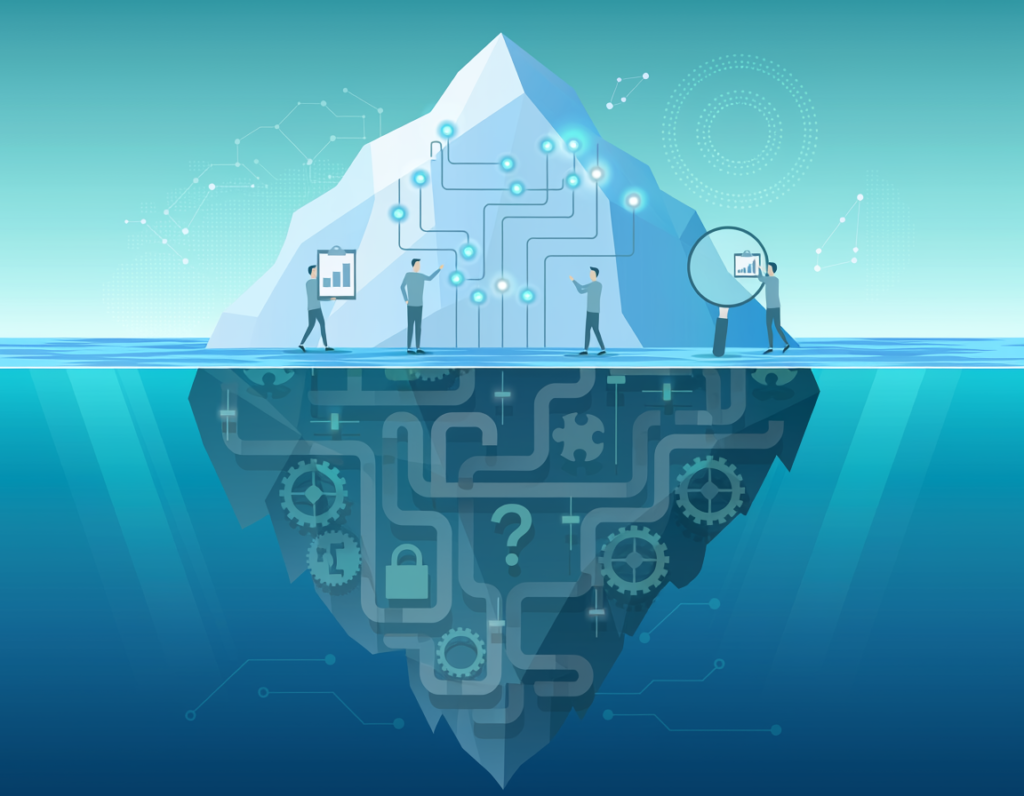
Humantic AI builds personality profiles from public data — LinkedIn activity, writing samples, professional history. For prospects with thin or inactive public profiles, the profile quality degrades significantly. A buyer who joined LinkedIn five years ago and has never posted anything gives the algorithm very little to work with. For these contacts, the platform may return a profile but with lower confidence scores, and reps should treat the output accordingly.
It Does Not Replace Sales Judgment on Complex Deals
Personality profiling is most powerful at the top of funnel — first-touch emails, cold outreach, discovery call prep. As deals progress and relationships deepen, the nuances of negotiation, stakeholder dynamics, and organizational politics require human judgment that no AI tool can replace. Treating Humantic AI as a strategic tool rather than a deal-closing tool keeps expectations calibrated.
DISC Is a Framework, Not a Science
The DISC framework is widely used in sales training, but it’s a behavioral model, not a diagnostic instrument. For a thorough look at how these models power AI sales profiling, this comprehensive guide to AI-powered sales covers the methodology in depth. Personality profiles are probabilistic — a prospect profiled as a C-type may behave like a D-type under deadline pressure, or when a competitor is in the deal. Reps who treat profiles as gospel rather than starting hypotheses will occasionally be caught off-guard.
Frequently Asked Questions
How do sales teams use ai buyer personality analysis in practice?
The most common workflow: run a prospect’s LinkedIn URL through Humantic AI before writing a cold email or before a discovery call. The profile returns their DISC type, communication style, and specific do’s and don’ts. You adjust message structure, tone, and lead content accordingly. Teams with higher volumes use CRM integration to automate profile generation for all new contacts.
Do I need technical skills to use Humantic AI?
No. The Chrome extension and web app are built for non-technical sales professionals. Individual use requires no setup beyond installing the extension. CRM integrations are more complex and may benefit from RevOps support at larger teams.
What’s the ROI of ai tools for sales conversion like Humantic AI?
If improving first-touch reply rates from 3% to 7% adds two additional discovery calls per week, and a rep closes 20% of those at $20,000 average deal size, that’s $416,000 in incremental annual pipeline. At Humantic AI’s subscription cost, the return is strong for teams with active outreach volume.
Conclusion
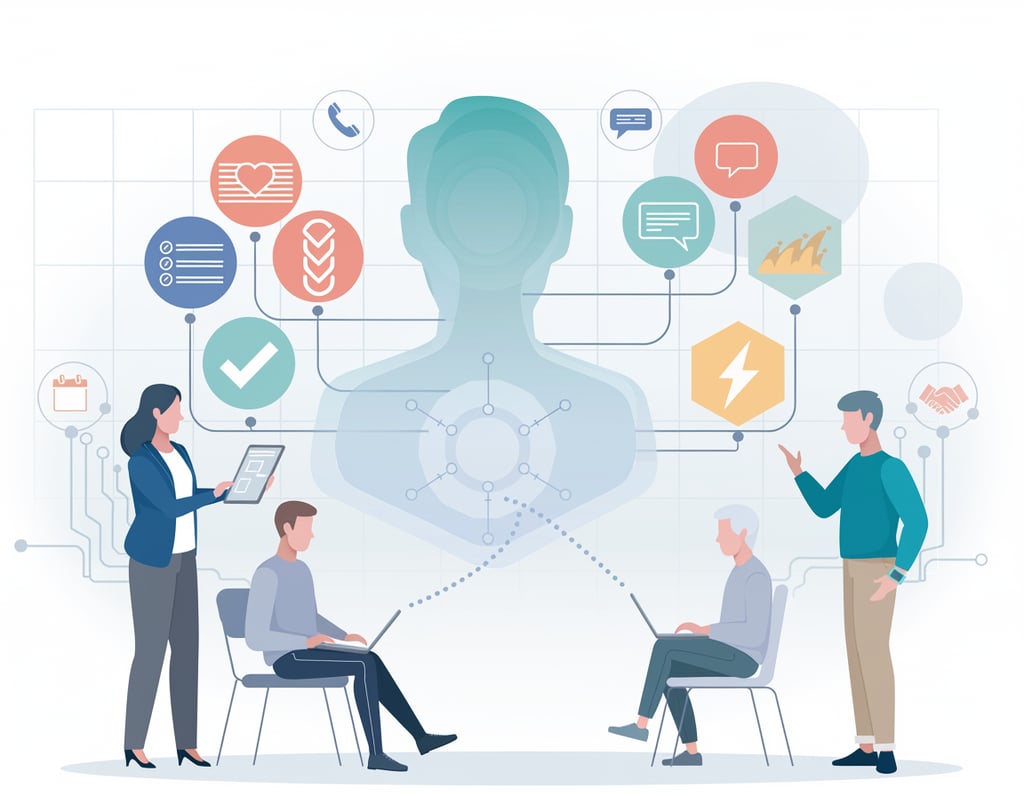
In 2026, the gap between average and elite sales performance increasingly comes down to one thing: understanding the human behind the deal before you try to sell them anything. Generic outreach, no matter how well-written or well-timed, loses to personalized relevance every time.
Humantic AI is one of the most purpose-built ai sales intelligence tools in the market for solving exactly this problem. By profiling buyers’ DISC personalities, generating account research in minutes, and embedding personalization recommendations directly into the tools reps already use, it addresses the relevance gap at the point where most deals are won or lost — the first touchpoint.
For US sales professionals working deals with meaningful size and velocity, the ROI case is clear. Improving reply rates from 3–4% to 7–9% is not a marginal gain — at scale, it reshapes what a quarter looks like. Recovering 2–3 hours per week in research and prep time is real money at US billing rates.
That said, Humantic AI is a tool, not a strategy. The teams that see the biggest results treat personality profiling as one input into a broader buyer-centric sales motion, not a magic solution to weak positioning or a poor product-market fit.
If you’re ready to stop guessing how to talk to your buyers and start leading with a message that actually matches how they think, the question isn’t whether to use ai buyer personality analysis in your outreach. It’s how quickly you can make it part of your standard process.
Explore Humantic AI and get your first buyer profile free.
Leave a Reply