
Introduction
If you’re a freelancer or solo entrepreneur in 2026, you’re likely juggling an impossible list: client work, marketing, admin tasks, content creation, emails, invoicing, and everything in between. The traditional approach—working harder and longer—has hit its ceiling. You’re overwhelmed, burning out, and still falling behind.
The game-changer? AI efficiency for small business. We’re witnessing a fundamental shift from manual, time-consuming workflows to AI-powered daily operations that handle the repetitive, draining tasks that consume your energy. This isn’t about replacing your expertise or creativity; it’s about reclaiming your time and mental bandwidth for the work that truly matters.
Enter ChatGPT, the conversational AI tool that’s transforming how freelancers and small business owners work. Instead of spending three hours drafting client proposals, formatting reports, or researching competitors, you can delegate these tasks to an AI assistant that works 24/7, never complains, and gets smarter the more you use it. ChatGPT represents the smart alternative to the overwhelm: a way to automate the mundane while amplifying your unique skills and strategic thinking.
In this comprehensive guide, we’ll explore exactly how ChatGPT delivers AI efficiency for small business owners. You’ll discover practical frameworks, real-world use cases, and actionable strategies to cut your workload in half while maintaining (or improving) the quality of your output. Whether you’re a creative freelancer drowning in blog writing, a consultant buried in client communications, or a solo founder wearing too many hats, this article will show you how to work smarter in 2026.
Key Concepts of AI Efficiency

Before diving into ChatGPT’s specific capabilities, let’s establish three foundational concepts that explain why AI tools deliver such dramatic efficiency gains for small businesses. Understanding these principles will help you identify where AI can make the biggest impact in your workflow.
Cognitive Offloading
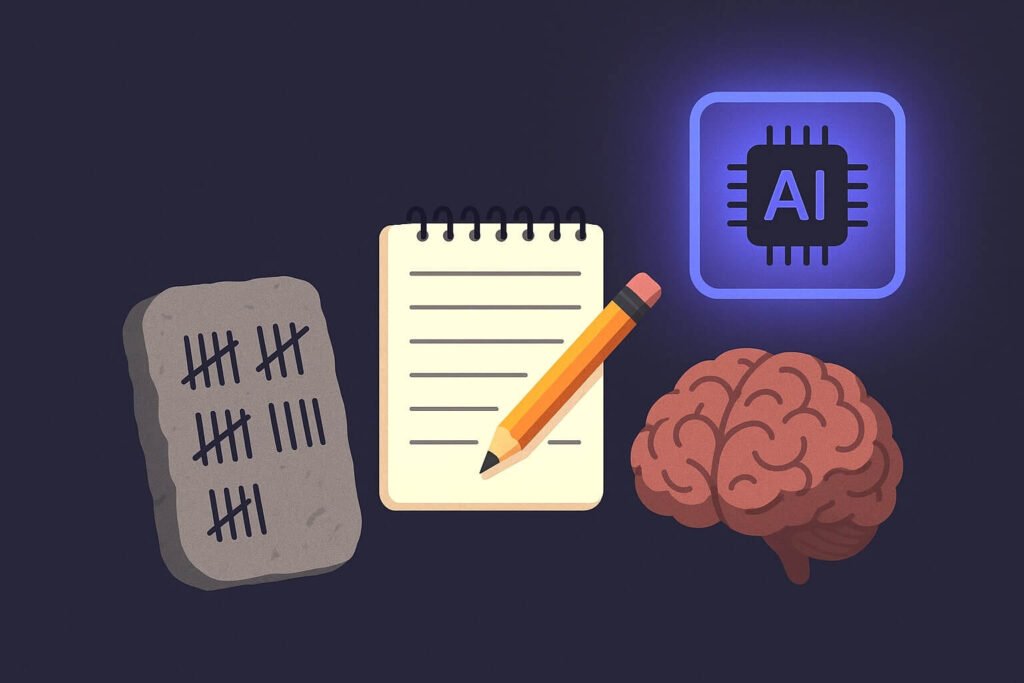
Cognitive offloading refers to using external tools to reduce the mental burden of tasks that would otherwise consume your working memory and attention. Think of it as outsourcing the “thinking work” that drains your energy without requiring your unique expertise.
For small business owners, cognitive load is a silent killer. You’re constantly context-switching between client work, administrative tasks, marketing, and operations. Each mental shift depletes your decision-making capacity and creativity. By 2026, successful entrepreneurs have learned that cognitive offloading isn’t laziness—it’s strategic resource management.
Here’s a real-world example: A freelance marketing consultant needs to create monthly reports for five clients. Each report requires gathering data from multiple platforms, analyzing trends, writing summaries, and formatting tables. Traditionally, this process takes about 90 minutes per client—7.5 hours monthly—and requires intense focus to avoid errors.
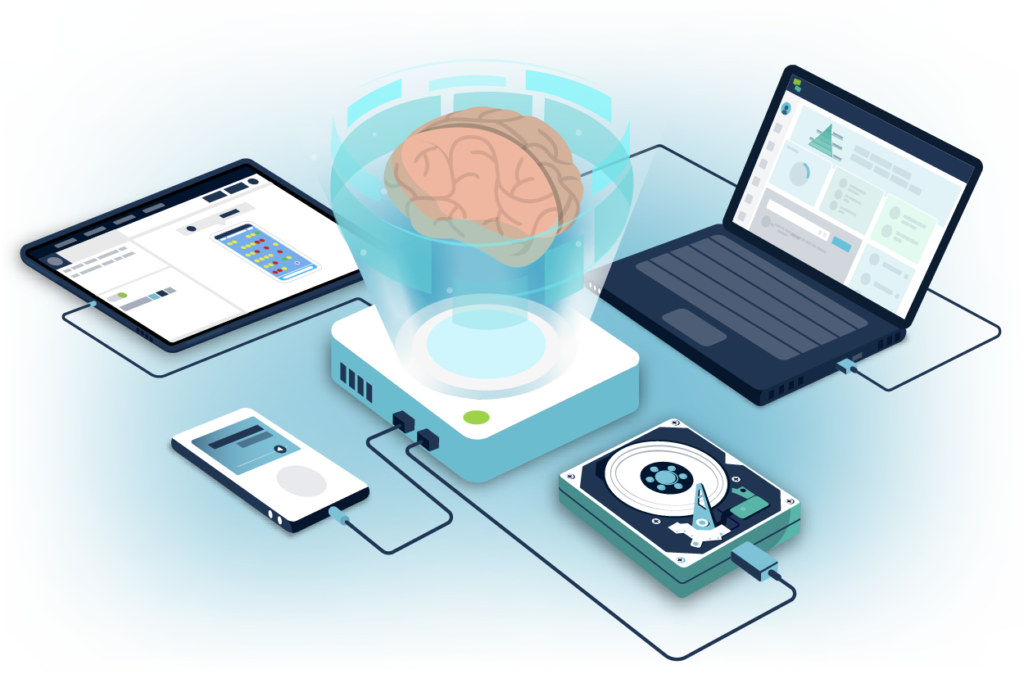
With cognitive offloading to ChatGPT, the consultant pastes raw data into the AI and requests: “Analyze this month’s social media performance, identify the top three trends, and draft a summary with improvement recommendations.” ChatGPT processes the information in seconds, delivering a structured analysis that the consultant can review and customize in 15 minutes. The cognitive burden shifts from creation to curation—a far less draining task.
This concept is central to AI efficiency for small business because it recognizes that your brain is your most valuable asset. When you offload routine analytical or writing tasks, you preserve mental energy for strategic decisions, creative problem-solving, and high-value client interactions.
Context Switching Cost
Every time you shift between different types of tasks—say, from writing a blog post to answering emails to updating your accounting spreadsheet—you pay a hidden tax called the context switching cost. Research shows it takes an average of 23 minutes to fully regain focus after an interruption or task change.
For freelancers and solo entrepreneurs, this is catastrophic. Your typical workday might involve 20+ context switches: client calls, content creation, social media management, administrative work, and more. Those 23-minute focus recovery periods add up to hours of lost productivity each day.
AI automation directly attacks context switching costs by consolidating related tasks and handling them in batches. Instead of interrupting deep work to respond to routine client questions, you can batch these inquiries and have ChatGPT draft personalized responses all at once. Instead of constantly switching between writing and research, you can ask ChatGPT to handle initial research while you maintain focus on content creation.
Consider an e-commerce owner who manually responds to 30 customer service inquiries daily. Each email requires switching mental context: understanding the customer’s issue, locating relevant information, crafting a response, and formatting it professionally. These micro-switches fragment the entire workday.

With ChatGPT handling first-draft responses to common inquiries (order status, return policies, product questions), the owner reviews and sends batches of AI-generated replies in two 15-minute blocks. The cognitive load drops dramatically because reviewing is a single-context task, while creating 30 unique responses demands 30 separate mental shifts.
This is why AI tools for entrepreneurs deliver such immediate productivity gains—they don’t just make individual tasks faster; they eliminate the invisible time drain of constant context switching.
Workflow Orchestration
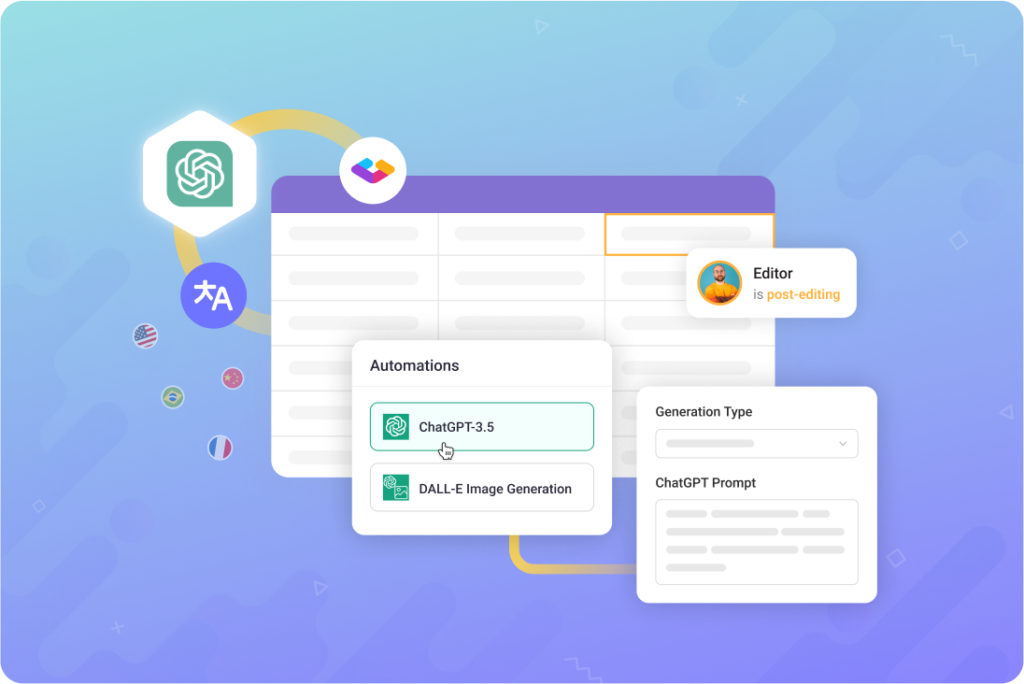
Workflow orchestration is the practice of connecting multiple steps in a business process so they flow smoothly with minimal manual intervention. It’s the difference between juggling ten disconnected tasks and having a system that guides work from start to finish.
Small businesses often lack the resources for sophisticated workflow automation tools used by larger companies. But AI-powered workflow orchestration brings enterprise-level efficiency to solo operations. ChatGPT acts as an intelligent coordinator that can remember context across a multi-step process, making complex workflows manageable without expensive software.
Here’s how workflow orchestration enhances AI efficiency for small business: Imagine a content creator’s publishing process. The old workflow involves seven disconnected steps: brainstorming topics, researching keywords, outlining the post, writing the draft, editing for SEO, creating social media snippets, and scheduling promotion. Each step lives in a different tool or headspace, with frequent delays between stages.
With ChatGPT as the orchestrator, the workflow becomes fluid. You start a conversation with topic brainstorming, then immediately ask the AI to research keywords for the best ideas, generate a detailed outline based on those keywords, expand each outline section into full paragraphs, optimize the content for target search terms, extract quotable snippets for social media, and suggest posting schedules. The entire workflow happens in one environment, with full context maintained throughout.
This orchestration principle matters because small business productivity isn’t just about faster execution—it’s about reducing friction between tasks. When ChatGPT remembers what you discussed five messages ago and applies it to the current request, you’re not starting from zero each time. The AI workflows become compound systems where each step builds on the previous one, multiplying efficiency gains.
These three concepts—cognitive offloading, reducing context switching costs, and workflow orchestration—explain why ChatGPT and similar AI tools deliver transformative results for freelancers and small business owners. They address the fundamental challenges of limited time, mental energy, and resources that define the solo entrepreneur experience in 2026.
How ChatGPT Helps Efficiency
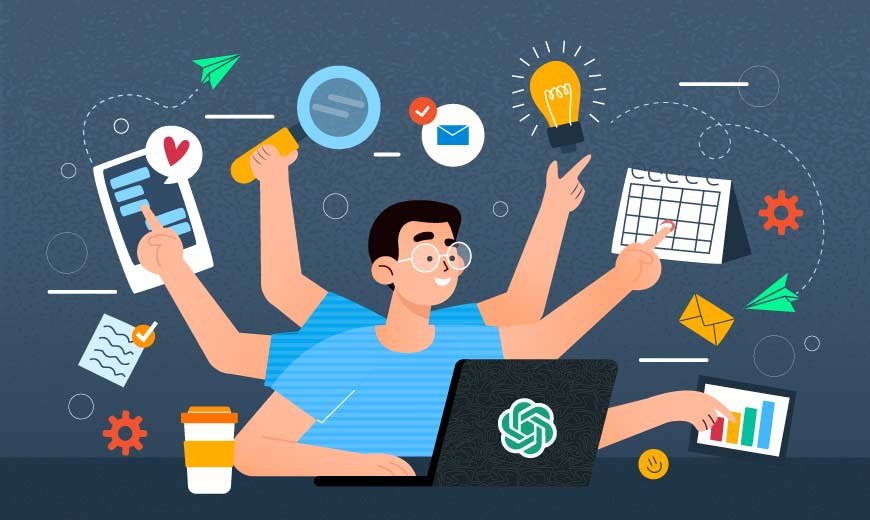
Now that we understand the conceptual framework, let’s examine the specific features that make ChatGPT a powerhouse for AI efficiency. Each capability directly translates into time saved, quality improved, or stress reduced for busy freelancers and entrepreneurs.
Ideation, Rewriting, and Content Formatting
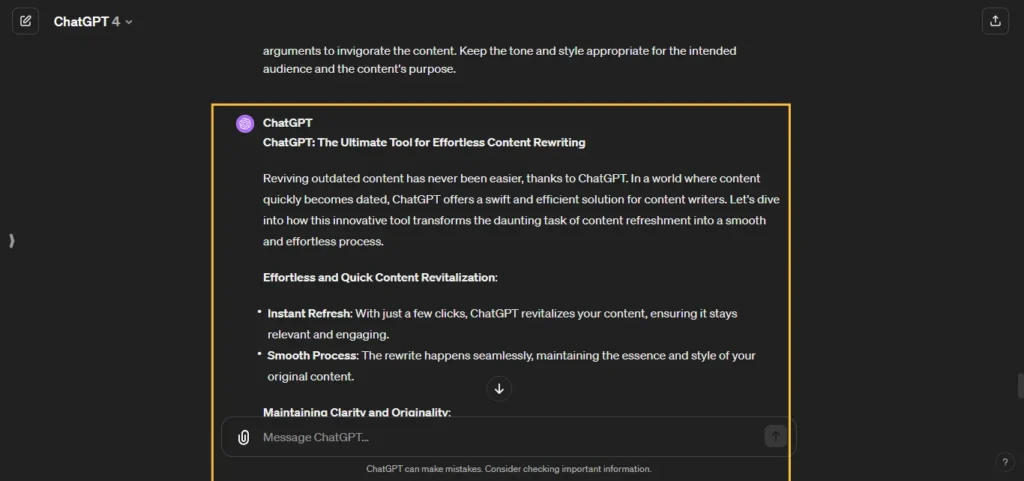
ChatGPT excels at the creative yet time-consuming tasks that bog down content-heavy businesses: generating ideas, rewriting text for different audiences or formats, and applying consistent formatting to messy content.
What it is: Ideation support means using AI to brainstorm concepts, angles, headlines, and approaches when you’re starting a project. Rewriting capabilities allow you to transform existing content for different purposes (blog post to social media, technical document to client-friendly summary, long-form to short-form). Formatting assistance applies structure to raw information.
How it works: For ideation, you provide context about your goals and constraints: “I need 15 blog post ideas for a B2B email marketing SaaS, targeting small business owners who want to improve open rates.” For rewriting: “Take this technical white paper and rewrite it as a LinkedIn post for marketing managers.” For formatting: “Organize these unstructured meeting notes into a professional client status report with sections for progress, challenges, and next steps.”
Business result: These features accelerate the most creatively draining parts of small business productivity. The blank page becomes less intimidating when AI provides starting points. Quality improves because you can quickly test multiple approaches rather than settling for your first idea. Consistency increases because formatting rules get applied uniformly across all documents.
Realistic scenario: David, a freelance copywriter, lands a client project requiring 30 product descriptions for an online furniture store. Each description needs to be compelling, SEO-optimized, and maintain brand voice—but creativity flags after the fifth description. David uses ChatGPT to: (1) generate 10 different headline formulas for product descriptions, (2) rewrite the manufacturer’s bland specifications into emotionally resonant copy, (3) ensure each description includes target keywords naturally, and (4) apply consistent formatting with bullet points for features and a closing call-to-action. A project that would traditionally take 10 hours is completed in 4, with higher quality because David reviews AI drafts instead of writing from scratch while mentally exhausted.
These four capabilities—long-context memory, task chaining, summarization, and content transformation—combine to deliver substantial AI efficiency for small business owners. They address the core pain points of limited time, mental fatigue, and the overwhelming variety of tasks required to run a solo operation.
Ready to cut admin time in half? Try ChatGPT ? https://chat.openai.com/
FAQs

1. What is AI efficiency for small business?
AI efficiency for small business refers to using artificial intelligence tools like ChatGPT to automate repetitive tasks, accelerate workflows, and reduce the cognitive burden on entrepreneurs and freelancers. Instead of manually handling every aspect of operations—content creation, customer communications, research, data analysis—small business owners delegate appropriate tasks to AI assistants. This creates leverage: one person can accomplish what previously required a small team, without working excessive hours. The goal isn’t replacing human judgment or creativity, but rather eliminating the time-consuming grunt work that prevents small business owners from focusing on high-value strategic activities.
2. Can AI completely replace admin work?
AI can dramatically reduce administrative workload, but complete replacement isn’t realistic or advisable for most small businesses. ChatGPT excels at handling the first 70-80% of admin tasks: drafting emails, creating reports, organizing information, and responding to routine inquiries. However, the final 20-30% still requires human judgment—reviewing AI drafts for accuracy, customizing templates for specific contexts, and handling edge cases that AI doesn’t recognize. Think of it as AI handling the heavy lifting while you provide direction and quality control. This approach typically cuts admin time in half without sacrificing quality or introducing unacceptable risk.
3. How do freelancers use AI to save time?
Freelancers use AI to compress multi-hour tasks into minutes by delegating the initial creation phase. Common time-saving applications include: asking ChatGPT to research topics and provide summaries instead of spending hours reading, having AI create content outlines and first drafts that freelancers then refine and polish, generating multiple versions of client deliverables (headlines, email subject lines, design concepts) to accelerate the ideation process, automating routine client communications by creating templates and letting AI customize them, and formatting and structuring messy information into professional reports and documents. The key pattern is using AI for the 80% that’s repetitive or formulaic, reserving human time for the 20% requiring creativity and expertise.
Conclusion
As we move through 2026, the divide between overwhelmed solo entrepreneurs and thriving small business owners increasingly comes down to one factor: embracing AI efficiency for small business. ChatGPT and similar tools aren’t replacing human expertise, creativity, or strategic thinking—they’re eliminating the repetitive, time-consuming tasks that prevent those valuable skills from shining through.
ChatGPT represents the democratization of capabilities previously available only to businesses with full-time staff. As a freelancer or solo entrepreneur, you now have access to a tireless assistant that accelerates your workflow, reduces cognitive burden, and lets you compete at a higher level. The question isn’t whether to adopt AI automation—it’s how quickly you can integrate it effectively before the productivity gap with competitors becomes insurmountable.
Take the phased, realistic approach recommended throughout this guide, and within 30 days you’ll wonder how you ever operated without AI efficiency tools. Your business, your stress levels, and your clients will all benefit from this fundamental shift in how solo entrepreneurs work.
Next Steps
Ready to transform your workflow with AI efficiency? Explore these related resources to deepen your understanding and expand your capabilities:
- Compare AI – Evaluate different AI tools and find the best fit for your specific business needs beyond ChatGPT.
- AI Revenue Boost – Discover how AI automation directly contributes to revenue growth for small businesses and freelancers.
- Solo DX – Learn comprehensive digital transformation strategies for solo entrepreneurs leveraging AI and automation.
- AI Workflows – Access detailed workflow templates and step-by-step guides for implementing AI across different business functions.
Start your AI efficiency journey today with ChatGPT ? https://chat.openai.com/
Leave a Reply