
Introduction
If you’ve grown your business from just you to a team of five or eight people, you’ve probably noticed something unsettling: the chaos grows faster than the headcount. What worked when you were solo—keeping everything in your head, making quick decisions, pivoting on instinct—becomes a liability when you’re managing others. Suddenly, you’re answering the same questions three times a day. New hires take weeks to get up to speed. Projects fall through the cracks because nobody documented the handoff process.
This is the reality of small team operations in 2026. You’re no longer a solopreneur, but you’re not big enough to hire a COO or operations manager. You’re stuck in what we call the “founder bottleneck”—where growth stalls because everything still runs through you.
Enter AI for team operations. Specifically, tools like Claude 4 that don’t just help you work faster—they help you build the systems your team desperately needs. Claude 4 acts as your operations partner, helping you document processes, create training materials, standardize communications, and build the organizational knowledge that transforms a group of talented individuals into a coordinated team.
This isn’t about replacing human judgment. It’s about finally having the bandwidth to systemize your business so it can run without you being the single point of failure. If your team has grown beyond solo work but still feels chaotic and unpredictable, this guide will show you exactly how Claude 4 powers the systemization you need.
What is Solo DX?

Solo DX—short for Solo Digital Transformation—refers to the process of small business founders implementing systematic, technology-driven changes to their operations without the luxury of a dedicated operations team. It’s the unglamorous but essential work of taking what’s in your head and turning it into repeatable processes that your team can execute independently.
Unlike AI Efficiency (which focuses on personal productivity) or AI Revenue Boost (which targets growth and sales optimization), Solo DX addresses the structural challenges of running a small team. It’s about building organizational muscle—the documented workflows, shared knowledge bases, and consistent processes that allow your business to scale beyond your personal capacity.
Think of it this way: AI Efficiency helps you write emails faster. AI Revenue Boost helps you close more deals. Solo DX helps you build a business where new team members know exactly what to do, where consistent quality is the norm rather than the exception, and where you’re not the only person who understands how things work.

A practical example: A three-person design studio uses Claude 4 to systemize their client onboarding process. Instead of the founder verbally explaining the workflow to each new designer, they use AI for team operations to generate detailed checklists, template responses for common client questions, and step-by-step guidelines for design reviews. The result? New designers become productive in days instead of weeks, and client experience becomes consistent regardless of which designer they work with.
Solo DX is particularly critical for businesses with 1–10 employees—too small for enterprise software and dedicated operations roles, but too big to function as a one-person show. These teams need lightweight systemization that doesn’t require months of implementation or expensive consultants. They need tools that can document tribal knowledge, create standard operating procedures, and build shared context across the team—all without disrupting daily operations.
The goal isn’t to turn your agile startup into a bureaucratic corporation. It’s to create just enough structure that your team can operate independently, consistently, and confidently. Solo DX acknowledges that founders wear multiple hats and provides AI-powered shortcuts to build the operational foundation that would otherwise require a full-time operations manager.
Why AI is Key for Mini-Team Systemization
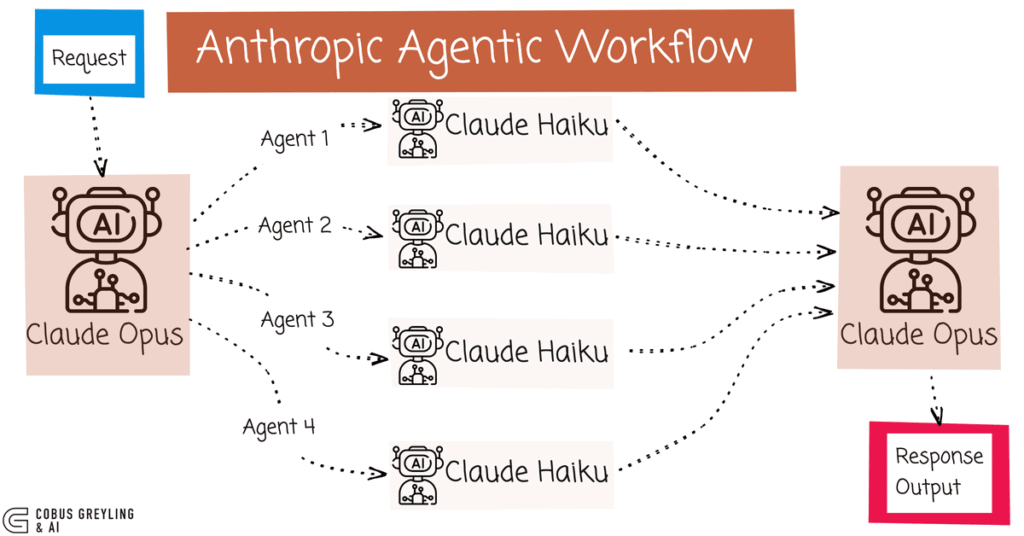
Small teams fail to scale for one primary reason: undocumented processes. When everything lives in the founder’s head, the business becomes fragile. Knowledge doesn’t transfer, quality varies wildly, and growth creates exponentially more confusion rather than capacity.
Consider three critical problem areas that plague teams of 5–10 people:
Problem 1: Institutional Knowledge Exists Only in the Founder’s Head
You know exactly how to handle the tricky client who needs extra hand-holding. You remember which vendor gives the best turnaround for rush orders. You understand the nuanced judgment calls that make the difference between good work and great work. But none of this is written down anywhere.
The result? Every question, every edge case, every minor decision escalates to you. Your team can’t make progress without constant input because they lack the context you’ve built over years. You become the bottleneck, and your calendar fills with “quick questions” that prevent you from doing strategic work.
AI for team operations solves this by helping you externalize knowledge. Claude 4 can interview you about your processes, document your decision-making frameworks, and create reference guides that capture your expertise. Instead of explaining the same thing to five different people, you explain it once to Claude, which then generates comprehensive documentation your team can reference independently.
Problem 2: New Hires Derail Productivity for Weeks
When you bring on a new team member, someone has to train them. Usually that someone is you or your most experienced team member—meaning your best people stop doing valuable work to explain basics. Without documented SOPs, training becomes inconsistent. One hire gets thorough onboarding, another gets a rushed version, and quality suffers.
Even worse, new hires ask the same foundational questions that the previous three new hires asked, because there’s no searchable knowledge base. Every onboarding cycle reinvents the wheel, wasting time and creating frustration on both sides.
AI transforms this dynamic by systematizing onboarding. You can use Claude 4 to create role-specific training guides, generate FAQs based on common questions, and build interactive documentation that helps new team members self-serve answers. Instead of spending 20 hours personally training each hire, you might spend 5 hours creating AI-powered documentation that trains everyone who comes after.
Problem 3: Quality and Consistency Vary Across Team Members
Without clear standards and documented processes, work quality depends entirely on individual interpretation. One team member might send clients casual updates via text. Another writes formal emails. A third forgets to update the client at all. Each person develops their own workflow, and the client experience becomes unpredictable.
This inconsistency damages your brand and creates operational chaos. You can’t confidently promise clients anything because you’re never quite sure how your team will execute. You spend time auditing work and making corrections rather than trusting your team to deliver consistently.
AI enables standardization at scale. With Claude 4, you can create templates for common communications, generate checklists for multi-step processes, and build style guides that ensure brand consistency. You systemize operations by giving your team clear, accessible references for how things should be done—reducing variance and elevating baseline quality across the board.
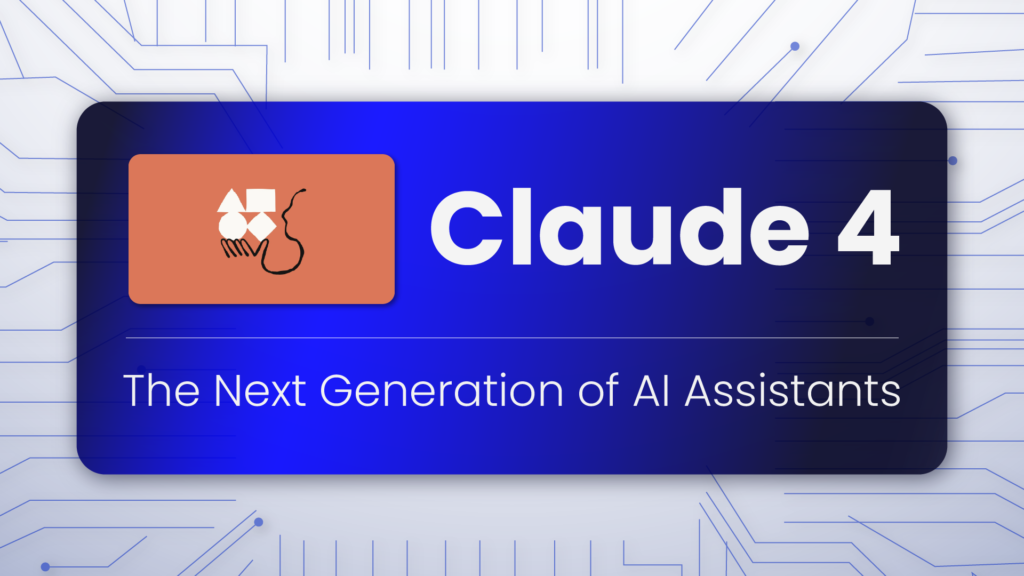
The common thread? Small teams lack the time and expertise to build systems manually. But they desperately need those systems to function effectively. AI for small teams bridges this gap by accelerating the documentation, standardization, and knowledge-sharing that transforms chaos into coherence. It’s not about automation for automation’s sake—it’s about giving founders the leverage to build operational infrastructure without sacrificing all their time to the process.
How Claude 4 Enables Solo DX
Claude 4 stands out among AI tools because it’s specifically designed to understand context, maintain conversational memory within sessions, and generate long-form, nuanced content—exactly what you need for workflow automation and team systemization. Here’s how its key capabilities translate into practical operational improvements:
AI-Generated Standard Operating Procedures
Most founders know they need SOPs. The problem isn’t willingness—it’s time. Writing comprehensive process documentation feels like homework that never makes it to the top of the priority list. Meanwhile, your team operates in ambiguity, making it up as they go.
Claude 4 changes this equation. Instead of starting from a blank page, you have a conversation with Claude about your process. Explain how you handle client onboarding, vendor management, or quality review in natural language. Claude asks clarifying questions, identifies edge cases you might forget to mention, and generates detailed, step-by-step documentation.
The business benefit is immediate: new team members can follow written procedures instead of interrupting you. Experienced team members have a reference point when they hit unusual situations. You can delegate confidently because expectations are clear.
Real-world example: A boutique marketing agency used Claude 4 to document their campaign launch process. The founder spent 45 minutes in a back-and-forth conversation with Claude, explaining the sequence, decision points, and quality checks. Claude generated a 12-step SOP complete with templates and troubleshooting tips. The agency now onboards campaign managers in three days instead of three weeks, and campaign quality has become predictable across the entire team.
Contextual Memory for Shared Knowledge
One of the biggest challenges in team operations is maintaining context across multiple projects and conversations. Important decisions get made in Slack threads that disappear. Client preferences get discussed in meetings but never recorded. Institutional knowledge scatters across email, documents, and individual memories.
Claude 4’s extended context window allows you to maintain comprehensive project histories, feeding past conversations, decisions, and documents into new work. You can ask Claude to reference previous discussions, extract decisions from meeting transcripts, or identify patterns across client interactions.
This creates a form of organizational memory. Instead of asking “What did we decide about that client’s brand guidelines?” you can query Claude with the full context of previous work. Instead of recreating the same strategy deck from scratch, you build on what came before.
Business benefit: Your team spends less time searching for information and more time executing. Continuity improves across projects. Newcomers can quickly get up to speed by reviewing structured project histories rather than piecing together scattered information.
Intelligent Responses to Internal Questions
Slack and email become overwhelming when your team grows. People ask questions they could answer themselves if they knew where to look. You find yourself writing the same explanations repeatedly. Knowledge remains siloed in individual inboxes.
With Claude 4, you can build an internal knowledge base and then use AI to field common questions. Feed Claude your documentation, policies, and FAQs. When team members have questions, they can query Claude first, getting immediate, contextually appropriate answers based on your actual processes.
This doesn’t replace human judgment—you still handle nuanced decisions. But it eliminates the constant interruptions for information that’s technically documented somewhere. Your team gets faster answers. You preserve focus for work that actually requires your expertise.
Example: A software development shop created a Claude-powered knowledge base covering their code review standards, deployment procedures, and client communication protocols. Junior developers now get instant answers to 80% of their procedural questions, while senior developers focus on architecture decisions and complex problem-solving. Average time from question to answer dropped from 4 hours (waiting for senior dev availability) to under 2 minutes.
Template Automation for Consistency
Every small business has repetitive communications that should be consistent but often aren’t. Client proposals. Project kickoff emails. Status update formats. Weekly reports. Without templates, each team member creates their own version, leading to inconsistent branding and wasted time.
Claude 4 excels at generating and adapting templates. You can describe the purpose and key elements of a communication, and Claude creates a professional template that maintains your brand voice. More importantly, Claude can then customize that template for specific situations while maintaining consistency.
Need to send 20 different client update emails that follow the same structure but contain project-specific details? Give Claude the template and project information, and it generates personalized versions that sound human while maintaining your communication standards.
Business benefit: Your team stops reinventing the wheel for routine communications. Clients experience consistent professionalism regardless of who they work with. You save 5–10 hours per week on repetitive writing tasks that can be templated.
Example from a 6-person consulting firm: “We used Claude 4 to create templates for discovery calls, proposal follow-ups, project kickoffs, and weekly status updates. Then we trained our team to customize these with Claude’s help. Our client communications went from wildly variable to consistently professional. One client even mentioned that our ‘systematic communication style’ was a key reason they renewed—something they never would have said about us before.”
?? Ready to systemize your business? Try Claude 4 ? https://www.anthropic.com/
The pattern across these features is clear: Claude 4 doesn’t just make individual tasks faster. It helps you build the operational infrastructure—the documented processes, shared knowledge, consistent communications, and standardized workflows—that transforms a collection of individuals into a coordinated team. This is AI for team operations in practice: using artificial intelligence not to replace human work, but to create the systems that amplify human capability.
Use Cases by Team Role
Solo DX looks different depending on your role, but the underlying challenge is the same: building systems without the luxury of dedicated operations support. Here’s how four common roles in small teams use Claude 4 to systemize operations and reduce chaos.
Founder Juggling Three Departments
Old workflow: Sarah runs a 7-person product design studio. She’s simultaneously the creative director, client relationship manager, and de facto operations lead. Her mornings start with Slack messages from three different team members asking questions about active projects. Client emails require her personal response because nobody else has full context. She knows the business needs documented processes, but creating them would require time she simply doesn’t have. She’s working 60-hour weeks and still feels like the bottleneck.
AI-powered version: Sarah spends one week having focused conversations with Claude 4 about her core processes. For each major workflow—client onboarding, project handoff between designers, revision rounds, final delivery—she talks through the process while Claude generates documentation. When edge cases come up (“What if the client requests changes after approval?”), Claude captures those scenarios and adds troubleshooting sections.
She creates a central knowledge base in her team workspace and uses Claude to generate role-specific views. Junior designers see the execution checklists. Senior designers get the full context including client relationship nuances. The account manager accesses client communication templates and escalation guidelines.
Time saved: 15 hours per week previously spent answering repetitive questions and explaining processes. Stress reduced: Sarah can now take a day off without her phone exploding, because her team has documented references for common situations. Process improved: Project delivery time decreased by 30% because handoffs became systematic rather than ad hoc.
Quote: “Before Claude 4, institutionalizing our knowledge felt like a six-month project I’d never start. By treating Claude as my documentation partner, I got 90% of our core processes documented in a week. Now when someone asks how we handle something, I can point them to clear guidance instead of trying to explain it for the hundredth time.”
Executive Assistant Onboarding New Staff
Old workflow: Marcus is the EA for a rapidly growing professional services firm. Every time they hire someone new, he inherits the onboarding responsibility. This means creating customized orientation schedules, explaining company policies, answering the same basic questions about expense reimbursement, time tracking, and communication norms. Each new hire requires roughly 12 hours of his direct attention during their first two weeks—time he doesn’t have when the company is growing quickly.
AI-powered version: Marcus uses Claude 4 to build a comprehensive onboarding system. He feeds Claude the company handbook, common questions from previous new hires, and role-specific requirements. Claude generates a self-serve onboarding portal with role-specific tracks.
New designers get a different orientation sequence than account managers, but both follow structured paths. When new hires have questions, they can query the Claude-powered knowledge base first. Marcus only gets involved for truly personalized questions or decisions requiring human judgment.
Time saved: His direct involvement in onboarding drops from 12 hours to 3 hours per new hire. Stress reduced: He can focus on strategic executive support rather than answering “Where do I submit expenses?” for the sixth time. Process improved: New hire satisfaction scores increased because they got consistent, immediately available answers instead of waiting for Marcus to be available.
Quote: “I used to dread hiring weeks because I knew I’d be underwater with onboarding tasks. Now new hires get better support than before, but it’s systematized through Claude rather than requiring my constant attention. I can actually focus on supporting the executives, which is my real job.”
Marketing Lead Standardizing Client Reporting
Old workflow: Jennifer manages a 4-person marketing team for a B2B SaaS company. Every client gets a monthly report, but the format varies depending on which team member creates it. Some reports are data-heavy spreadsheets. Others are narrative summaries with cherry-picked metrics. Clients complain about inconsistency. Jennifer spends hours each month auditing reports and asking for revisions, but she can’t be everywhere at once.
AI-powered version: Jennifer works with Claude 4 to create a standardized reporting framework. She describes what makes a great client report—which metrics matter, how to present data accessibly, how to frame recommendations, and how to balance good news with areas for improvement.
Claude generates a structured template and, more importantly, helps her team populate it correctly. When team members input raw campaign data, Claude helps them generate executive summaries, identify key insights, and create client-ready narratives that maintain brand voice.
Time saved: Report creation time drops from 4 hours to 90 minutes per client. Stress reduced: Jennifer no longer audits every report because the framework ensures consistency. Process improved: Client feedback highlights the new clarity and consistency, leading to higher retention.
Quote: “Our client reporting went from being an embarrassing weakness to a competitive strength. Claude helped us define what good looks like, then ensured every report met that standard. Clients now regularly compliment our communication, and I’m not spending my weekends fixing inconsistent deliverables.”
Trainer Documenting Internal Knowledge
Old workflow: David trains customer support agents for a growing e-commerce platform. His training was entirely verbal—new agents shadow him for a week, scribbling notes during live calls. The problem? His explanations vary depending on his energy level, what specific scenarios come up during training week, and which edge cases he remembers to mention. New agents retain maybe 60% of what they need, leading to mistakes during their first solo month. He repeats the same core training every few weeks as the team grows.
AI-powered version: David records himself handling various customer scenarios and feeds the transcripts to Claude 4. He describes his decision-making process, the company policies that inform his responses, and the empathy techniques that de-escalate tense situations. Claude generates structured training modules organized by scenario type: returns and refunds, damaged items, shipping delays, account issues.
New agents now complete self-paced training through these modules, with Claude-powered simulations allowing them to practice before handling real customers. David’s role shifts from repeating basic training to coaching advanced scenarios and providing personalized feedback.
Time saved: Training time per new agent drops from 40 hours to 8 hours of David’s direct involvement. Stress reduced: David no longer worries about forgetting to cover critical information—it’s all documented. Process improved: New agent performance metrics improved by 40% because training became comprehensive and consistent.
Quote: “Before Claude, my training quality depended entirely on whether I’d had enough coffee and which customer calls happened to come in during training week. Now every new agent gets the same high-quality foundation, and I can focus on developing their skills rather than covering the basics over and over.”
Want smoother operations with less stress? Start using Claude 4 ? https://www.anthropic.com/
The pattern across these use cases is clear: Solo DX isn’t about revolutionary changes. It’s about systematically documenting knowledge, standardizing processes, and creating the operational infrastructure that allows teams to function independently. Claude 4 provides the leverage to build these systems without requiring months of dedicated time—turning what would be a postponed operations project into an achievable weekly initiative.
FAQs

What is Solo DX?
Solo DX stands for Solo Digital Transformation—the process of small business founders systemizing their operations using technology without dedicated operations staff. It addresses the challenge that emerges when you’re no longer a solo operator but don’t have the resources for enterprise-level operations management. Solo DX focuses on documenting tribal knowledge, creating repeatable workflows, and building shared team context so your business can function without everything running through you. It’s distinct from personal productivity tools (AI Efficiency) or growth-focused applications (AI Revenue Boost) because it specifically targets operational structure and team coordination.
How can AI write my SOPs?
AI doesn’t write SOPs from thin air—it partners with you to document your expertise. The process starts with you explaining how you handle a particular workflow in natural language. Claude 4 asks clarifying questions about edge cases, decision points, and quality standards. You describe your process the same way you’d explain it to a new team member, but Claude structures that conversation into comprehensive, step-by-step documentation. The AI handles the formatting, organization, and expansion of your knowledge into detailed procedures. You still provide the expertise and review the output for accuracy, but Claude dramatically accelerates the documentation process from weeks to hours.
What’s the difference between AI Efficiency and Solo DX?
AI Efficiency focuses on personal productivity—helping you as an individual work faster and accomplish more. It’s about writing emails quicker, generating ideas faster, or automating your personal tasks. Solo DX, on the other hand, focuses on team operations and organizational systems. It’s about building the infrastructure that allows your entire team to function more effectively. If AI Efficiency helps you run faster, Solo DX helps you build roads so everyone can travel efficiently. A founder might use both: AI Efficiency for their personal workflow, and Solo DX to systemize how their team operates.
Conclusion

The transition from solo founder to team leader doesn’t require an MBA or a full-time operations manager—it requires systematic documentation of what you already know, and the discipline to build processes that outlive individual conversations. AI for team operations, particularly through tools like Claude 4, provides the leverage to make this transition realistic rather than aspirational.
Solo DX recognizes the unique position of small teams: sophisticated enough to need real systems, but lean enough that building those systems manually feels impossible. Claude 4 bridges this gap by accelerating the documentation, standardization, and knowledge-sharing that transforms operational chaos into coordinated execution.
The goal isn’t perfection. It’s not creating corporate-level bureaucracy or eliminating the agility that makes small teams effective. The goal is building just enough structure that your team can operate independently, that new hires can become productive quickly, and that quality remains consistent even when you’re not personally involved in every decision.
This matters because founder burnout isn’t usually about working too hard—it’s about being the single point of failure in every process. When you systemize operations with AI, you’re not just saving time. You’re building a business that works without burning you out, that can grow without requiring proportional increases in your personal involvement, and that can deliver consistent value regardless of which team member handles the work.
Start small. Pick one workflow that causes you the most daily friction. Spend an hour with Claude 4 documenting how it should work. Share that documentation with your team. Measure what changes. Then systematize the next process. Solo DX isn’t a project with an end date—it’s a continuous practice of turning tribal knowledge into team capability.
Next Steps
Continue exploring how AI transforms business operations across different contexts:
- Compare AI – Evaluate different AI tools for your specific business needs and team size
- AI Efficiency – Discover how AI boosts personal productivity for solo founders and individual contributors
- AI Revenue Boost – Learn how AI powers growth, sales optimization, and revenue generation
- AI Workflows – Explore pre-built AI workflows and templates for common business processes
Ready to move from chaotic operations to systematic execution? Start building your Solo DX foundation with Claude 4 today at https://www.anthropic.com/
Leave a Reply