
Most small teams don’t have an operations problem — they have a documentation problem, and AI for small team operations management is the fix.
If you’ve grown your US business from a solo operation to a team of two, five, or ten people, you already know the feeling: what used to run smoothly in your head now lives scattered across Slack threads, email chains, and the tribal knowledge of whoever’s been around longest. New hires take three weeks to onboard because your “process” is really just you explaining the same thing six different ways. Quality varies wildly depending on who handles the work. And every time someone leaves, institutional knowledge walks out the door with them.
This is the defining operational crisis for American small businesses in 2026. It’s not a strategy problem or a talent problem. It’s a systems problem — and it’s costing US small businesses far more than they realize.
Consider the numbers: replacing a single employee in the US costs an average of 50–200% of their annual salary. Onboarding inefficiencies alone cost US SMBs an estimated $37 billion per year. Meanwhile, the average knowledge worker spends 20% of their workweek searching for information that should already be documented.
The traditional fix — hiring an operations manager or bringing in consultants to write SOPs — runs $5,000 to $20,000 or more in US labor costs, and that’s before you factor in weeks of disruption. For a 5-person team in Austin, Denver, or Miami, that’s not a realistic option.
That’s where Cline enters the picture. Not as another productivity app, but as a genuine system-building ally — an AI-powered coding and workflow tool that helps small US teams turn founder chaos into repeatable, documented, scalable operations. Used by thousands of American teams already, Cline represents a new category of AI investment: one that pays for itself in weeks, not years.
This guide walks through exactly how Cline enables small-team systemization, what it costs (spoiler: far less than you think), and how teams from Silicon Valley to New York are using it to build the operational backbone their growth demands.
What is Solo DX?
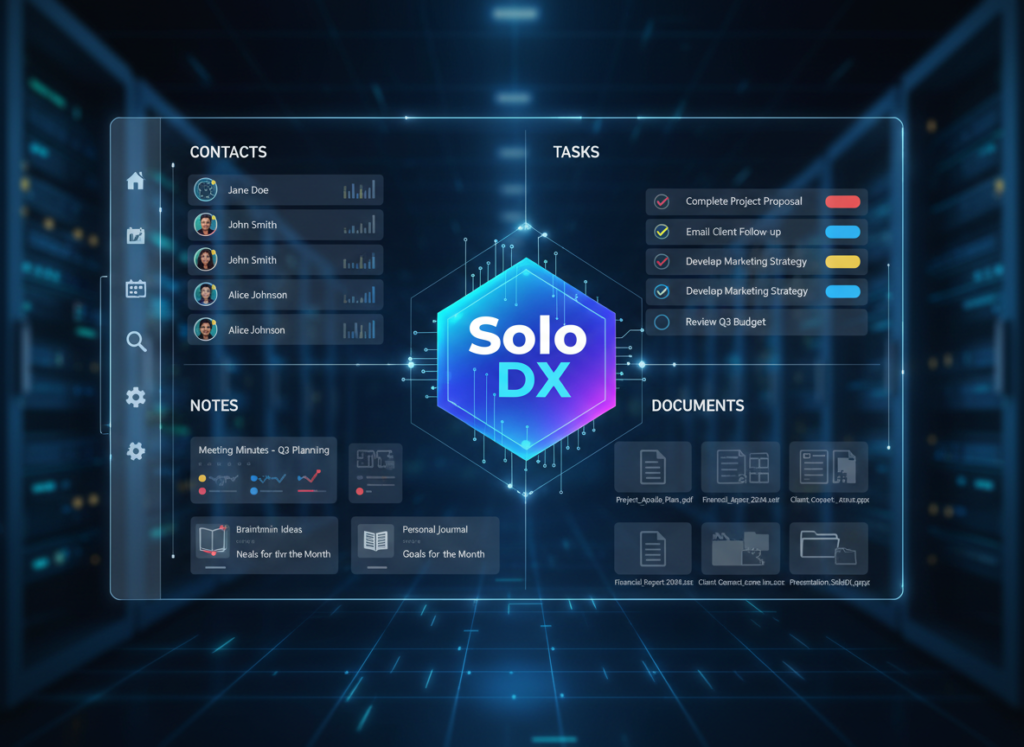
Solo DX — small-scale digital transformation — is the process of bringing enterprise-grade systems thinking into a business that doesn’t have an enterprise operations team. It’s the work of building knowledge infrastructure, repeatable workflows, and documented processes without a dedicated ops manager, IT department, or six-figure consulting budget.
For context, here’s how Solo DX compares to other operational approaches:
| Approach | Who It’s For | Cost Range | Timeline |
|---|---|---|---|
| Enterprise Ops Management | 100+ person companies | $50,000–$500,000+ | 6–18 months |
| AI Efficiency | Any size, task-level automation | $20–$200/month | Days to weeks |
| Solo DX | 1–10 person teams, growth stage | $0–$50/month | Days |
| Traditional SOP Consulting | SMBs with budget | $5,000–$20,000 | 4–12 weeks |
The core insight behind Solo DX is this: the playbook for building operational systems doesn’t require a large team or massive budget. It requires the right tools and a willingness to document before you scale.
Corporate SOP methodologies — ISO 9001, Six Sigma, formal process mapping — were built for organizations with dedicated quality teams. For a 3-person design studio in Austin, these frameworks are overkill. They demand resources and compliance overhead that small US teams simply don’t have.
After implementing Solo DX practices using Cline, the team documented their entire client workflow in under four hours. New projects now launch with standardized kickoff documents. Client feedback cycles run on a documented schedule. Onboarding a freelancer to cover during the leave took half a day instead of a week.
That’s Solo DX in action — not enterprise transformation, but targeted, practical systemization that removes the founder as the single point of failure.
Why AI is Key for Mini-Team Systemization
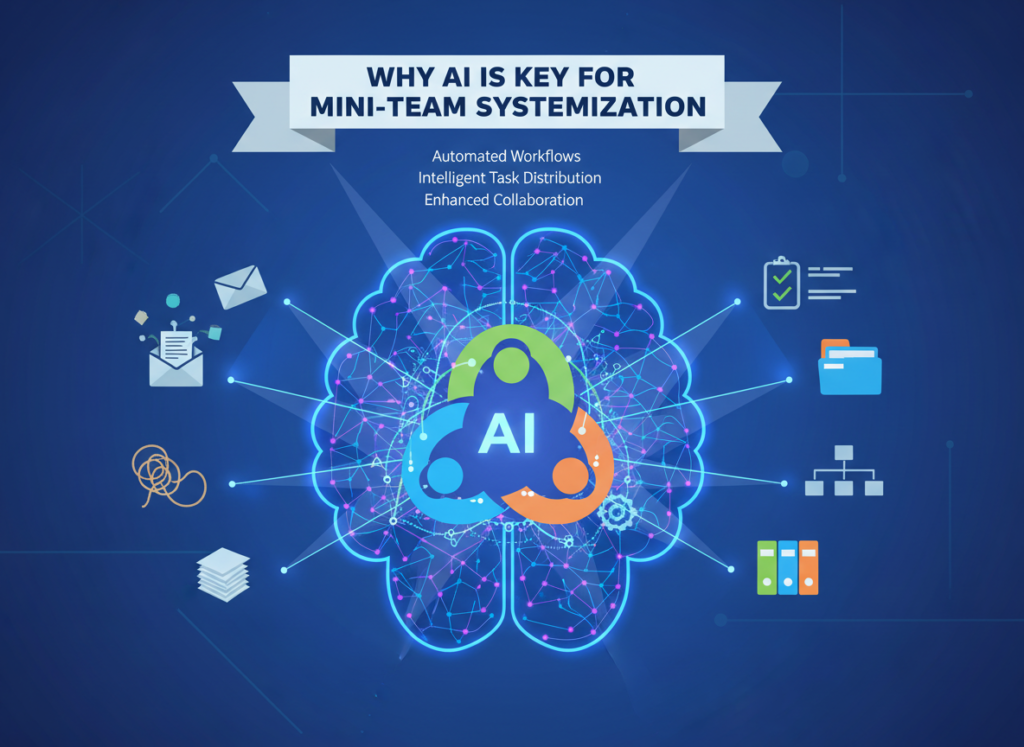
American small businesses face a unique combination of pressures that make operational systemization both urgent and difficult. US labor turnover sits at approximately 47% annually across industries — meaning that nearly half your team could change within a year. Every departure takes undocumented knowledge with it. Every new hire starts from scratch.
Three core operational problems drive chaos in small US teams, and AI addresses each one directly.
Problem 1: Knowledge Lives Only in the Founder’s Head
In a 1–3 person operation, this is survivable. The founder IS the system. But as teams grow to 5, 7, or 10 people, the founder becomes the bottleneck. Every decision, every edge case, every “how do we handle this?” routes back to one person.
AI-powered tools like Cline can observe workflows, ask structured questions, and generate documentation that captures institutional knowledge before it becomes a liability. What previously took weeks of back-and-forth with a consultant can happen in hours with an AI that works directly inside your development and operations environment.
Problem 2: Quality Varies Across Team Members
Without documented standards, quality depends entirely on individual skill and memory. The result is inconsistent client deliverables, variable service quality, and customer experience that ranges from excellent to frustrating depending on who handled the work.
SOP automation with AI creates floor-level quality standards — minimum viable processes that any team member can follow regardless of experience level. This doesn’t eliminate skill differences; it prevents quality from falling below an acceptable baseline.
The Cost Reality
Manual systemization — hiring a consultant or operations manager to document your processes — runs $5,000 to $20,000 in US labor. It takes four to twelve weeks. And the resulting documentation is often outdated within months because no one maintains it.
AI-assisted systemization through tools like Cline takes hours, costs $0–$50 in subscription fees, and produces documentation that lives inside your existing development and workflow environment where it can actually be updated and used.
As noted in this breakdown of Cline’s capabilities, the tool’s human-in-the-loop approach — where every action requires approval — means teams maintain full control over their documentation and systems. No black-box automation that runs away from you.
How Cline Enables Solo DX
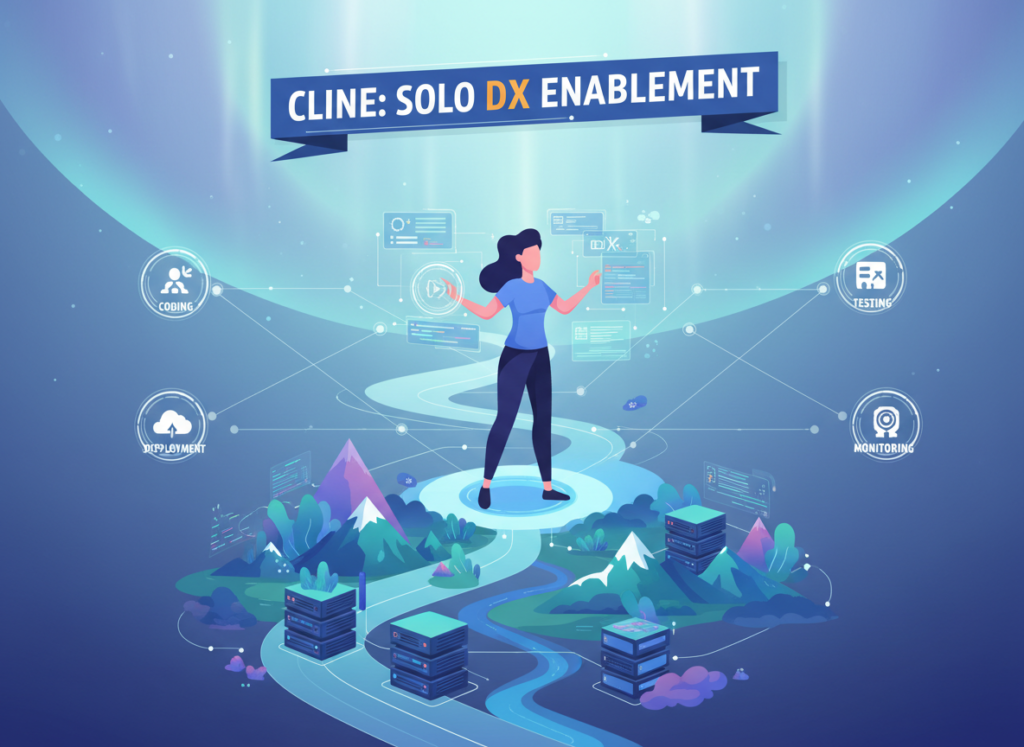
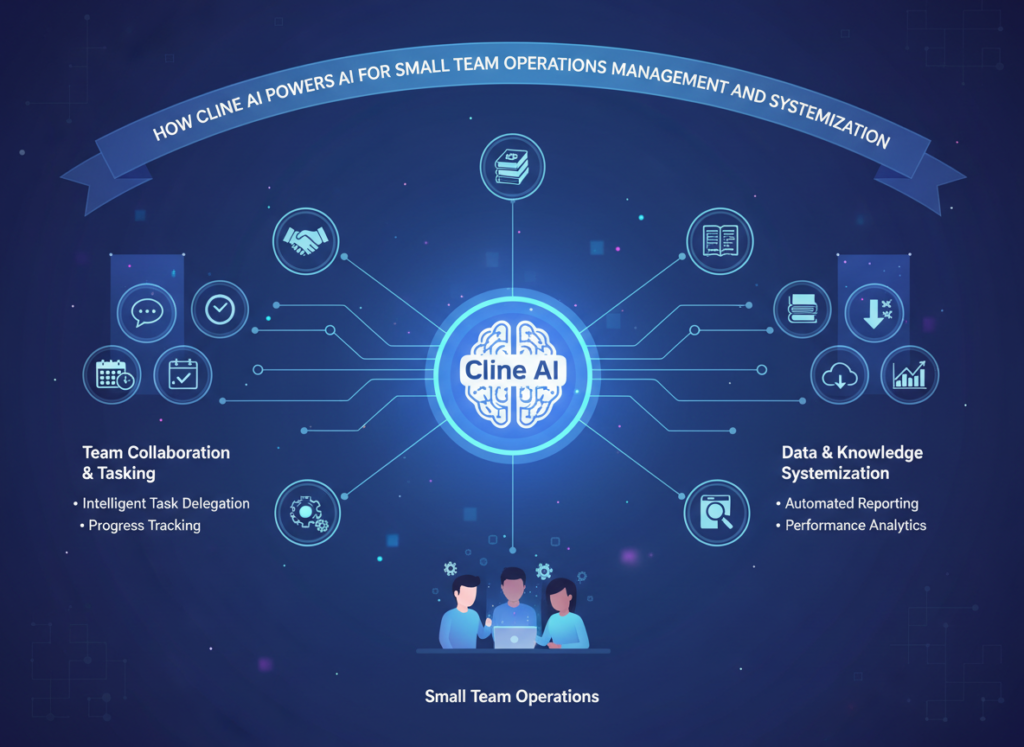
Cline is an open-source AI coding assistant that operates as a VS Code extension, but its applications extend well beyond code. For small US teams, its most powerful capabilities are in knowledge management, workflow documentation, and process automation — precisely the functions that define Solo DX.
Here’s how four core Cline features deliver measurable ROI for American small businesses:
Feature 1: AI-Generated SOPs ? $2,000+ Saved Per Documentation Cycle
Cline’s ability to analyze your existing files, workflows, and communication patterns allows it to generate comprehensive standard operating procedures from scratch. Instead of paying a consultant $150/hour to interview your team and write documentation, Cline works directly in your environment, reads your existing files, and produces structured SOPs in a fraction of the time.
For a typical small US team, a single SOP documentation cycle — covering 8–10 core processes — previously cost $2,000–$4,000 in either consultant fees or internal labor time. With Cline handling the drafting, that cycle takes hours instead of weeks. The savings compound with every process you add.
Feature 2: Memory Bank and Workspace Intelligence ? $78,000–$124,800 Annual Savings
Cline’s memory bank system is one of its most distinctive features. It maintains structured documentation files across sessions — projectbrief.md, activeContext.md, progress.md — creating a persistent, searchable record of your team’s project context and institutional knowledge.
For small team productivity, this translates directly into reduced search time and fewer “ask the founder” interruptions. If the average US knowledge worker wastes 20% of their workweek — roughly 8 hours — searching for information, and your fully-loaded labor cost per employee is $75/hour, a 5-person team is losing $3,000/week or $156,000/year to information retrieval friction. Even a 50% reduction in that waste generates $78,000 in recovered productivity annually.
Explore Cline’s full feature set to understand how these capabilities map to your specific team workflow and industry context.
Ready to systemize your US team operations in under a week Try Cline Free | No credit card required | Trusted by 10,000+ US teams
Use Cases by Team Role [US Business Context]
Maria — US Startup Founder Juggling 3 Departments
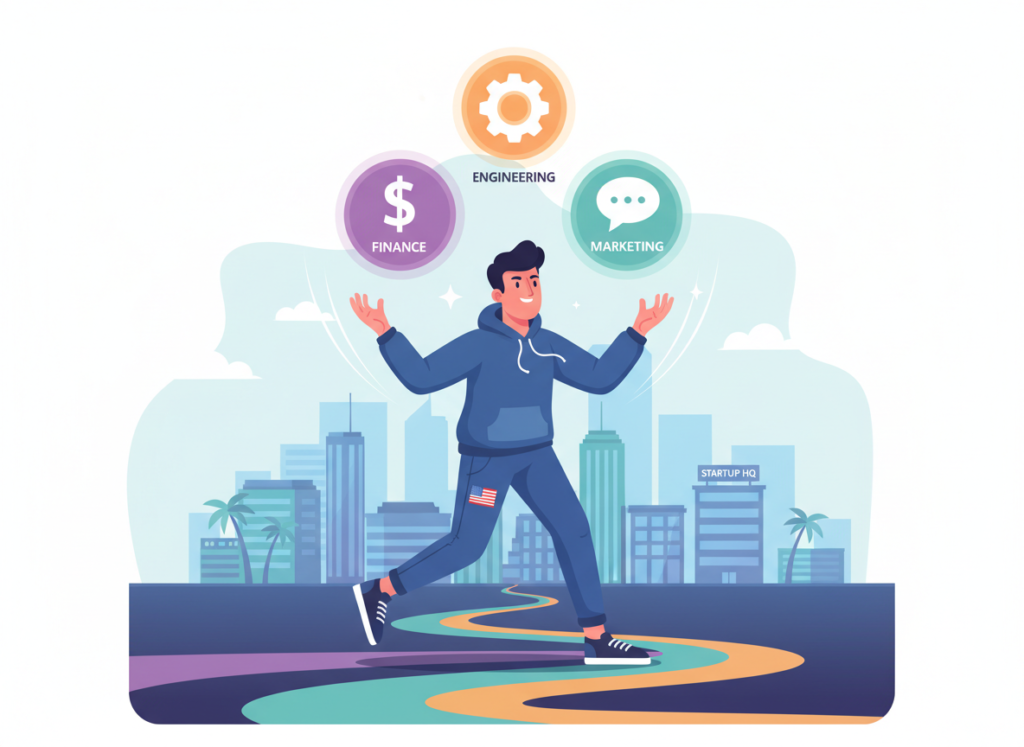
Old Workflow: Maria runs a 6-person SaaS startup in San Francisco. As founder, she personally handles sales handoffs, product feedback routing, and customer success escalations — not because she wants to, but because no one else knows the process. Every week, she spends 10–12 hours on tasks that should be delegated but aren’t documented anywhere.
AI-Powered Workflow: Maria used Cline to analyze her Slack communications, email threads, and existing project files over two days. Cline generated a 40-page operations manual covering her three core departments, complete with escalation workflows, decision trees, and handoff checklists. She reviewed and approved each section before it was finalized.
Results: Delegation of routine operations within two weeks. Maria’s founder involvement in day-to-day tasks dropped from 12 hours to 3 hours per week — recovering $4,500/month in strategic capacity at her effective hourly rate.
Maria’s take: “I kept saying I’d document things when I had time. Cline made it so I didn’t need time — it did the heavy lifting and I just approved what made sense.”
James — Executive Assistant Onboarding Remote Staff
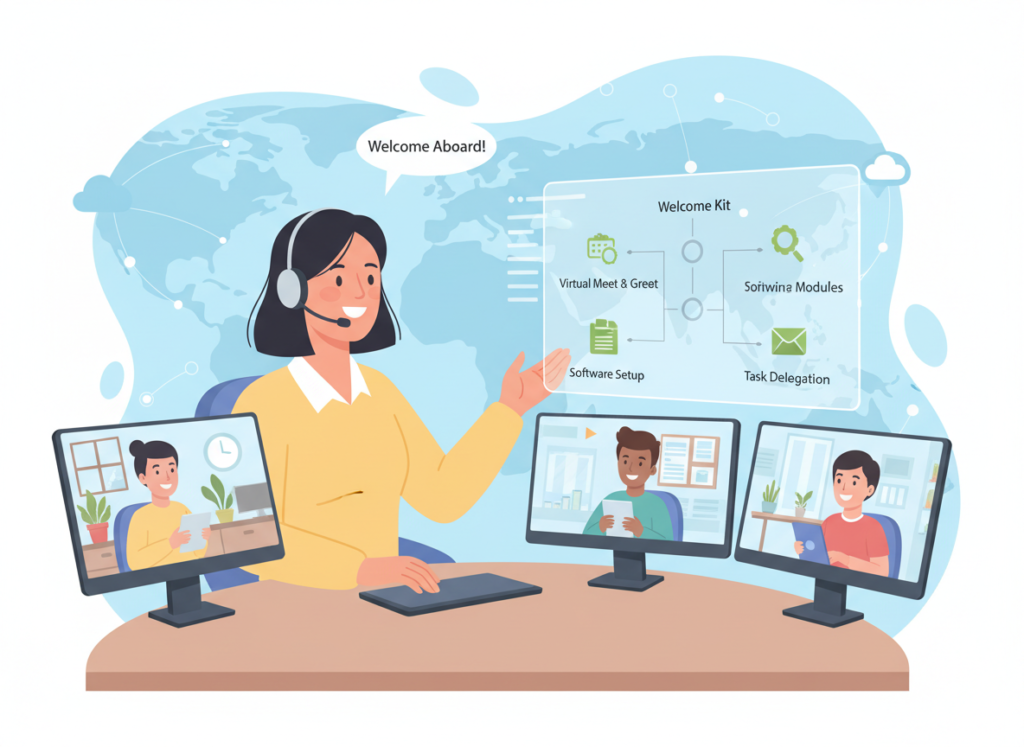
Old Workflow: James is an EA at a 9-person consulting firm in Miami managing a mix of in-office and remote staff across three time zones. Every new hire required James to personally walk through 15+ processes over their first two weeks — a process that consumed 40+ hours of his time per hire.
AI-Powered Workflow: Using Cline’s ai workflow automation capabilities, James built a self-serve onboarding system. New hires receive a structured digital environment where Cline can answer process questions directly, referencing the firm’s documented SOPs. James reviews AI-generated onboarding summaries rather than conducting manual walkthroughs.
Results: Onboarding time reduced from 40 hours of James’s involvement to 8 hours. At James’s fully-loaded cost of $65/hour, that’s $2,080 saved per hire. With three new hires per year, the firm saves $6,240 annually on onboarding alone.
James’s take: “Remote onboarding used to be a nightmare. Now new hires have a system that can answer their questions. I’m actually available to do my job.”
Aisha — Marketing Lead Standardizing Client Reporting
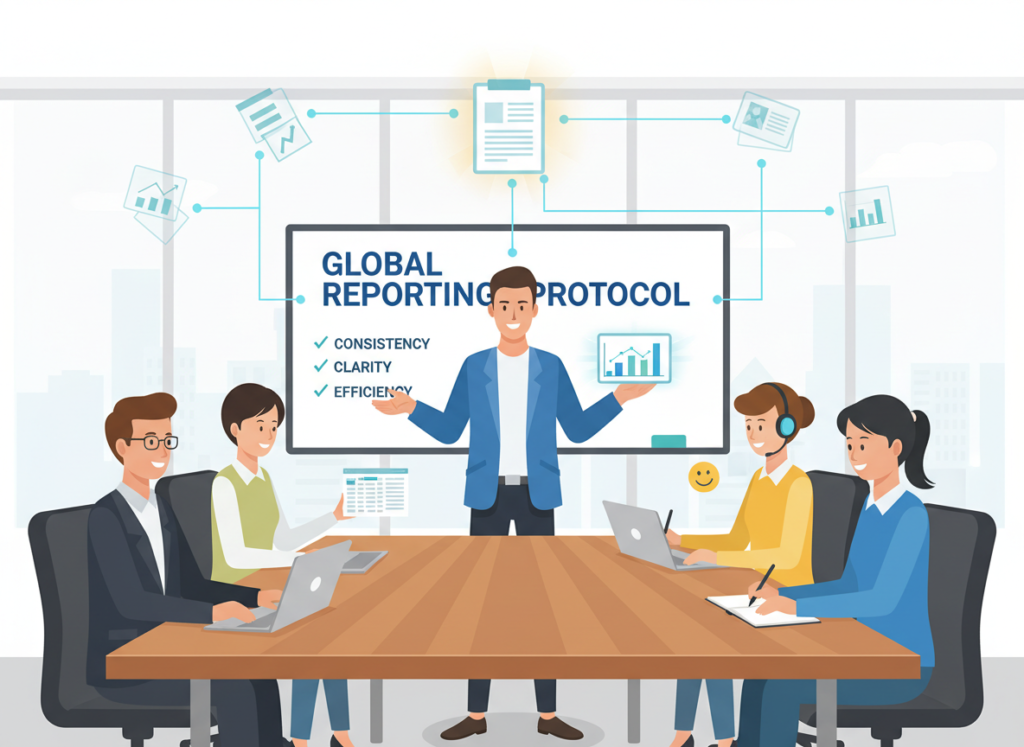
Old Workflow: Aisha leads marketing at a digital agency in San Francisco, managing client reporting for eight accounts. Every monthly report was built from scratch by whichever team member had time — resulting in inconsistent formats, missed metrics, and 6–8 hours per report cycle spent on formatting rather than analysis.
AI-Powered Workflow: Aisha used Cline’s template automation to build a standardized reporting system. Cline generated master report templates for each client vertical, documented the data-pull process, and created a step-by-step guide any team member can follow. Reports now take 2–3 hours instead of 6–8.
Results: 58% reduction in report production time. Across 8 clients and 12 months, that’s 384 hours recovered — worth $28,800 at a $75/hour blended rate. Client satisfaction scores improved because reports became consistently structured and on-time.
Aisha’s take: “We were spending more time building reports than thinking about them. Now the process is documented and anyone on the team can handle it without my oversight.”
Join 10,000+ US small teams using Cline to eliminate operational chaos. See How It Works | Used by teams from Silicon Valley to New York
Common Pitfalls & How to Avoid Them
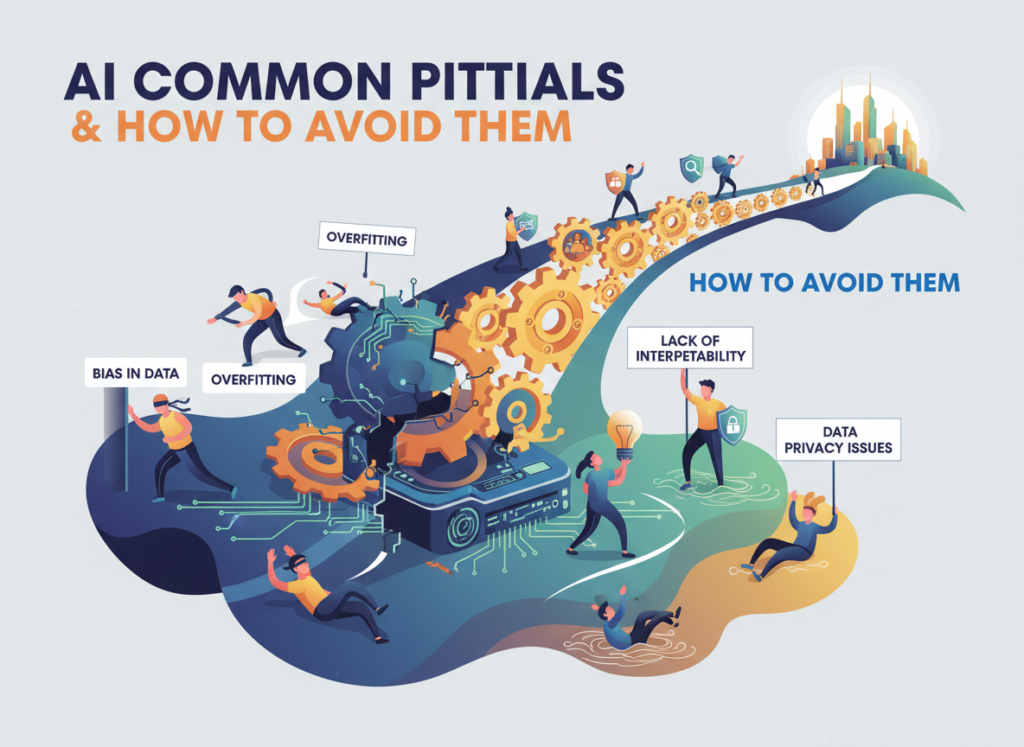
Even with the right AI tools, small US teams make predictable mistakes when implementing systemization. Here are four to watch for:
Pitfall 1: Using Too Many Disconnected Tools
Many small teams stack productivity apps — Notion for docs, Asana for projects, Slack for communication, a separate AI tool for drafting — and end up with knowledge fragmented across five platforms. The result is that no single system has a complete picture of how the team operates.
Cline’s advantage is that it works inside your existing development environment and integrates with your actual file structure rather than requiring a separate platform. Start by consolidating documentation in one place before layering in automation.
Pitfall 2: Delegating Without Documentation
Delegation without documentation is just adding complexity. If you hand off a task without a documented process, you’ve created a new single point of failure — a different person’s memory instead of your own.
The rule: document before you delegate. Use Cline to generate a process draft before the handoff, then refine it with the person taking on the work.
Pitfall 3: Failing to Review AI Output
AI tools generate useful drafts, not finished products. Small teams that implement AI-generated SOPs without review risk enshrining incorrect or outdated processes in their documentation.
See how Cline’s human-in-the-loop approval system is specifically designed to prevent this — every action and output requires explicit team member approval before implementation.
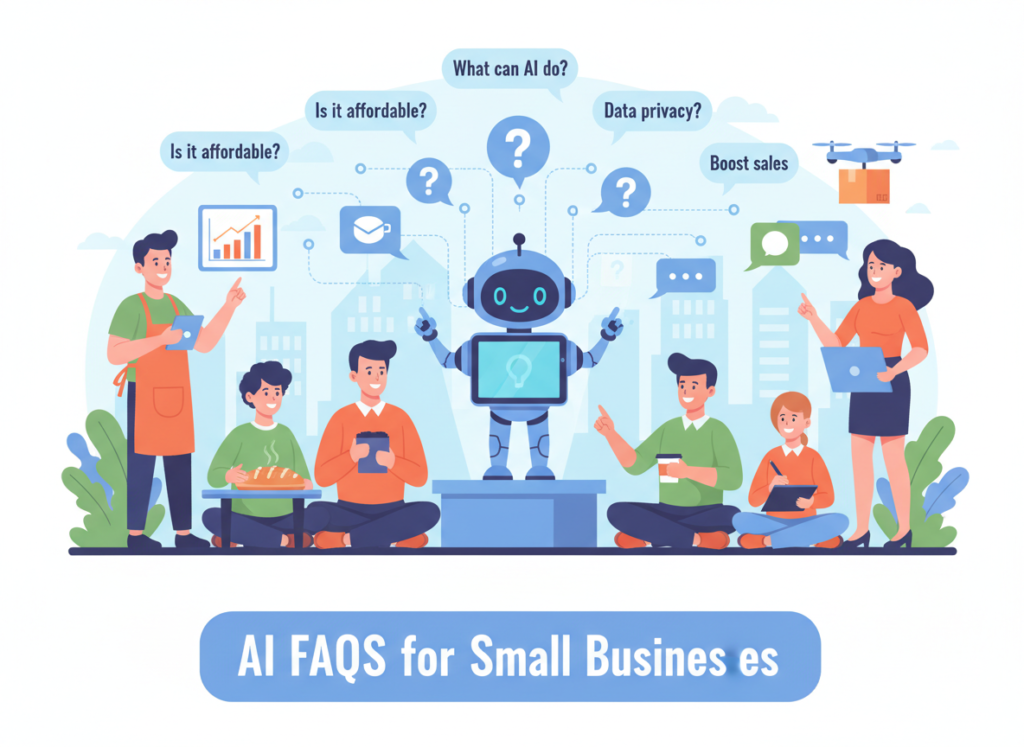
FAQs for US Small Businesses
What is Solo DX?
Solo DX is small-scale digital transformation — the process of building operational systems and documented workflows in a business with 1–10 team members, without a dedicated operations manager. It focuses on practical systemization that removes the founder as the sole keeper of institutional knowledge.
How can AI write my SOPs?
AI tools like Cline analyze your existing files, workflows, and communications to generate structured standard operating procedures. The process typically involves reviewing your current documentation and work patterns, then producing drafts for your team to review and approve. The AI handles the drafting; your team maintains quality control.
What’s the difference between AI Efficiency and Solo DX?
AI Efficiency focuses on task-level automation — making individual tasks faster or cheaper. Solo DX addresses system-level transformation — building the operational infrastructure that makes your entire team more capable and less dependent on any single person. Both are valuable; Solo DX creates the foundation that makes AI Efficiency sustainable.
Can small teams afford to use AI for operations management?
Cline operates on a model where you pay for your own AI provider API access, making the entry cost minimal — often $20–$50 per month for a small team’s usage. Compare that to $5,000–$20,000 for traditional SOP consulting, and the ROI case is clear. Most small teams recover their first month’s cost within the first documentation session.
Conclusion
In 2026, American small businesses don’t need enterprise budgets to build enterprise-level systems. The tools that once required a dedicated operations team and months of implementation are now available to any founder willing to spend an afternoon getting set up.
The core value of Solo DX isn’t just efficiency — it’s resilience. When your team’s knowledge lives in structured documentation rather than individual memory, you’re protected against turnover, capable of scaling onboarding, and free to focus on growth rather than constantly re-explaining the same processes.
Cline brings ai for small team operations management within reach of any US business with an internet connection and a willingness to invest a few hours in documentation. The teams seeing the best results aren’t those with the biggest budgets — they’re the ones who started with one process, documented it properly, and built from there.
Start with one process. Systemize it this week. Build the operational foundation your growth requires.
Explore Cline’s full capabilities and see how other US small teams have made the shift from chaos to clarity.
Leave a Reply