AI agent traffic is already sending buyers to your competitors — and most small business owners have no idea it’s happening.
In 2026, American contractors, freelancers, and solo entrepreneurs face a new kind of invisible problem. The phone calls used to come in steadily. Google was working. Referrals were flowing. Then something shifted — and the pipeline slowed without explanation.
Here’s what most small business owners don’t know: over 30% of web traffic now comes not from human visitors, but from AI agents — crawlers working on behalf of ChatGPT, Perplexity, Claude, and Google’s AI Mode — scouring the internet to answer buyer questions. When someone asks an AI chatbot “who’s the best independent contractor for kitchen remodels in Denver?” or “what’s the top-rated freelance web developer in Austin?” — the answer depends entirely on whether AI agents can find, read, and cite your site. If your website is invisible to these agents, you’re invisible to the buyers they’re feeding answers to.
This is the efficiency problem no one is talking about: US contractors and freelancers billing at $75–$200/hour are spending hours each month reworking websites, second-guessing content strategy, and chasing leads through channels that are declining — all while a measurable, automatable solution exists. For solo entrepreneurs, every hour spent guessing is $75–$200 not earned.
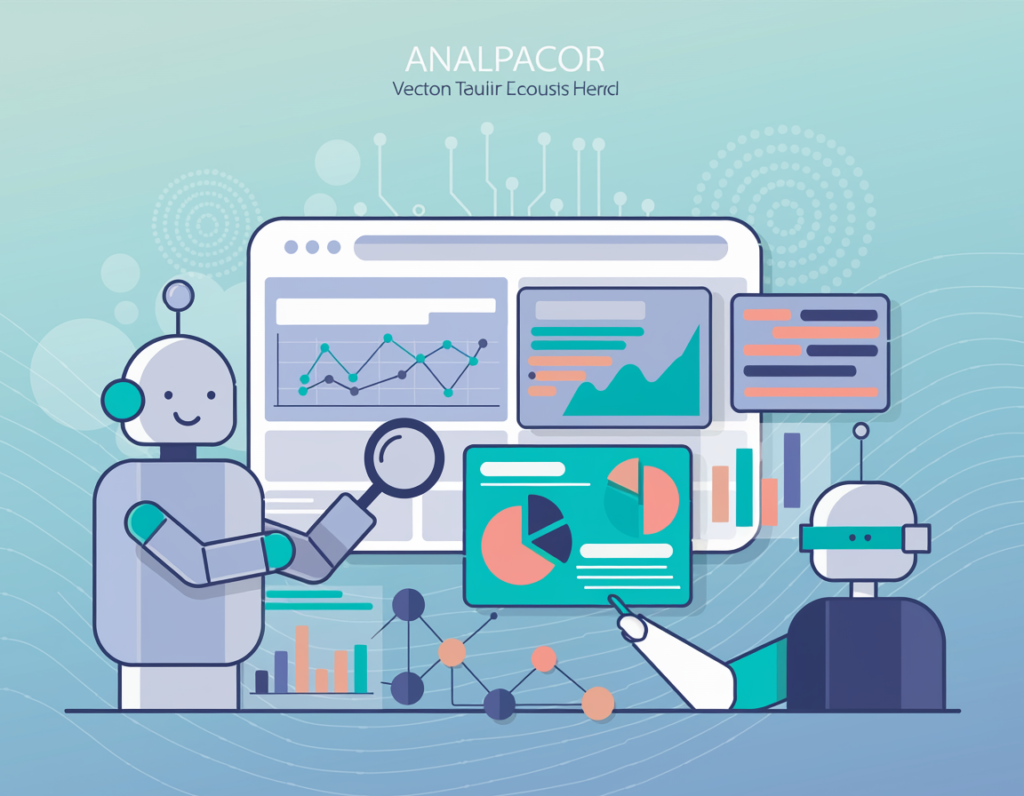
Siteline is the analytics layer purpose-built for this new reality. It reads your actual server data — not simulated guesses — to show which AI agents are visiting your site, which pages they’re fetching, where they get stuck, and how those visits convert into real human clients. Think of it as Google Analytics for the AI era: a workflow efficiency tool that eliminates hours of manual diagnosis and hands you an actionable roadmap instead.
This article breaks down four specific workflows contractors and small business owners can implement this week using Siteline — each designed to save 2–5 hours of wasted effort and redirect that time toward billable work.
Try Siteline free and get your first AI visibility insights in minutes. Get Started Free | No credit card required
Key Concepts of AI Visibility for Small Businesses
Concept 1: The AI Referral Chain
Most small business owners think of website traffic in terms of two channels: organic search (Google) and direct traffic (word of mouth, repeat clients). In 2026, a third channel has quietly become significant: AI-referred traffic.
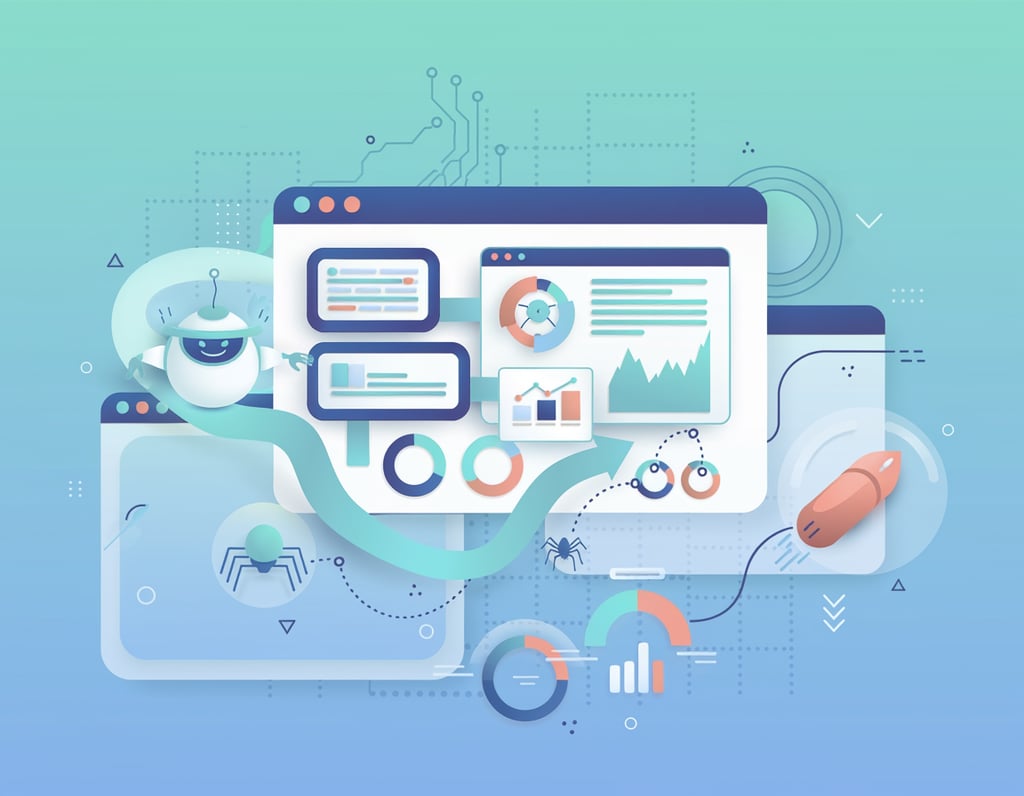
Here’s how it works. A potential client opens ChatGPT or Perplexity and asks a question like “best HVAC contractor in Phoenix” or “top freelance UX designer for SaaS.” The AI chatbot has crawled thousands of websites in advance. It surfaces recommendations based on what AI agents were able to successfully read and understand from those sites. If your site was inaccessible, poorly structured, or blocking AI crawlers, you don’t get cited — period.
For a contractor like Marcus, an independent electrical contractor based in Dallas, this realization cost him four months of slow business before he diagnosed it. Once he audited his AI visibility and found that ChatGPT agents were fetching his homepage but hitting a JavaScript wall on his services pages, he fixed the issue in a weekend. His AI-referred inbound inquiries tripled within six weeks. That four-month diagnosis period — roughly 12 hours of frustrated guesswork — represents $900–$2,400 in lost billable time. A tool that automates this diagnosis directly protects revenue.
For a deeper look at how these analytics work in practice, explore Siteline in detail.
Concept 2: Context Switching Cost in Diagnosis Work
Research consistently shows that the average person takes 23 minutes to fully refocus after an interruption. For contractors and freelancers, diagnostic work — figuring out why traffic dropped, which content isn’t performing, what to fix — creates constant context switching between their client work and their own business maintenance.
The hidden cost isn’t just the hours spent on diagnosis. It’s the cumulative attention tax: every time you pull yourself out of a client project to check analytics, investigate a traffic dip, or read a blog post about “why your website isn’t ranking,” you’re paying a cognitive toll that stretches a 30-minute task into a two-hour productivity crater.
Solo consultant Priya, who runs a 1-person HR advisory practice in Chicago billing at $125/hour, estimated she spent six fragmented hours per month trying to interpret her website analytics and troubleshoot content performance. That’s not six contiguous hours — it’s twelve 30-minute interruptions across the month, each costing an additional 23-minute refocus window. Her real cost: closer to nine effective hours lost, or $1,125/month in opportunity cost. Automation doesn’t just save the diagnostic hours — it eliminates the interruption tax.
Concept 3: Workflow Orchestration — Diagnosis to Action
The difference between an efficient business and an overwhelmed one is rarely effort. It’s whether the business has systems that translate raw data into prioritized actions without requiring the owner to be the interpreter.
Standard analytics tools like Google Analytics show you traffic numbers. They don’t tell you that an OpenAI crawler fetched your homepage 300 times last month but never successfully loaded your services page due to a Cloudflare configuration blocking non-browser user agents. They don’t tell you that a competitor is being cited 4x more often than you in Perplexity answers for your core service keywords. And they certainly don’t hand you a prioritized fix list ranked by business impact.
This is where AI visibility tools function as workflow orchestrators for small businesses — not just data collectors, but diagnosis-to-action pipelines that reduce the cognitive overhead of owning a business website in the AI era.
How Siteline Helps Efficiency

Feature 1: Real Server-Side Agent Analytics
Unlike prompt simulation tools that guess how AI might perceive your brand, Siteline reads your actual server logs through integrations with Cloudflare, Vercel, AWS CloudFront, WordPress, and Next.js. You see every AI agent that visits your site — OpenAI, Claude, Perplexity, Gemini, Meta AI — the exact pages they fetch, visit frequency, and where they drop off.
Efficiency ROI: Contractors spending 3 hours/month manually reviewing analytics to diagnose traffic issues eliminate most of that work. Annual time saved: 36 hours = $2,700–$7,200 at $75–$200/hour.
Feature 2: Tailored Recommendations Engine
After analyzing your AI agent traffic patterns, Siteline surfaces specific, prioritized content and technical recommendations — not generic “write better content” advice, but items like “Competitors like [X] have 84% visibility on [query]. Creating a comparison guide on this topic would capture searchers researching your category.”
This is the feature that most directly replaces hours of competitive research. Instead of manually querying AI tools to see where you’re cited, monitoring competitor content calendars, and interpreting SEO data, you get a ranked action list with evidence attached.
Efficiency ROI: Replacing 4 hours/month of competitive research with a curated, evidence-backed recommendations feed. Annual time saved: 48 hours = $3,600–$9,600.
To see these features in action with detailed workflow examples, see our full Siteline review.
Feature 3: AI Visibility Tracking
Siteline tracks your brand’s visibility across AI platforms — ChatGPT, Perplexity, Google AI Mode, Gemini — for the queries that matter to your business. You can see your visibility percentage, how it’s trending, and how it compares to competitors, without having to manually run test queries across multiple AI platforms.
For contractors in competitive local markets, this means knowing whether ChatGPT recommends you for your core service queries — without manually testing prompts each week.
Efficiency ROI: Eliminating 1–2 hours/week of manual AI platform monitoring. Annual time saved: 52–104 hours = $3,900–$20,800.
Feature 4: Citation Monitoring
AI chatbots cite sources when they make recommendations. Siteline shows you exactly which platforms and pages AI chatbots reference when answering questions about your brand or category — Reddit, TechCrunch, G2, Wikipedia, and others. This tells you where to focus your off-site content and reputation-building efforts, rather than guessing.
Efficiency ROI: Replacing 2 hours/month of manual citation research. Annual time saved: 24 hours = $1,800–$4,800.
Combined annual efficiency gain: 160–216 hours = $12,000–$43,200 in recovered billable time.
Ready to see which AI agents are visiting your site — and what they’re missing? Try Siteline free and get your first AI visibility insights in minutes. Get Started Free | No credit card required
Best Practices for Implementing AI Visibility Tools
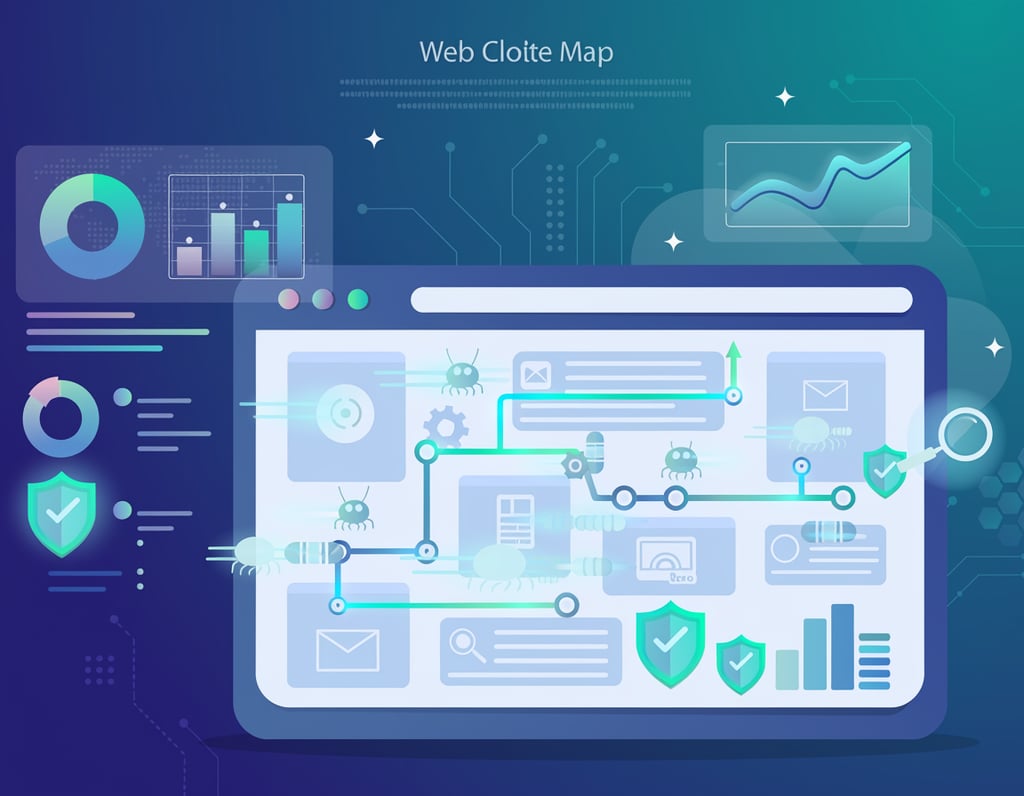
Start with the Technical Audit, Not the Content The most common mistake contractors and freelancers make is assuming their AI visibility problem is a content problem. Often it’s technical: a Cloudflare rule blocking non-browser agents, JavaScript rendering issues that hide key pages, or missing structured files like llms.txt or agents.json. Siteline’s scan surfaces technical blockers immediately. Fix those first before writing a single new article — otherwise you’re adding content that AI agents still can’t read.
Focus on One AI Platform at a Time Different AI platforms use different agents and weight different signals. ChatGPT, Perplexity, and Google AI Mode each have their own crawler behavior. Start by identifying which platform drives the most traffic in your category, then optimize for that one first. Siteline breaks down visits by platform, making this prioritization straightforward rather than a guessing game.
Use Recommendations as a Content Calendar The Siteline recommendations engine generates prioritized, evidence-backed content suggestions. Treat this as your content calendar. Instead of brainstorming blog topics or copying what competitors post, you have a data-driven list of what AI platforms need to see from your category. As this guide to AI crawler optimization explains, the sites that win AI referrals are those that make content deliberately accessible to agents — not just humans. A freelancer spending 4 hours/month on random content can redirect that to 2 hours/month executing targeted recommendations and see measurably better results.
Track Visibility, Not Just Traffic Standard analytics show you how many visitors came to your site. AI visibility metrics show you whether AI platforms are recommending you in the first place. Make AI visibility percentage for your core service keywords a monthly metric alongside traditional traffic. If visibility is growing, referrals will follow. If it’s flat or declining, you have an early warning signal — not a mystery.
Limitations and Considerations
Where Siteline Has Clear Limits Siteline diagnoses how AI agents interact with your website — it cannot control what AI platforms say about you in responses, influence editorial decisions made by platforms like ChatGPT or Perplexity, or guarantee citation frequency. If your service quality, reviews, or reputation are weak, no analytics tool resolves that upstream problem.
The Technical Minimum Threshold Siteline requires integration with your web infrastructure — Cloudflare, Vercel, AWS, WordPress, or via HTTP API. For contractors running very basic website setups (Squarespace, Wix, or similar), integration options may be limited. Check Siteline’s documentation for current supported platforms before committing.
AI Platform Behavior Changes Frequently The AI agent ecosystem is evolving rapidly. The crawling behavior of ChatGPT, Perplexity, and Google AI Mode in 2026 may look significantly different in 2027. A visibility strategy optimized today may require adjustment as platforms change their agent behavior and citation logic. Treat AI visibility work as an ongoing process, not a one-time fix.
Privacy and Data Handling Siteline reads server-side log data, which means it sees the same information your web server already logs — IP addresses, user agents, page requests. Review Siteline’s privacy policy and terms for details on data retention and handling, particularly if your site handles sensitive client information.
Over-Reliance Risk As with any analytics tool, there’s a risk of optimizing for the metrics Siteline tracks at the expense of things that don’t show up in dashboards — client relationship quality, referral network health, and reputation in human communities. AI visibility is one growth channel, not the only one. Use it to augment your existing business development, not replace it entirely.
Frequently Asked Questions
What is AI visibility for small businesses?
AI visibility refers to how easily AI agents — the bots that power ChatGPT, Perplexity, Google AI Mode, and similar platforms — can find, read, and cite your website when answering buyer questions. High AI visibility means you’re more likely to be recommended by AI chatbots to potential clients. Low visibility means you may be invisible to an increasingly significant source of buyer referrals, regardless of how well your site performs in traditional Google search.
Can AI analytics tools replace traditional SEO for contractors?
No — and you shouldn’t try to make them. Traditional SEO (Google rankings, backlinks, meta optimization) and AI visibility optimization address different channels. A site can rank on page one of Google and still be completely invisible to AI agents due to technical configuration issues. Think of AI visibility as a complementary layer, not a replacement. The most efficient approach maintains both.
How do freelancers use AI visibility tools to save time?
The primary efficiency gain comes from replacing manual, fragmented diagnosis work with automated, prioritized insights. Instead of spending hours reviewing multiple analytics dashboards, testing AI platforms manually, reading SEO blogs for guidance, and guessing at content strategy, a freelancer uses Siteline’s dashboard for 30–60 minutes per month and gets a ranked list of specific, evidence-backed actions. The time savings come from eliminating guesswork and context switching, not from automating the actual implementation work.
Conclusion
In 2026, the question facing contractors and solo entrepreneurs isn’t whether AI agents are shaping buyer decisions — they are, measurably, at scale. The question is whether your business benefits from that shift or remains invisible to it.
Siteline brings data-driven efficiency to AI visibility the way Google Analytics brought it to web traffic a decade ago. For US contractors billing at $75–$200/hour, the ROI is direct: every hour spent on manual diagnosis or guessing at content strategy is $75–$200 not earned. The annual value of replacing that work with an automated, prioritized action system ranges from $12,000 to $43,000+ depending on your billing rate.
AI won’t replace the quality work you do for clients — but it’s already reshaping how clients find you. Contractors who treat AI visibility as a measurable channel, not a mystery, will have a meaningful lead-generation advantage for years ahead.
The question isn’t “Should I pay attention to AI visibility?” It’s “Can I afford to keep ignoring it while competitors optimize for it?”
Try Siteline free and get your first AI visibility insights in minutes. Get Started Free | No credit card required
Leave a Reply