Turn any text into realistic voiceovers in minutes.
What is Murf.ai?
Murf.ai is developed by an experienced team specializing in AI voice technology, headquartered in Singapore with a global operational presence. The platform utilizes a sophisticated text-to-speech engine built on deep learning models, trained on extensive proprietary voice datasets to generate highly natural and expressive synthetic speech. Its key capabilities include a vast library of over 120 AI voices in 20+ languages, fine-grained control over vocal parameters like pitch and speed, and a built-in video editor that allows users to create voiceovers synchronized with visual media. This makes it a practical tool for a wide range of professional users, including marketers, educators, product developers, and content creators, who require high-quality voiceovers for explainer videos, e-learning modules, advertisements, and presentations. By integrating directly into content creation workflows, Murf.ai significantly reduces production time and costs associated with traditional voice recording, while offering scalability and consistency. For teams comparing similar tools, a review of alternative voice generation platforms is available at https://ai-plaza.io/ai/synthesia. Further technical details on the company’s development can be referenced in credible industry reports, such as those from Gartner.
Key Findings
Voice Cloning: Creates realistic synthetic voices from short samples for personalized audio content instantly.
Text Editing: Allows direct word level adjustments within the script synchronized perfectly with generated speech.
Voice Changer: Modifies your recorded voice into different professional styles and accents with high quality output.
AI Voiceover: Generates natural sounding narrations for videos presentations and e learning from text input.
Voice API: Provides developers scalable tools to integrate lifelike speech synthesis into any application seamlessly.
Team Collaboration: Enables shared projects and centralized voice assets for cohesive branding across all departments.
Custom Voices: Builds unique branded vocal identities tailored specifically to your company’s tone and requirements.
Studio Quality: Delivers professional broadcast ready audio without needing expensive recording equipment or sound booths.
Multilingual Support: Offers a wide selection of natural voices across numerous languages and regional accents available.
Integration Hub: Connects easily with major platforms like Canva and Google Slides for streamlined content creation.
Turn audio and video into text, edit it like a doc, and create new media.
What is Descript?
Descript is developed by an experienced team of technologists and creators, including founder Andrew Mason, previously of Detour and Groupon. The platform’s core AI technology leverages a combination of proprietary models and established architectures for audio processing. A key technical component is its use of transcript-based editing, where audio and video are manipulated through their text transcripts, powered by automatic speech recognition (ASR). Key features include Overdub, which allows users to synthesize speech to fix mistakes, and Studio Sound, an AI tool that cleans up audio quality. It is targeted at content creators, marketers, podcasters, and businesses, streamlining the production of podcasts, videos, and social media content. Its business impact is significant, as it integrates directly into creative workflows, drastically reducing editing time and technical barriers. For teams exploring similar AI-powered media tools, a comparison can be made with solutions like https://ai-plaza.io/ai/murf. According to a review by TechCrunch, Descript is noted for its innovative approach to making multimedia editing as simple as word processing.
Key Findings
Video Editing: Transforms spoken words into polished videos with automatic captions and seamless editing.
Audio Repair: Removes filler words and background noise to create crystal clear professional recordings.
Screen Recording: Captures your screen and webcam simultaneously for creating engaging tutorials and presentations.
Podcast Production: Edits audio conversations by simply editing text, making podcast creation fast and intuitive.
Overdub Voice: Generates realistic synthetic voice clones to fix mistakes or create content without rerecording.
Team Collaboration: Allows multiple editors to work on the same project in real time together.
Text-Based Editing: Lets you edit audio and video by cutting, copying, and pasting words visually.
Filler Word Removal: Automatically detects and deletes ums and ahs to tighten up any spoken audio.
Automatic Transcription: Converts speech to accurate text quickly for easy editing, captioning, and content repurposing.
Templates Library: Provides pre-designed video and audio templates to kickstart projects and ensure brand consistency.
Turn meetings into notes, summaries, and action items instantly.
What is Otter AI?
Otter AI is developed by Otter.ai, a company founded in 2016 by Sam Liang, previously of Google Maps. The team specializes in leveraging artificial intelligence to transform spoken language into accessible, actionable text. The core of Otter’s technology is a proprietary, end-to-end automatic speech recognition (ASR) system, continuously trained on diverse audio data to improve accuracy in real-time transcription and speaker identification. Its key features include live transcription, automated meeting summaries, action item extraction, and seamless integration with tools like Zoom and Microsoft Teams. This makes it particularly valuable for professionals such as students, journalists, and business teams who require accurate records of lectures, interviews, and meetings. By automatically generating and organizing searchable notes, Otter AI significantly reduces administrative overhead and enhances meeting accountability, directly integrating into and streamlining collaborative workflows. For teams considering similar tools, a comparison of capabilities can be found at https://ai-plaza.io/ai/fireflies. A 2021 analysis by Stanford’s HAI institute underscores the growing reliance on such AI-powered assistants to augment human productivity in knowledge work sectors.
Key Findings
Voice Notes: Transforms spoken conversations into accurate, searchable text notes instantly and reliably.
Meeting Transcription: Records and transcribes meetings in real-time with high accuracy across multiple speakers.
Live Captions: Provides instant, real-time captions for virtual meetings to enhance accessibility and understanding.
Speaker Identification: Automatically identifies and labels different speakers within a conversation for clear reference.
Keyword Highlights: Automatically detects and highlights key discussion points and action items from transcripts.
Team Collaboration: Allows teams to share, comment, and edit transcripts together in a centralized hub.
Platform Integration: Seamlessly connects with popular video conferencing and productivity tools like Zoom and Teams.
Searchable History: Creates a fully searchable archive of all your meeting notes and conversation transcripts.
Custom Vocabulary: Learns and adapts to your industry’s specific terminology for improved transcription accuracy.
Security Compliance: Ensures enterprise-grade data security and compliance with major regulatory standards and protocols.
Who is it for?
Sales Representative
Client discovery calls
Follow-up email drafting
Team handoff coordination
Sales training material
Quarterly review preparation
Project Manager
Weekly sync meetings
Stakeholder interview synthesis
Risk log updates
Retrospective documentation
Vendor contract discussions
Educator
Lecture recording
Student consultation notes
Research interview analysis
Department meeting minutes
Online course content creation
Pricing
Basic @ Free
300 monthly transcription minutes
30 minutes maximum per conversation
3 lifetime audio/video file imports per user
AI Chat within and across meetings
AI meeting workflows
Live transcription
Speaker identification
Audio recording playback
Multi-language support
iOS and Android apps
Pro @ $8.33/user/month (billed annually)
Everything in Basic, plus
1200 in-app recording minutes
Up to 90 minutes per meeting
10 monthly audio/video file imports
Advanced AI workflows
Advanced meeting templates
Unlimited storage
Team vocabulary & taggable speakers
Advanced search, export & playback
Zapier integration
Max monthly queries for Otter AI Chat: 50 per user
Pro @ $16.99/user/month (billed monthly)
Everything in Basic, plus
1200 in-app recording minutes
Up to 90 minutes per meeting
10 monthly audio/video file imports
Advanced AI workflows
Advanced meeting templates
Unlimited storage
Team vocabulary & taggable speakers
Advanced search, export & playback
Zapier integration
Max monthly queries for Otter AI Chat: 50 per user
Business @ $19.99/user/month (billed annually)
Everything in Pro, plus
Unlimited meetings + in-app recordings
Custom AI workflows
Unlimited audio/video file imports
Up to 4 hours per meeting
Enhanced admin features: activity logs, usage analytics, and more
Join 3 concurrent meetings
Prioritized support
Max monthly queries for Otter AI Chat: 200 per user
Business @ $30/user/month (billed monthly)
Everything in Pro, plus
Unlimited meetings + in-app recordings
Custom AI workflows
Unlimited audio/video file imports
Up to 4 hours per meeting
Enhanced admin features: activity logs, usage analytics, and more
Join 3 concurrent meetings
Prioritized support
Max monthly queries for Otter AI Chat: 200 per user
AI meeting assistant that records, transcribes, and summarizes your conversations.
What is Fireflies?
Fireflies is developed by a company of the same name, founded by Krish Ramineni and Sam Udotong. The team focuses on creating AI solutions that enhance meeting productivity and accessibility. The platform’s technical architecture leverages a combination of Automatic Speech Recognition (ASR) and Natural Language Processing (NLP) to transcribe and analyze conversations from numerous video conferencing platforms and audio files. Its key capabilities include generating searchable, shareable transcripts, identifying action items and questions, and creating automated meeting summaries. The tool is targeted at sales teams, project managers, recruiters, and other professionals who conduct frequent meetings, aiming to free them from note-taking duties. By integrating directly into workflows via connections with tools like Slack, Salesforce, and Notion, Fireflies impacts business efficiency by ensuring decisions and tasks are captured and actionable, reducing administrative overhead. For a similar tool focused on note-taking, visit https://ai-plaza.io/ai/otter-ai. According to a Business Insider analysis, the adoption of such AI meeting assistants is becoming a standard practice for improving operational efficiency across industries.
Key Findings
Meeting Transcription: Accurately captures and transcribes every word from your virtual meetings in real-time.
Conversation Intelligence: Analyzes discussion patterns to highlight key decisions and action items automatically.
Voice Search: Lets you quickly find specific moments and topics from past meetings using keywords.
Team Collaboration: Enables seamless sharing of notes and transcripts with your entire team instantly.
Speaker Identification: Distinguishes between different participants, labeling each speaker correctly throughout the conversation.
Integration Hub: Connects directly with popular tools like Slack, Salesforce, and Google Drive effortlessly.
Task Automation: Creates and assigns action items directly from meeting conversations to streamline follow-ups.
Analytics Dashboard: Provides insights into meeting metrics, including talk time and participation trends, visually.
Security Compliance: Ensures all your recorded data meets enterprise-grade security and privacy standards reliably.
Mobile Accessibility: Allows you to review, search, and share meeting notes from any device anywhere.
Transform any voice recording into studio-quality audio instantly.
What is Adobe Podcast AI?
Adobe Podcast AI is developed by Adobe Inc., leveraging the company’s extensive experience in creative software and digital media. The tool is built upon Adobe’s proprietary Sensei AI platform, which utilizes advanced machine learning models for audio processing, specifically trained on vast datasets of speech and noise profiles. Its core capabilities include an Enhance feature that dramatically improves vocal clarity by removing background noise and reverb, and a Mic Check function that analyzes recording equipment to optimize setup. It is designed for content creators, podcasters, and marketers who require professional-grade audio without studio resources. By integrating seamlessly into standard recording workflows via a web platform, it significantly reduces post-production time and technical barriers. This allows professionals to focus on content creation rather than audio engineering, streamlining the production of clear, engaging audio assets. For creators exploring complementary tools, options for AI-generated voiceovers are available at https://ai-plaza.io/ai/voiceover-generator. Further technical insights into Adobe’s AI research can be found through Adobe’s official research publications.
Key Findings
Voice Enhancement: Polishes raw audio to studio quality by removing background noise and echoes instantly.
Audio Repair: Fixes common recording issues like clipping, distortion, and hums with a single click.
Podcast Creation: Generates complete podcast episodes from a text script, adding music and professional narration.
Text Editing: Edits spoken audio by editing the transcript, automatically re-rendering the cleaned-up audio file.
Guest Integration: Seamlessly merges remote guest recordings to sound like everyone is in the same studio.
Microphone Enhancement: Makes any microphone sound professional by enhancing vocal clarity and richness in real-time.
Content Repurposing: Transforms long podcast episodes into short, shareable clips optimized for social media platforms.
Studio Sound: Creates a consistent, broadcast-quality sound profile across all your episodes and team members.
Workflow Integration: Connects directly with Adobe Creative Cloud for a streamlined production and publishing pipeline.
Accessibility Features: Automatically generates accurate transcripts and subtitles to make your content universally accessible.
Who is it for?
Content Creator
Script narration cleanup
Enhancing guest interview audio
Creating consistent vocal tone
Quick podcast trailer production
Revising old recorded content
Marketing Manager
Polishing webinar recordings
Producing clear ad reads
Standardizing team voice messages
Refining conference presentation audio
Creating crisp social media audio
Educator
Improving online lecture clarity
Making accessible audio materials
Producing clear course trailers
Cleaning up student podcast projects
Recording clean audio feedback
Pricing
Free plan @ $0
Enhance audio only, no video support
Max file size 500 MB, max duration 30 minutes
Max 1 hour of enhanced speech per day
Download projects up to 30 minutes, 2 projects per day
Clone any voice instantly for realistic AI speech and singing.
What is Voicemy.ai?
Voicemy.ai is a product developed by a team specializing in voice synthesis and artificial intelligence, dedicated to creating accessible voice cloning and text-to-speech technology. The platform utilizes advanced deep learning models, likely based on neural network architectures similar to Tacotron and WaveNet, which analyze and synthesize human speech patterns to generate highly realistic vocal outputs. Its key capabilities include creating custom AI voices from short audio samples, offering a library of pre-made voices, and providing tools for voiceovers in multiple languages. This makes it particularly useful for content creators, marketers, and businesses seeking to produce audiobooks, video narrations, or dynamic customer service responses. By integrating into content creation workflows, Voicemy.ai can significantly reduce production time and costs while maintaining vocal consistency. For organizations evaluating similar tools, a comparison of voice synthesis platforms is available at https://ai-plaza.io/ai/voice-cloning. Further technical insights into the neural networks powering such systems can be found in research papers archived on arXiv, a credible repository for scientific work.
Key Findings
Voice Cloning: Replicate any voice with high fidelity for personalized and authentic audio experiences instantly.
Content Creation: Generate diverse audio content from text for marketing, training, and entertainment purposes quickly.
Realistic Synthesis: Produce natural sounding speech that captures human emotion and subtle vocal nuances perfectly.
Instant Conversion: Transform written scripts into ready to use spoken audio files in mere seconds.
Brand Voice: Maintain consistent sonic identity across all projects with a customized and unique vocal model.
Multilingual Support: Create engaging audio in numerous languages to connect with a global audience effectively.
API Access: Integrate powerful voice synthesis directly into your own applications and services seamlessly.
Commercial Rights: Use generated audio freely for business projects, advertisements, and monetized content without restrictions.
Easy Customization: Tailor voice outputs by adjusting pitch, speed, and emphasis for the perfect result.
Cost Efficiency: Scale audio production affordably, eliminating the need for expensive recording studios and sessions.
Clone your voice to dub videos instantly in any language.
What is CloneDub?
CloneDub is a specialized AI tool developed by a team focused on audio and video localization technology. The platform utilizes advanced AI models, including proprietary neural networks for speech synthesis and automatic speech recognition (ASR), to achieve high-quality voice cloning and dubbing. Its core capabilities allow users to generate realistic voiceovers in multiple languages from a single audio sample, while preserving the original speaker’s emotional tone and timbre. Key features include a text-to-speech engine, a library of pre-cloned voices, and support for lip-syncing in videos. This makes it particularly valuable for content creators, e-learning developers, and businesses seeking to localize marketing or training materials efficiently. By integrating directly into media production workflows, CloneDub significantly reduces the time and cost associated with traditional dubbing, enabling rapid scaling of multilingual content. For organizations evaluating similar tools, a comparison of voice synthesis options is available at https://ai-plaza.io/ai/voice-synthesis. A technical overview of the voice cloning field is provided in a 2023 paper from Cornell University’s arXiv, “On the Ethics of Building AI Voice Cloning Models” (arXiv:2305.18182), which discusses the underlying technologies and considerations.
Key Findings
Voice Cloning: Creates realistic digital voice replicas from minimal audio samples quickly and securely.
Multi Language: Translates and dubs content into dozens of languages using original speaker voice tones.
Batch Processing: Handles large volumes of audio files simultaneously for efficient project scaling and management.
Content Localization: Adapts media for global audiences by seamlessly integrating translated dialogue into original video.
Studio Quality: Delivers professional grade audio output that matches broadcast standards for clear playback.
Rapid Turnaround: Generates completed dubbed projects in minutes not days accelerating your content distribution cycle.
Easy Integration: Connects with popular editing platforms and CMS via simple API for streamlined workflows.
Cost Efficiency: Reduces traditional dubbing expenses by over eighty percent while maintaining high quality results.
Speaker Preservation: Maintains the unique emotional cadence and identity of the original speaker every time.
Secure Handling: Ensures all uploaded audio and project data remains encrypted and private by default.
Turn your data into actionable insights with AI, directly in Airtable.
What is Airtable AI?
Airtable AI is developed by Airtable, a San Francisco-based company founded in 2012 by Howie Liu, Andrew Ofstad, and Emmett Nicholas. The platform leverages a combination of proprietary systems and large language models (LLMs), including OpenAI’s technology, to power its AI features directly within its collaborative workspace environment. Key capabilities include AI field generation, which automates the creation of content like summaries and classifications from existing data, and the AI assistant that can answer natural language questions about a base’s information. It is designed for business teams across marketing, operations, and product management, enabling use cases such as synthesizing customer feedback, generating project briefs, and managing content calendars. The business impact centers on streamlining workflows by integrating AI actions into existing databases without requiring coding, thus reducing manual data entry and accelerating insight generation. For a comparison with similar no-code AI tools, visit https://ai-plaza.io/ai/n8n. According to a technical overview by Airtable, their AI is built to keep a company’s data private and is not used to train external models.
Key Findings
AI Integration: Seamlessly connects artificial intelligence tools with existing databases for enhanced functionality.
Data Organization: Automatically categorizes and structures information using advanced algorithms to improve accessibility and clarity.
Workflow Automation: Streamlines repetitive processes by intelligently automating tasks based on predefined rules and triggers.
Team Collaboration: Enables real-time data sharing and cooperative editing within a unified, secure platform environment.
Customizable Dashboards: Provides tailored visual interfaces to monitor key metrics and insights at a glance.
Predictive Analytics: Forecasts trends and outcomes by analyzing historical data patterns with machine learning models.
Natural Language: Allows users to query and manipulate database information using simple conversational commands.
Real-Time Updates: Synchronizes changes instantly across all user devices and integrated applications without delay.
Scalable Infrastructure: Supports business growth by handling increasing data volume and user requests effortlessly.
Security Compliance: Protects sensitive information with enterprise-grade encryption and adherence to major regulatory standards.
Nanonets is an AI-powered intelligent automation platform founded by Prathamesh Juvatkar and Sarthak Jain, with a team specializing in machine learning and business process optimization. The platform leverages advanced Optical Character Recognition (OCR) and proprietary deep learning models trained to extract, interpret, and validate data from a vast array of document types, including invoices, receipts, and contracts. Its core capabilities include automated data capture, workflow orchestration, and seamless integration with existing business systems like ERP, CRM, and accounting software via API. The platform primarily targets finance, operations, and logistics teams across industries, addressing use cases such as accounts payable automation, loan processing, and inventory management. By integrating directly into business workflows, Nanonets significantly reduces manual data entry, accelerates processing times from days to minutes, and improves data accuracy, leading to substantial operational cost savings and enhanced compliance. For a comparison with similar document processing tools, visit https://ai-plaza.io/ai/adobe-acrobat. A detailed analysis of the AI in document automation market can be found in a Forbes article discussing its growth and key players.
Key Findings
AI Automation: Streamlines complex business processes using intelligent workflow and document automation tools.
Data Extraction: Accurately pulls structured information from invoices receipts and forms with minimal manual effort.
Workflow Automation: Designs custom automated processes that connect your existing apps and eliminate manual steps.
Intelligent Capture: Reads and interprets documents using advanced OCR and machine learning for high accuracy.
Seamless Integration: Connects directly with popular business software like ERP CRM and accounting platforms effortlessly.
Custom Models: Trains AI models specifically on your documents and data for superior tailored performance.
RealTime Processing: Analyzes and extracts data from documents instantly enabling faster decisionmaking and reduced delays.
Scalable Solutions: Handles document volumes from hundreds to millions without compromising on speed or accuracy.
Compliance Ready: Built with security protocols and audit trails to meet industry standards and regulatory requirements.
Actionable Insights: Transforms raw document data into reports and analytics to drive informed business decisions forward.
Who is it for?
Accountant
Managing high volumes of invoices and receipts manually.
Automate invoice data entry
Process expense reports faster
Reconcile bank statements efficiently
Ensure audit compliance
Handle multi-currency transactions
Office Administrator
Drowning in paper documents and manual form processing.
Digitize employee onboarding forms
Organize contract management
Streamline mailroom operations
Process travel requests
Archive historical records
Logistics Coordinator
Dealing with inconsistent shipment documentation and manual tracking.
If you’ve grown your team from just yourself to five or ten people, you’ve probably noticed something unsettling: the chaos doesn’t decrease—it multiplies. What once took you fifteen minutes as a solo founder now requires three Slack threads, two approval rounds, and a design review that somehow produces three different brand interpretations. You’re not alone in this struggle, and 2026 has made it painfully clear that growing teams need more than talent—they need systems.
The challenge isn’t that your team lacks skill. It’s that visual knowledge lives in your head, design preferences exist as vague “you know what I mean” statements, and every new marketing campaign becomes a referendum on brand consistency. When you were solo, you could maintain quality through sheer personal involvement. Now, with multiple people creating graphics, presentations, and marketing materials, you’re drowning in revisions and off-brand content.
This is where Ideogram 3.0 enters as the best AI for image generation that actually understands team operations. Unlike traditional design tools that assume everyone shares the same aesthetic vision, Ideogram 3.0 helps small teams systemize their visual branding, build repeatable design workflows, and create consistent output without requiring a full-time creative director. It’s not about replacing designers—it’s about giving your growing team the structured visual systems they desperately need to operate smoothly.
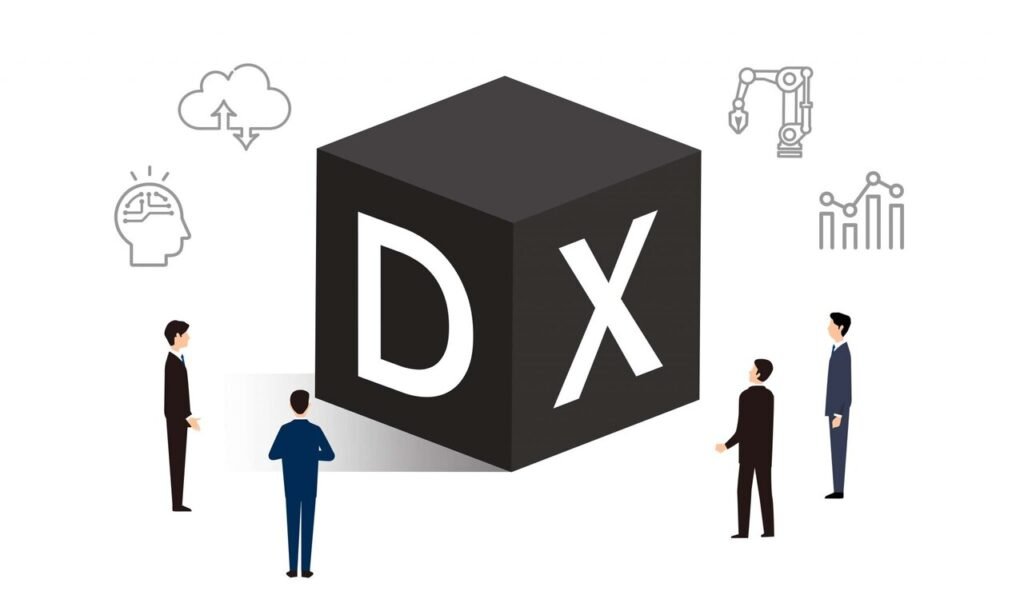
What is Solo DX?
Solo DX represents the critical transition phase that hits small business founders right after they’ve hired their first few team members. It’s the moment when you realize that the scrappy, improvisational approach that worked when you were solo now creates bottlenecks, inconsistencies, and operational chaos. Digital transformation at this scale isn’t about enterprise software or massive budgets—it’s about implementing lightweight systems that prevent your five-person team from feeling like fifteen confused individuals.
The distinction matters because Solo DX sits between two other AI categories. AI Efficiency focuses on personal productivity—helping individual founders write faster, research better, or automate their own tasks. AI Revenue Boost targets growth tactics like conversion optimization, sales automation, and customer acquisition. Solo DX addresses the messy middle: you’ve grown beyond solo work, but you’re not ready for complex enterprise systems. You need structure without bureaucracy.
cz that just landed their fifth client. Suddenly, the founder realizes that each team member interprets the client’s “modern but approachable” brand differently. One designer uses bold sans-serifs and neon accents. Another gravitates toward pastels and rounded shapes. The founder spends hours in revision cycles, trying to verbally explain a visual language that should be documented, systematized, and accessible to everyone. This is the core Solo DX problem: operational knowledge that exists only in the founder’s mind, creating dependency and inconsistency.
What separates Solo DX from general team management is the founder-led aspect. You don’t have an operations manager, a brand director, or a documentation specialist. You’re building systems while simultaneously running the business, serving clients, and managing people. The AI design tools for business teams that support Solo DX must therefore be intuitive enough for non-technical founders yet powerful enough to create genuine operational consistency.
A successful Solo DX implementation using Ideogram AI for marketing content might look like this: the founder spends one afternoon creating a visual brand system—documenting color palettes, typography preferences, image styles, and composition rules. From that point forward, team members can generate on-brand graphics for social media, client presentations, and website updates without constant founder oversight. The system, not the founder’s availability, ensures consistency.
Why AI is Key for Mini-Team Systemization
Small teams without documented Standard Operating Procedures suffer from a specific type of operational chaos that’s hard to see from the outside but devastating from within. Unlike large companies where role confusion means emailing the wrong department, in a five-person team it means the founder becomes the bottleneck for every decision, the quality of deliverables depends entirely on who’s working that day, and institutional knowledge evaporates the moment someone takes vacation.
Problem 1: Knowledge Lives Only in the Founder’s Head
When you’re managing a growing team, the most valuable asset isn’t your time—it’s your accumulated knowledge about how things should be done. You know that client presentations should always include a mood board on slide three. You understand that Instagram graphics need 20% more contrast than website images because of mobile viewing conditions. You’ve learned through trial and error that certain color combinations test better with your target audience. But none of this knowledge is documented, which means every team member either has to interrupt you constantly (“Should this be more blue or more teal?”) or make their best guess and hope for approval.
AI-powered visual branding tools solve this by transforming your implicit knowledge into explicit, reusable systems. Instead of explaining your aesthetic preferences fifteen times, you document them once using AI-generated style guides, reference libraries, and visual templates. Your team accesses this knowledge directly through the tool, reducing dependency on your constant availability.
Problem 2: New Hires Slow Down Operations
Every new team member represents a potential productivity boost—but first comes the productivity crater. Training someone on your visual standards traditionally means shadowing, feedback cycles, and weeks of subpar output while they learn your preferences. In a small team, you can’t afford dedicated training time, so new hires learn reactively: create something, get it rejected, try again. This is exhausting for everyone and expensive in terms of wasted effort.
Automated graphic design workflow systems change this dynamic entirely. When a new designer joins your team, they don’t start from zero. They begin with access to your complete visual library: approved color palettes, brand-compliant templates, successful past projects, and AI-generated variations that demonstrate your quality standards. Their first outputs aren’t wild guesses—they’re informed by the system you’ve already built. Training time drops from weeks to days because the AI tools encode your standards directly into the workflow.
Problem 3: Quality Varies Across Team Members
Perhaps the most frustrating aspect of small team operations is inconsistent output quality. Your most experienced team member produces gorgeous, on-brand work. Your newest hire creates adequate but generic designs. Everyone in between lands somewhere on that spectrum. The result? Clients receive inconsistent quality depending on who handled their project. Your brand identity becomes mushy because five people interpret “professional yet approachable” in five different ways.
AI doesn’t eliminate individual skill differences, but it raises the floor dramatically. When your entire team uses Ideogram 3.0 with shared brand parameters, style references, and quality benchmarks built into the system, even junior team members produce work that meets your minimum standards. The AI isn’t doing the creative thinking—it’s enforcing the visual grammar you’ve established, the way a spell-checker doesn’t write your sentences but ensures they don’t contain obvious errors.
This systemization also protects your business from expertise concentration. If your best designer quits, you don’t lose all institutional knowledge about what “good” looks like. The AI-powered visual branding tools have captured and codified that expertise, making it accessible to whoever takes over the role.
The deeper insight here is that small teams fail not from lack of talent but from lack of systems. Your people are capable—they just need structured guidance about what “right” looks like in your specific context. AI for team operations provides that structure without requiring you to hire a full-time operations manager or brand director.
How Ideogram 3.0 Enables Solo DX
Brand Memory System: Creating Visual Consistency Across Projects
Ideogram 3.0’s most powerful Solo DX feature is its ability to learn and remember your brand identity across all projects. Unlike traditional design tools where every new project starts from a blank canvas, Ideogram maintains a persistent understanding of your visual language—color palettes, typography preferences, composition styles, and even subtle aesthetic choices like whether your brand uses high contrast or muted tones.
Here’s how it works in practice: You begin by feeding Ideogram 3.0 examples of your approved brand materials—your best social media graphics, successful client presentations, effective marketing assets. The AI analyzes these examples and extracts the underlying visual patterns: “This brand uses sans-serif headlines with serif body text, favors asymmetric layouts with bold color blocks, and maintains 30% white space in compositions.” From that analysis, the system creates a reusable brand profile.
The business benefit is immediate and substantial. When any team member creates new visual content—whether it’s an Instagram post, a client proposal, or a website header—they’re working within your established brand parameters from the start. The AI doesn’t guess what “on-brand” means; it knows. A five-person marketing team that previously needed three revision rounds per graphic can now achieve brand consistency on the first draft because the system enforces your visual standards automatically.
Real-world example: A boutique consulting firm with seven employees used Ideogram 3.0 to document their “executive minimalist” brand aesthetic. Within two weeks, their junior marketing coordinator was producing client pitch decks that matched the quality of their founder’s personal work—something that had previously taken six months of mentorship to achieve. As their operations lead noted, “We created our entire visual brand system in one afternoon. Now our team can’t create off-brand content even if they try.”
Most small teams waste hours recreating the same types of visual content from scratch: weekly social media posts, monthly client reports, event announcements, product update graphics. Every instance requires someone to open a design tool, set up the layout, adjust the formatting, and manually ensure brand consistency. This repetitive work consumes creative energy that should be spent on strategic thinking.
Ideogram 3.0’s template intelligence solves this through smart, adaptable templates that go far beyond static design files. You create a master template once—say, your standard client case study format—and the AI understands not just the visual layout but the logical structure. When a team member needs to create a new case study, they input the client name, project details, and key metrics. Ideogram automatically generates a branded design that adapts to the specific content: extending layouts for longer text, adjusting image positions based on aspect ratios, maintaining visual hierarchy regardless of content volume.
The business impact: A digital marketing agency reduced their client reporting time from four hours per client to thirty minutes. Their account managers, who had no design training, could generate professional monthly reports by simply entering performance data. The AI handled all visual formatting, brand compliance, and layout optimization. What previously required designer availability now happened on-demand, whenever the account manager had time.
Another example: An e-commerce brand with eight team members systemized their product launch workflow using Ideogram templates. Every new product launch required fourteen different graphics: hero images, social media announcements, email headers, and website banners. Pre-Ideogram, their designer needed two full days per launch. Post-implementation, any team member could trigger the entire suite in forty-five minutes by uploading product photos and key details. The designer shifted from production work to creative strategy—exactly what Solo DX should accomplish.
Prompt Library: Democratizing Design Quality Across Skill Levels
One of the biggest challenges in small team operations is the skill gap between your most experienced members and your newest hires. Traditional design tools amplify this gap—experienced users produce sophisticated work while beginners struggle with basic concepts. Ideogram 3.0’s prompt library inverts this dynamic by capturing expert knowledge and making it accessible to everyone.
The system works like this: When your senior designer creates excellent work, they can save not just the final output but the prompt structure that generated it. These prompts become reusable recipes that encode design expertise. Instead of telling a junior team member “create something modern and energetic,” you share a prompt like “vibrant gradient background, bold sans-serif typography, dynamic diagonal composition, high contrast” that reliably produces on-brand results.
Over time, your organization builds a library of proven prompts for different use cases: “professional LinkedIn headers,” “eye-catching Instagram stories,” “trustworthy client testimonial graphics,” “urgency-driven sale announcements.” New team members don’t need to understand design theory—they need to select the appropriate prompt for their context and customize the details.
Business benefit: A SaaS company with six marketing team members reduced their design revision cycles from an average of 3.2 rounds to 1.1 rounds within their first month using shared prompt libraries. The difference wasn’t that their team suddenly became better designers—it was that they stopped starting from scratch every time. As their marketing director explained, “Our prompt library is basically our design system in AI form. Everyone speaks the same visual language now.”
Small teams typically create content for multiple channels—social media, website, email, presentations, print materials—and each platform has different technical requirements. Instagram needs square images; LinkedIn prefers horizontal formats; presentations demand 16:9 ratios; email headers have strict height limitations. Managing these variations traditionally meant either creating everything multiple times or compromising quality by forcing inappropriate formats.
Ideogram 3.0 handles cross-platform adaptation intelligently. You create your core visual concept once, and the AI automatically generates platform-specific versions that maintain brand consistency while respecting each channel’s technical constraints. A single hero image becomes an Instagram post, a LinkedIn banner, an email header, and a presentation slide—each optimized for its context but clearly part of the same campaign.
The operational efficiency this creates is remarkable. A product launch that previously required your designer to create twelve different assets in four different aspect ratios now happens in one workflow. A team member uploads the base creative, selects which platforms need versions, and receives a complete asset package in minutes. No more “can you resize this for Twitter?” requests. No more quality loss from stretching or cropping existing images. The AI understands how to adapt compositions for different formats while preserving visual impact.
Practical example: A B2B consultancy preparing for a conference needed materials across seven different formats—booth graphics, handouts, presentation slides, social announcements, email invitations, website banners, and name badges. Their founder spent one hour designing the core visual theme in Ideogram 3.0, then generated all seven format variations automatically. What would have taken their part-time designer three days happened in an afternoon, with better cross-platform consistency than their previous manual approach.
Ready to systemize your visual operations? Try Ideogram 3.0 ? https://ideogram.ai/
Use Cases by Team Role
Founder Juggling Three Departments: From Bottleneck to System Builder
Meet Sarah, founder of a sustainable packaging startup with nine employees across design, sales, and operations. Six months ago, she personally reviewed every piece of visual content before it went public—pitch decks, product photography, trade show materials, social media posts. Her team couldn’t move forward without her approval because brand consistency literally depended on her eyeballs.
Old workflow: Design team creates mockup ? Slack Sarah for review ? wait (she’s in a client meeting) ? feedback arrives eight hours later ? revisions ? second review ? more waiting ? final approval. Average time per graphic: two days. Sarah’s time spent reviewing visuals: twelve hours weekly. Founder stress level: approaching burnout.
AI-powered version using Ideogram 3.0: Sarah spent one Saturday afternoon creating her brand system in Ideogram—uploading her best past work, defining her color theory (earthy but vibrant), establishing her composition preferences (organic shapes, generous white space, nature-inspired imagery), and documenting her typography standards (handwritten headlines for warmth, clean sans-serif for credibility). She then created template workflows for the team’s five most common design needs: product launch graphics, trade show materials, investor presentations, social content, and client proposals.
Now, her team generates on-brand visuals without waiting for her input. They select the appropriate template, input their specific content, and Ideogram produces outputs that already reflect Sarah’s aesthetic judgment. She reviews finished work for strategic alignment, not basic brand compliance. Time per graphic: same day. Sarah’s weekly review time: three hours. Her stress level: manageable, with mental space for actual strategy.
As Sarah puts it: “Ideogram didn’t make me less involved in our brand—it let me involve myself strategically instead of tactically. I’m not checking if someone used the right shade of green anymore. I’m thinking about whether our visual direction supports our market positioning.”
Trainer Documenting Internal Knowledge: From Tribal Wisdom to Institutional System
Marcus trains new employees for a regional real estate firm with fifteen agents. His challenge was capturing and transferring the visual knowledge that separated top-performing agents from struggling newcomers—not sales techniques, but the visual presentation skills that build client trust. Top agents instinctively knew how to present property listings, create compelling market analyses, and design neighborhood guides that resonated with buyers. New agents produced clunky, generic materials that screamed “rookie.”
Old workflow: Marcus shadows top agents ? takes notes on their design choices ? creates written guidelines (“use warm lighting in property photos,” “include neighborhood walkability scores”) ? new agents read guidelines ? still produce mediocre materials because written instructions don’t translate to visual execution ? Marcus provides individual coaching ? slow improvement over six months ? expensive knowledge transfer bottleneck.
AI-powered version: Marcus had top agents create their best property marketing materials directly in Ideogram 3.0, documenting not just final outputs but the prompts and workflows they used. “Luxury condo presentations” became a saved workflow that any new agent could replicate—same composition style, same data visualization approach, same emotional tone through imagery selection. “First-time homebuyer guides” became another reusable system encoding years of expertise about which visuals build confidence versus which create anxiety.
The knowledge transfer acceleration is profound. New agents now learn in weeks what previously took months because they’re not reading abstract guidelines—they’re using the actual systems that top performers created. They see immediate results (professional-quality materials from day one), which builds confidence and motivation. Marcus shifted from one-on-one coaching to system maintenance—updating workflows as market conditions change, adding new templates as the firm expands services, refining prompts based on performance data.
His perspective: “I used to lose sleep knowing that our best agents’ expertise lived only in their heads. If they left, that knowledge walked out the door. Now it’s captured in our Ideogram system. Our institutional knowledge actually accumulates instead of resetting with every hire. That’s the difference between a job and a profession.”
Common Pitfalls & How to Avoid Them
Pitfall 1: Using Too Many Disconnected Tools
The most common Solo DX mistake is treating AI adoption like a shopping spree—adding Ideogram for images, ChatGPT for copywriting, Canva for presentations, Notion for documentation, and five other tools that each solve specific problems but don’t talk to each other. Your team ends up with eight logins, conflicting brand assets across platforms, and no single source of truth about what “correct” looks like.
Solution: Build your AI stack around your central workflow, not around individual features. If visual content is your primary operational challenge, choose Ideogram 3.0 as your core system and integrate other tools around it rather than creating a disconnected ecosystem. Fewer tools used deeply beats many tools used shallowly. Establish one platform as your brand truth—where templates live, where standards are documented, where team members go first when they need to create visual content.
Pitfall 2: Delegating Without Documentation
Some founders treat AI tools as a delegation escape hatch—”Just use Ideogram to create the graphics, figure it out yourself”—without actually documenting their expectations, brand standards, or quality benchmarks. The AI can only work with the guidance you provide. If you haven’t defined what “professional” means in your context, the tool will generate generic professional-looking content that doesn’t reflect your specific brand identity.
Solution: Invest the upfront time to document your visual standards properly. Spend one focused afternoon creating your brand profile in Ideogram—your color theory, typography preferences, composition styles, imagery guidelines. This isn’t wasted time; it’s leverage. Every hour you spend documenting your standards saves your team dozens of hours in revision cycles and confusion. Think of it as creating an instruction manual that your AI tools can read and execute, freeing you from having to verbally explain the same preferences repeatedly.
FAQs
What is Solo DX?
Solo DX refers to digital transformation at the small team scale—specifically, the systems and workflows that founders need when they’ve grown beyond solo operations but aren’t ready for enterprise-level complexity. It addresses the chaotic middle phase where you have five to fifteen team members and need operational consistency without hiring operations specialists. Solo DX focuses on lightweight systemization: documenting workflows, creating repeatable processes, and ensuring quality doesn’t depend entirely on the founder’s personal involvement. For visual operations, Solo DX means building brand systems that let your entire team create consistent, professional content without requiring constant founder oversight.
How can AI write my SOPs?
AI doesn’t exactly “write” your Standard Operating Procedures—it helps you externalize and structure the knowledge that currently exists only in your head. With Ideogram 3.0, you demonstrate what “right” looks like by showing examples of your best work, and the AI extracts the underlying patterns, preferences, and standards. These become reusable systems—templates, workflows, and brand parameters—that your team can follow without needing to ask you for guidance every time. Think of it less as AI writing instructions and more as AI observing your expertise and making it accessible to others. You’re still the source of knowledge; the AI just helps you package it in a form that scales beyond your personal availability.
Is Ideogram 3.0 hard to set up?
Setup difficulty for Ideogram 3.0 depends less on technical complexity and more on organizational clarity. The software interface is straightforward—creating templates, saving prompts, and generating images requires no coding or design expertise. The harder part is the thinking work: defining what your brand actually is, identifying which visual workflows need systemization, and documenting your standards clearly enough for AI to replicate them. Most small teams can complete initial setup in one afternoon—uploading brand examples, creating core templates, establishing color palettes and typography preferences. The ongoing effort is minimal: refining templates based on team feedback, adding new workflows as needs emerge, updating brand parameters as your identity evolves. Think of it like setting up a filing system—the initial organization takes focused time, but maintaining it afterward is straightforward and saves you exponentially more time than it costs.
Conclusion
Small team operations fail not because founders lack ambition or team members lack talent, but because knowledge stays trapped in individual minds instead of living in accessible systems. When your visual brand exists only in your aesthetic judgment rather than in documented workflows, every team member becomes dependent on your availability, every new hire requires months of training, and quality becomes a dice roll based on who’s working that day. This is the core challenge that Solo DX addresses—and it’s why the best AI for image generation isn’t just about creating pretty pictures, but about systemizing the knowledge that makes those pictures consistently on-brand.
Ideogram 3.0 succeeds as a Solo DX tool precisely because it understands this system-building imperative. It doesn’t just generate images; it captures and replicates your visual standards across your entire team. It doesn’t just offer templates; it encodes your expertise into reusable workflows that work whether you’re personally available or not. The result is operational transformation that happens gradually, without requiring you to pause business operations for a massive implementation project.
The path forward isn’t adopting AI for its own sake—it’s recognizing that your growing team needs structure more than they need more hours from you. Start with your most repetitive visual workflows: those weekly social posts, monthly client reports, or standard presentation decks that consume hours but don’t require strategic thinking. Build those systems first in Ideogram 3.0. Let your team experience the relief of creating good work without constant oversight. Then expand gradually to more complex workflows as your confidence grows.
Solo DX isn’t just about saving time—it’s about creating a business that works without burning you out, a brand that maintains consistency without your constant vigilance, and a team that can execute your vision without depending on your perpetual availability. That’s not a luxury for growing businesses in 2026. It’s survival.
Next Steps
Ready to continue building operational systems for your growing team? Explore these resources:
Compare AI – Evaluate different AI tools for your specific business needs and find the right fit for your team size and industry
AI Efficiency – Discover how to optimize your personal productivity with AI before scaling to team-wide systems
AI Revenue Boost – Learn how AI can drive growth once your operations are systemized and ready to scale
AI Workflows – Access ready-to-implement workflow templates across marketing, sales, operations, and creative functions
Each category addresses different stages of your business evolution. Start where your biggest pain point lives today, then expand as your needs and capabilities grow.